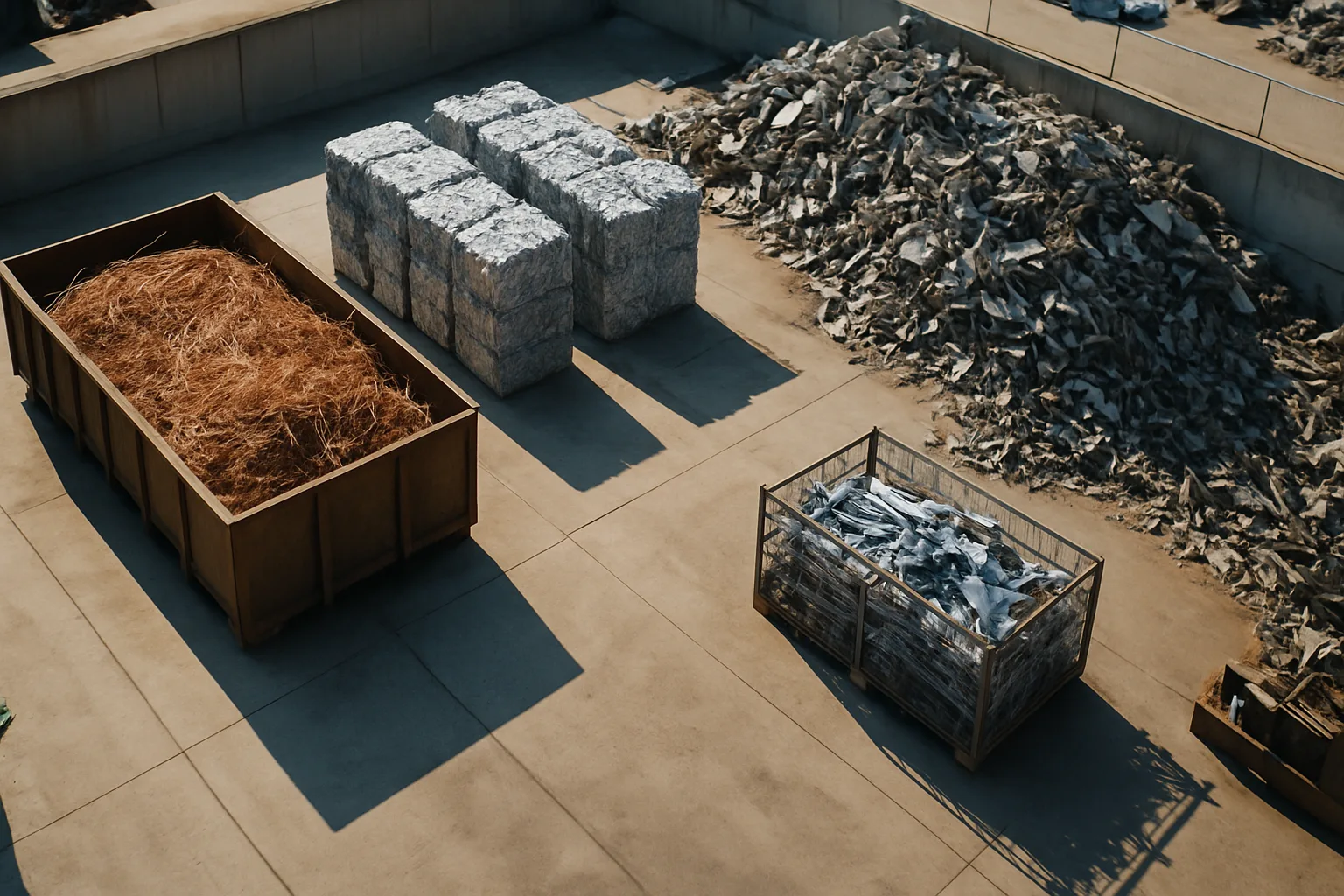
Which Scrap Metals Are Actually Worth Your Time in 2026?
Not all scrap is created equal. You can fill a truck with low-grade steel and walk away with gas money, or you can know which metals to target and walk away with a real payday. If you're looking to sell scrap metal in Baltimore — or anywhere across North America — understanding which materials command the best prices is the difference between a hobby and a profitable operation.
Markets shift. Tariffs move. Industrial demand fluctuates. What paid well two years ago might be sitting flat today, and what looked like low-value material last year might be climbing in 2026. This guide breaks down the most profitable scrap metals to collect right now, what drives their value, and how to make sure you're getting a competitive price when you sell.
Before we dive in — prices fluctuate constantly based on global commodity markets, regional demand, and metal grade. Always check current scrap metal prices before you haul a load. What you read today may look different by Friday.
Copper: Still the King of Scrap Metal Prices
Copper consistently sits at the top of the value chain for scrap collectors. It's used in electrical wiring, plumbing, HVAC systems, and increasingly in EV infrastructure — demand isn't going anywhere. In 2026, copper's role in the energy transition continues to push industrial appetite higher, which keeps scrap copper prices strong relative to most other metals.
There are real differences in grade that affect your payout. Bare bright copper — clean, uncoated wire — commands the highest price per pound. #1 copper (clean pipe and fittings, no solder) comes in just behind it. #2 copper (mixed, with some coating or fittings attached) pays less. Know what you have before you pull up to the scale.
- Bare bright copper: Highest grade, clean and uncoated
- #1 copper: Clean pipe, no solder, no paint
- #2 copper: Mixed copper, some coating or fittings
- Insulated wire: Value depends heavily on copper percentage inside
- Copper breakage: Mixed or contaminated — lowest copper grade
If you're collecting in Baltimore, construction demo sites, old residential renovations, and industrial strip-outs are prime sources of copper. Maryland's ongoing infrastructure work and aging housing stock make copper a realistic target for collectors who know where to look. Document your material, photograph it by grade, and don't let a single buyer set the price without competition behind it.
Aluminum: High Volume, Reliable Returns on Aluminum Scrap Price Today
Aluminum won't match copper dollar-for-dollar per pound, but it's everywhere — and it's light enough to move volume efficiently. Checking the aluminum scrap price today is worth doing before any haul because pricing can shift based on LME (London Metal Exchange) movements, regional demand, and whether you're selling sheet, cast, or extruded material.
The most valuable aluminum grades in 2026 include clean aluminum extrusions (window frames, door frames), cast aluminum (engine blocks, transmission housings), and aluminum wheels — which typically pay a premium over mixed aluminum because they're clean and easy to process. Old sheet aluminum and mixed aluminum pay less, but they're still far more profitable per pound than most ferrous material.
For Baltimore collectors, the commercial and industrial base in the region generates consistent aluminum scrap from HVAC equipment, commercial kitchen gear, and light manufacturing. Aluminum cans — while lower value per pound — are accessible to anyone and add up at volume. A platform like smashscrap.com can help sellers move larger aluminum loads to vetted buyers who compete for the material, which means better price discovery than a single yard quote.
Catalytic Converters: High Value, High Stakes
Few scrap items generate more conversation — or more caution — than catalytic converters. The platinum-group metals (PGMs) inside them — platinum, palladium, and rhodium — are genuinely rare and genuinely valuable. A single cat can be worth anywhere from a small amount to several hundred dollars depending on the vehicle it came from, its condition, and current PGM spot prices.
The challenge in 2026 is that the catalytic converter market is heavily scrutinized. Regulations around documentation, serial number tracking, and proof of ownership have tightened significantly across multiple U.S. states, including Maryland. Before you sell any cats, make sure you can document where they came from. Yards that buy cats without proper paperwork are increasingly exposed to legal liability — and so are sellers.
- High-value cats: From larger vehicles — trucks, SUVs, diesel equipment
- Serial tracking: Critical for compliance and buyer confidence
- Photo documentation: Photograph serial numbers and condition before transport
- Foreign vs. domestic cats: Grade and PGM content vary significantly
- Aftermarket cats: Often contain little to no PGM content — know the difference
SMASH's inventory tools support serial tracking and photo documentation on catalytic converter loads, which matters when buyers need confidence in what they're bidding on. More documentation means more buyer confidence. More buyer confidence means more competitive bids. That's how price discovery actually works.
Steel and Iron: Lower Per-Pound, But the Volume Game Is Real
Steel and iron sit at the bottom of the price-per-pound ladder compared to non-ferrous metals — but don't write them off. The math changes when you're moving heavy loads. Structural steel, cast iron radiators, heavy equipment components, and HMS (heavy melt steel) can generate meaningful revenue when you're working at scale.
In Baltimore, the industrial and port economy generates real steel scrap — from old manufacturing equipment, ship components, and construction demo. Maryland's infrastructure investment continues to create demo and renovation activity that puts ferrous material in play for collectors and small yards.
The key with steel is efficiency. Low weight-to-value ratio means your hauling cost eats into margin fast. Shorten haul distances, sort your material (clean steel vs. mixed), and don't mix in contaminated loads that drop the grade. If you're running volume, competitive pricing matters more than it might seem — even a few dollars per ton adds up fast across large loads.
Brass and Stainless Steel: The Overlooked Profit Opportunities
Collectors often walk past brass and stainless because they're less obvious than copper wire or aluminum wheels. That's a mistake. Brass — found in fittings, valves, plumbing hardware, and musical instruments — pays significantly more per pound than most steel and holds its value consistently. Yellow brass, red brass, and mixed brass all have separate grades and separate price points.
Stainless steel is another underrated earner. Commercial kitchen equipment, medical and lab equipment, and industrial processing gear are all stainless-heavy. The per-pound price is well above standard steel, and the material is easy to identify with a magnet test (stainless is typically non-magnetic or weakly magnetic, unlike mild steel).
When you find the best scrap metal prices today, make sure you're comparing rates on these mid-tier metals — not just copper and aluminum. Brass and stainless often represent the best return for the sourcing effort involved, especially in residential and light commercial demolition contexts.
How Baltimore Sellers Can Get Competitive Scrap Metal Prices
Knowing what metals are valuable is step one. Getting paid fairly for them is step two — and that's where most sellers leave money on the table. The traditional model — call one yard, take their number, haul the load — gives you one data point. One data point isn't a market price. It's a starting offer.
Competition is what creates real price discovery. When multiple vetted buyers see your load and bid against each other, you find out what the material is actually worth in the current market. That's the model SMASH is built on. Sellers document their loads with photos and inventory details, list them on the platform, and let qualified buyers compete. No subscription fees. SMASH only wins when you do.
For sellers handling larger or more complex loads — mixed non-ferrous, bulk aluminum, catalytic converters with documentation — this approach makes a measurable difference. You can also read the latest scrap metal pricing guides to stay current on which materials are trending and which markets are soft before you haul.
If you're running Baltimore scrap metal services or selling loads out of the Maryland region, the basics haven't changed: sort your material, document it properly, and don't settle for one buyer's number. The market will always tell you more than a single phone call will.
Ready to get paid what your scrap is worth? Get the best scrap metal prices — check rates at best-scrap-prices.com and stop leaving money on the scale.
Frequently Asked Questions
Q: What is the most valuable scrap metal I can sell in Baltimore?
Copper consistently commands the highest price per pound and is the most valuable common scrap metal. Bare bright copper and #1 copper top the grade scale. Catalytic converters can exceed copper's per-unit value, but they require proper documentation and serial tracking to sell legally in Maryland.
Q: How do I know if I'm getting a fair price when I sell scrap metal in Baltimore?
One yard quote is not a market price — it's a starting point. Compare rates across multiple buyers, use online price reference tools, and consider platforms like SMASH where vetted buyers compete for your load. Competition reveals what your material is actually worth in the current market.
Q: Do scrap metal prices change daily in Baltimore?
Yes. Scrap metal prices are tied to global commodity markets — LME copper, aluminum futures, PGM spot prices — and they can move daily or even intraday. Always check current rates before you haul. A load priced on Monday may pay differently by Thursday.
Q: Is it legal to sell catalytic converters in Maryland?
Yes, but Maryland — like many states — has tightened documentation requirements around catalytic converter sales. Sellers typically need to provide proof of ownership, identification, and in some cases vehicle documentation. Serial number tracking and photo documentation protect both the seller and the buyer. Do not sell cats without proper paperwork.
Q: What is the best way to maximize my scrap metal payout in the Baltimore area?
Sort your material by grade before you sell — mixed loads pay less than sorted, clean material. Document everything with photos. Get multiple price quotes, or use a competitive auction platform like SMASH to let buyers compete for your load. Clean, documented, sorted material always commands better prices than unsorted mixed loads.
Follow SMASH on LinkedIn for ongoing scrap metal market updates, pricing insights, and industry news: SMASH on LinkedIn.
```