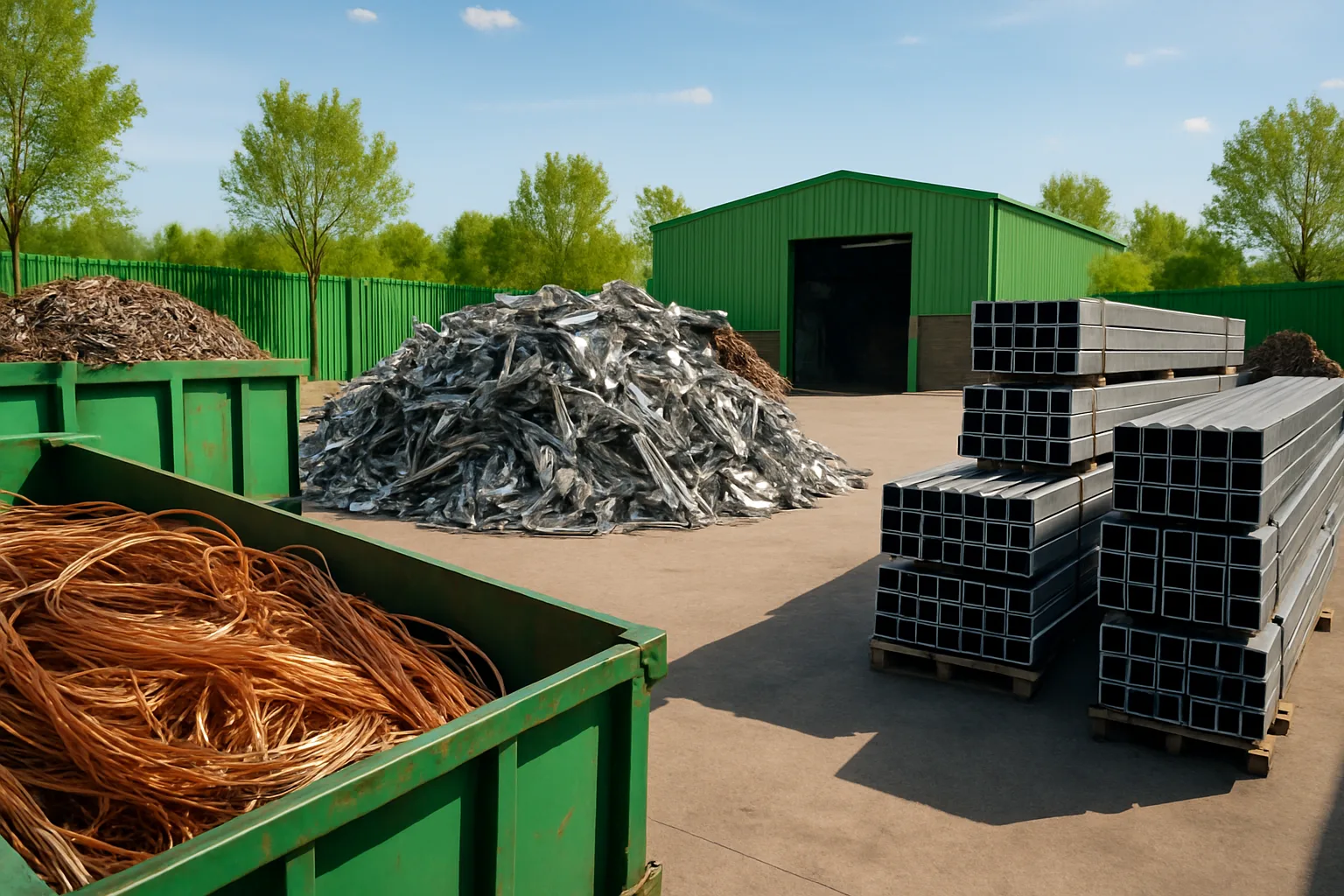
Why Construction and Demolition Sites Are Goldmines for Scrap Metal
Every building that comes down leaves something behind. Steel beams, copper wiring, aluminum framing, cast iron pipe — demolition sites generate enormous volumes of scrap metal that most people never think about. If you work in construction, own a demo crew, or haul debris for a living, you're sitting on material that has real market value. The question isn't whether the metal is there. It's whether you're getting paid what it's actually worth.
For contractors and haulers operating in the Inland Empire, scrap metal recycling Riverside is a serious line item — not an afterthought. Knowing what you've got, how to document it, and where to sell it makes the difference between leaving money on the table and turning your demo waste into actual revenue.
What Types of Scrap Metal Come Off a Construction or Demo Site?
Not all demo metal is equal. The value of your load depends heavily on what's in it, how it's separated, and how clean the material is when it hits the scale. Buyers pay premium prices for clean, sorted metal. Mixed or contaminated loads get docked hard.
Here's what typically comes off a C&D site:
- Structural steel — beams, columns, rebar, decking. Usually ferrous, sold by the ton. Prices track the steel market closely.
- Copper wire and pipe — the most valuable non-ferrous material on most job sites. Electrical wiring, plumbing lines, HVAC connections. Copper scrap prices swing with global demand, so timing and documentation matter.
- Aluminum — window frames, curtain wall panels, conduit, roofing. Lighter than steel, higher value per pound. Aluminum price tracks LME benchmarks.
- Cast iron and ductile iron — old pipe, drain lines, radiators from pre-1980s builds. Heavy and dense. Worth pulling separately.
- Stainless steel — commercial kitchen equipment, HVAC ducting in food-grade buildings, elevator components. Commands a premium over standard steel.
- Catalytic converters — if you're demoing a parking structure or handling fleet vehicles on-site, cats can show up. They contain platinum group metals and hold serious value.
- Brass — valves, fittings, fixtures. Often overlooked but prices per pound are solid.
The mix on any given site depends on the age and type of structure. A 1960s industrial building in Riverside's historic manufacturing district will yield a very different load than a 2010s commercial tilt-up. Know your building before you swing the first sledgehammer.
How to Sort and Prep Your Scrap for Maximum Value
Sorting is where most contractors lose money. Showing up at a yard with a mixed load of iron, wire, and aluminum all thrown together is the fastest way to get bottom-dollar pricing. Buyers pay you for what they know — if they can't identify it quickly, they'll price it at the worst-case grade.
Here's how to prep your C&D scrap before it leaves the site:
- Strip copper wire at the source. Bare bright copper is worth significantly more than insulated wire. If your crew is already on the demo floor, stripping takes minutes and the price difference is real. Know your grades: bare bright, #1 copper, #2 copper, and insulated wire all price differently.
- Keep ferrous and non-ferrous separated. Steel and iron go in one bin. Copper, aluminum, and brass go elsewhere. Never mix them. A magnet is your fastest sorting tool on site.
- Document everything with photos. This matters more than most sellers realize — especially for large loads. Platforms like SMASH require photo documentation as part of the listing process. That documentation builds buyer confidence and protects you when it's time to settle.
- Pull catalytic converters clean. If any vehicles come with the demo, cats should be removed and catalogued separately. Use VIN lookup and serial tracking — reputable buyers and platforms expect it. If you're looking to check current scrap metal prices on cats before you commit to a number, do it before you load out.
- Remove contaminants. Concrete-encased rebar, painted aluminum, insulated pipe — these all affect your grade and your price. The cleaner your load, the stronger your position at the scale.
Good sorting habits add up fast. On a mid-sized commercial demo, the price difference between a mixed unsorted load and properly graded, separated material can be substantial. That's not a rounding error — it's margin.
How Scrap Metal Pricing Works for C&D Material
Pricing for construction and demolition scrap follows the same fundamentals as any scrap transaction — it just happens at higher volumes and with more complexity. Understanding what drives price helps you time your sales and negotiate better.
Steel and rebar prices fluctuate with global steel demand, mill buying appetite, and domestic production levels. In California, regional mill activity affects local yard pricing. What a Riverside yard pays today might differ from what a yard in the Central Valley pays this week.
Copper scrap prices Riverside track LME copper closely, minus the yard's margin and any deductions for grade or contamination. When global copper demand is strong — driven by EV production, infrastructure projects, and grid buildout — your copper wiring and pipe commands better prices. Watch the LME and know your grades before you call a single buyer.
Aluminum price is more stable than copper but still moves. Architectural aluminum — window frames, curtain walls — often grades differently than structural or cast aluminum. Ask your buyer how they're grading it before you agree to a price.
The old model — one yard, one phone call, take it or leave it — is exactly how contractors get undercut on big loads. Sell your scrap metal on the SMASH marketplace and let vetted buyers compete for your material instead. Competition reveals the actual market. That's not a pitch — it's just how price discovery works.
For the most current rates on steel, copper, aluminum, and other metals, find the best scrap metal prices today before you commit your load to any single buyer.
Compliance and Documentation on C&D Scrap Sales in California
California takes scrap metal compliance seriously, and sellers need to know the rules before they load out. The state has specific regulations around scrap metal transactions — particularly for non-ferrous material — designed to reduce theft and create an audit trail on high-value metals like copper and catalytic converters.
Key compliance points for C&D sellers in California:
- Photo ID and seller verification — California law requires scrap buyers to collect seller identification on regulated materials. This is standard practice at compliant yards.
- Catalytic converter documentation — California has some of the strictest cat laws in the country. Sellers must be able to document legal ownership or source. VIN lookups and serial number tracking aren't optional — they're how you stay on the right side of the law.
- Bill of Lading (BOL) requirements — for large commercial loads, a proper BOL establishes chain of custody and protects both the seller and buyer.
- Business documentation — if you're selling as a contractor or demolition company, registering as a business seller with your yard or platform simplifies compliance and often unlocks better pricing tiers.
Platforms like SMASH build compliance tools into the transaction — photo documentation, serial tracking, VIN lookup for cats, and auto-invoicing that creates a clean paper trail. For contractors operating at scale in Riverside or anywhere else in California, that documentation layer isn't a burden. It's protection.
To stay current on compliance guidelines and pricing trends, read the latest scrap metal pricing guides — updated regularly for the California market.
How to Get the Best Scrap Metal Prices on Your C&D Loads
Here's the honest reality of how to recycle scrap metal from a C&D site and actually maximize your return: it comes down to preparation, competition, and documentation. None of those things are complicated. Most contractors just skip them because they're in a hurry to get the load off the truck.
The contractors getting best scrap metal prices California consistently are doing a few things differently:
- They sort at the source, not at the yard.
- They photograph and document loads before they move.
- They don't sell to the first buyer who answers the phone.
- They use auction-based platforms to let buyers compete rather than accepting a single offered price.
- They track metal market trends — at minimum, a weekly check on copper and steel benchmarks.
If you're generating consistent volume from demo and construction work in Riverside or anywhere across the Inland Empire, those habits compound over time. More buyers bidding means better price discovery. SMASH connects sellers with a vetted buyer network specifically built for commercial scrap volume — no subscriptions, no guesswork. You only pay when you sell.
Ready to stop guessing what your scrap is worth? Get the best scrap metal prices — check rates at best-scrap-prices.com and see what your C&D material is actually worth before your next load goes out the gate.
Frequently Asked Questions
Q: What is the most valuable scrap metal from a demolition site?
Copper consistently ranks as the highest-value material per pound on most C&D sites — particularly bare bright copper wire and clean copper pipe. Catalytic converters can also carry significant value depending on the vehicle source. Non-ferrous metals like aluminum and brass outperform ferrous steel and iron on a per-pound basis, though ferrous material often wins on volume.
Q: How do I find the best scrap metal prices in Riverside, California?
Start by knowing your grades — clean, sorted material always gets better pricing than mixed loads. Check current market benchmarks on copper, steel, and aluminum before approaching any buyer. Using a competitive marketplace rather than calling a single yard gives you real price discovery. Platforms like SMASH connect sellers with multiple vetted buyers so the market sets your price, not one buyer's offer.
Q: Do I need documentation to sell scrap metal from a construction site in California?
Yes. California has specific regulations for scrap metal sales, particularly non-ferrous material and catalytic converters. You'll need valid business ID, and for cats specifically, documentation showing legal source or ownership. Maintaining a proper Bill of Lading for large loads protects you legally and builds credibility with buyers. Always confirm requirements with your local yard or platform before selling.
Q: Can I sell catalytic converters from a demolition site online?
Yes — and online platforms often yield better returns than local yards alone because they connect you with more buyers. To sell catalytic converters online legally in California, you need proper ownership documentation and serial number records. Platforms like SMASH use VIN lookup and serial tracking to manage compliance on cat sales. Never sell cats without documentation — the legal exposure isn't worth it.
Q: How does scrap metal recycling in Riverside compare to other California markets?
Riverside benefits from its position in the Inland Empire — significant industrial and construction activity means steady supply, and proximity to Los Angeles-area buyers creates reasonable competition. Pricing at Riverside yards generally tracks California averages, though individual yard margins vary. Comparing offers across multiple buyers — rather than defaulting to the nearest yard — is still the most reliable way to ensure you're getting competitive rates on any load.
Follow SMASH on LinkedIn for scrap metal market updates, pricing insights, and industry news delivered straight to your feed.
Disclaimer: Scrap metal prices fluctuate daily based on global commodity markets, local supply and demand, and material grade. Always verify current rates before finalizing any transaction.