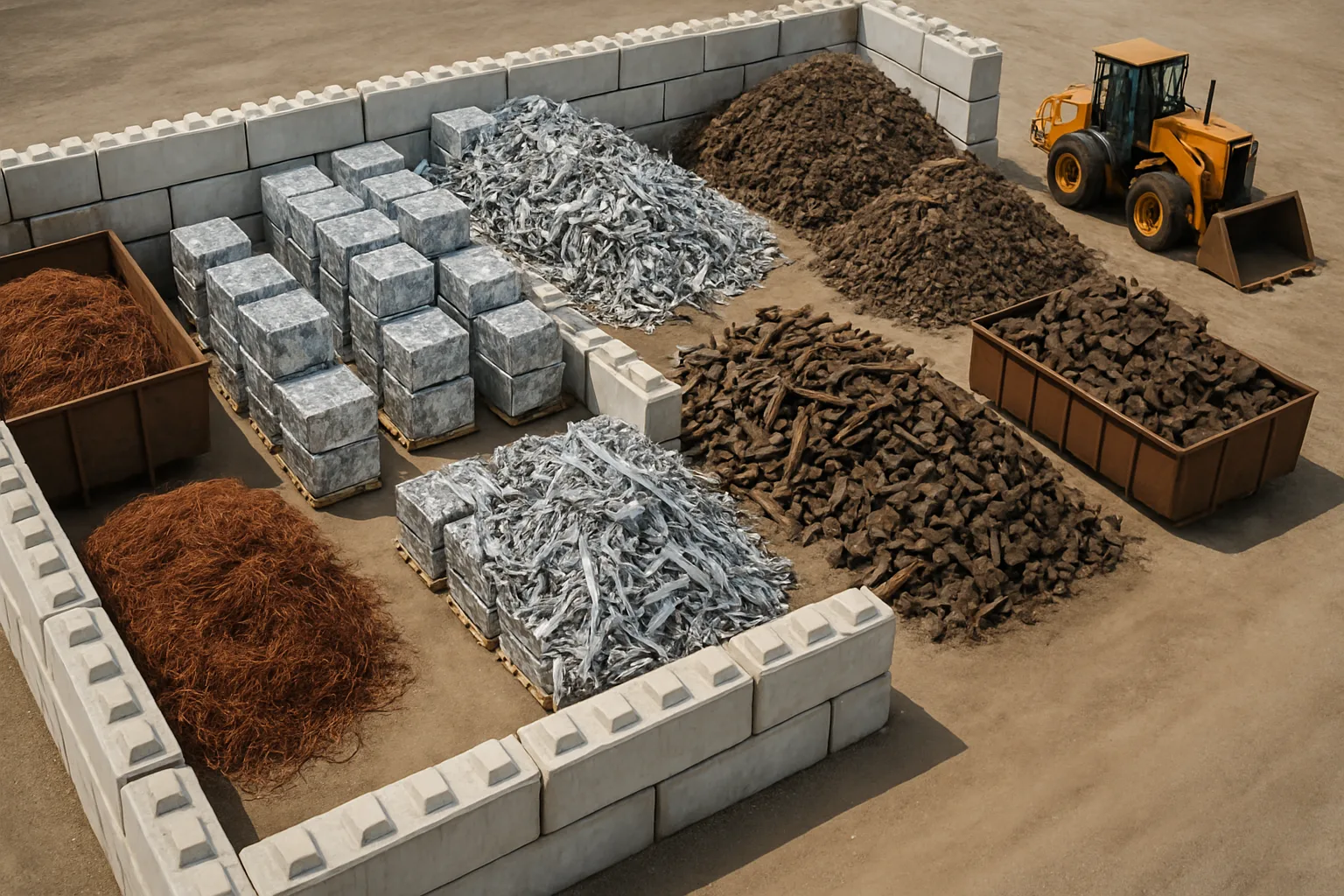
Steel vs. Iron Scrap: Why the Price Gap Matters More Than You Think
You've got a pile of metal sitting in your yard. Some of it's structural steel from a demo job. Some of it looks older, heavier, darker — probably cast iron. They look similar to the untrained eye. But when it comes to scrap metal prices Lansing yards are posting today, these two materials can land in completely different pricing tiers. Knowing which is which puts money in your pocket. Confusing them leaves it on the table.
This guide breaks down the real price difference between steel and iron scrap, what drives those numbers, and how sellers in Lansing and across Michigan can position themselves to get better returns on every load.
Steel vs. Iron: What You're Actually Selling
Steel and iron are both ferrous metals — meaning they contain iron as their primary component and will stick to a magnet. That's where most of the similarity ends. Cast iron is brittle, heavy, and has a higher carbon content. Think engine blocks, old radiators, cookware, machine bases, and municipal infrastructure like manhole covers. Steel is more refined, more ductile, and comes in dozens of grades — structural steel, sheet steel, stainless, rebar, tubing, and more.
From a mill buyer's perspective, these materials have different metallurgical profiles and different downstream uses. That's what creates the price spread. Steel — especially clean, sorted grades — is generally more desirable for remelting and tends to command a higher price per pound or per gross ton. Cast iron, while still valuable, is denser and often requires different processing.
- Cast iron identifiers: Extremely heavy for its size, dull gray fracture surface, brittle (chips rather than bends), often found in engine blocks, old pipes, and industrial machinery
- Steel identifiers: Bends before it breaks, brighter metallic surface, found in structural beams, auto bodies, appliances, rebar, and sheet goods
- Stainless steel: Won't attract a magnet (or will attract weakly), shinier surface, higher value — often worth sorting out separately
Misidentifying your material doesn't just cost you on price. Some yards will downgrade your entire load if it's contaminated or missorted. Take the time to identify what you have before you haul it in.
What's Driving Scrap Metal Prices in Lansing Right Now
Lansing sits in the middle of a manufacturing-heavy region. Michigan's auto industry still shapes a significant portion of the scrap flow here — from stamped steel panels to cast iron engine components to aluminum castings. That creates a relatively active local market, with buyers competing for quality ferrous and non-ferrous loads.
As of August 2026, scrap metal prices nationally are being influenced by a mix of factors: global steel demand, domestic mill utilization rates, freight costs, and shifts in EV production that are changing the composition of auto scrap. More aluminum, less cast iron in the vehicle mix. That shift is gradual, but scrap yards in Lansing and across Michigan are already adjusting how they sort and value incoming loads.
A few key drivers to watch:
- Mill demand: Electric arc furnaces run on scrap. When domestic mills are running hot, ferrous prices firm up. When they throttle back, prices soften — regardless of what you paid for fuel to haul that load.
- Export markets: Turkey, India, and Southeast Asia are major buyers of U.S. ferrous scrap. Currency swings and shipping rates affect what overseas buyers will pay, which ripples back to your local yard.
- Contamination premiums and penalties: Clean, sorted steel loads attract better bids. Mixed, dirty, or wet loads get discounted — sometimes heavily.
- Non-ferrous mixed in: If you've got copper wire, aluminum extrusions, or stainless bundled into your ferrous, that mix affects overall load value. Know what you have and sort accordingly.
If you want to find the best scrap metal prices today, you need more than a single phone call to one buyer. Market conditions shift week to week, and what one yard pays on Monday might look very different by Thursday.
Cast Iron vs. Steel: The Real Price Gap and What It Means Per Load
The price spread between cast iron and steel scrap varies, but it's real and consistent. Cast iron typically trades at a discount to #1 heavy melt steel — sometimes $10 to $30 per gross ton lower depending on market conditions, though that gap can widen or narrow based on local demand. On a 20-ton load, that's a meaningful difference in your final check.
Here's why the gap exists: cast iron contains higher carbon and more impurities. Mills that use it need to blend it carefully into their heats. Steel scrap — especially clean grades like #1 heavy melt, busheling, or shredded — is easier to work with metallurgically. Buyers pay for predictability and yield.
Grades of steel that typically command stronger pricing:
- #1 Heavy Melt (HMS 1): Clean steel, no galvanized, no tin, minimum thickness requirements. Top of the ferrous pricing pyramid for most yards.
- Busheling / Bundles: Factory punchings and clean sheet steel. Highly sought after by mills for its consistent chemistry.
- Shredded Steel: Auto shredder output. High volume, consistent grade, moves well in the market.
- #2 Heavy Melt (HMS 2): Thinner steel, mixed quality. Prices below HMS 1 but still better than most cast iron grades.
- Cast Iron (Brake Rotors, Engine Blocks): Typically priced below HMS 1 and HMS 2. Still worth selling, but know what you're getting.
If you're sourcing loads from demo sites, automotive dismantlers, or manufacturing facilities in the Lansing area, sorting your material before it leaves the source gives you the best shot at top pricing. Don't mix cast iron into your HMS 1 pile — it'll cost you at the scale.
Beyond Ferrous: Where Copper and Other Non-Ferrous Metals Fit In
Steel and iron get the volume, but non-ferrous metals are where the per-pound value really climbs. If your loads include any copper wire, copper pipe, or copper motors, you're looking at a completely different price tier. The copper scrap price today in the U.S. market runs substantially higher per pound than any ferrous grade — often by a factor of five or more depending on grade and purity.
Aluminum, brass, stainless steel, and lead all follow similar logic: higher value per pound, smaller volumes, but significant contribution to your total check. The key is not letting non-ferrous materials get buried in a ferrous load. Copper especially needs to be sorted and weighed separately. One roll of stripped copper wire left in a steel bin gets paid at ferrous rates — that's real money lost.
For sellers dealing with mixed loads that include catalytic converters, the sorting challenge is even more significant. Catalytic converters contain platinum group metals (PGMs) — rhodium, palladium, and platinum — and their value can be substantial. The traditional approach of selling to a single local buyer at a static price often leaves money on the table. A catalytic converter auction format, like what North America's B2B scrap metal auction platform SMASH runs, puts multiple vetted buyers in competition for your inventory. That competition creates price discovery rather than price acceptance.
To check current scrap metal prices across multiple material types before your next sale, use a resource that aggregates real market data — not just one buyer's posted rate.
How to Get Better Scrap Metal Prices on Every Load
Getting better prices isn't about haggling harder with one buyer. It's about creating the conditions for competition. Here's how experienced sellers approach it:
- Sort before you haul. Separate ferrous from non-ferrous. Separate HMS 1 from cast iron. Separate copper grades (bare bright, #1 wire, #2 wire) from each other. Each sorted pile is a cleaner, more valuable SKU.
- Document your loads. Photos of your material, accurate weights, and clear descriptions give buyers confidence. Confident buyers bid higher.
- Know the grade before you name the price. Calling your load "steel" when it's 40% cast iron sets up a renegotiation at the scale. Know your material.
- Get multiple bids. One buyer sets a price. Two buyers create tension. Three or more buyers create a market. That's the difference between accepting a price and discovering one.
- Use platforms built for this. SMASH connects sellers with vetted buyers across North America. No subscription fees, no guessing — just documented inventory, competitive bidding, and transparent pricing. If you're moving scrap in Michigan and relying on a single buyer's quote, you're probably leaving money behind.
You can also read the latest scrap metal pricing guides to stay current on what grades are moving and where the market is heading. Market knowledge is a competitive advantage. Most sellers don't use it.
Selling Scrap in Lansing: Practical Notes for Michigan Sellers
Lansing's position as a manufacturing and auto industry hub means there's consistent scrap flow in the region — and consistent demand from local yards and regional buyers. Michigan broadly has a dense network of recycling facilities, which creates some competitive pressure on pricing. But local competition doesn't automatically mean you're getting the best price available to you nationally.
A few practical notes for sellers working in and around Lansing:
- Michigan has active automotive dismantlers and dealerships producing catalytic converters, aluminum wheels, and mixed non-ferrous regularly. If you're aggregating this material, auction pricing formats are worth understanding.
- Seasonal construction activity in Michigan drives ferrous volumes in spring and summer. More supply can soften prices — timing your sales strategically matters.
- Industrial accounts in the Lansing corridor — manufacturing plants, fabricators — often generate clean grades of steel scrap. If you're picking up from these sources, sort aggressively. You're likely sitting on HMS 1 or better.
- Always confirm current posted rates before hauling. Prices can shift materially between your pickup and your drop-off.
Disclaimer: Scrap metal prices fluctuate daily based on market conditions, grade, location, and buyer demand. All pricing references in this article are directional only. Always verify current rates directly before selling.
When you're ready to move material and want real price discovery instead of one yard's posted rate, platforms like SMASH give you the infrastructure to make that happen. No subscription required. You win, they win — that's the model.
Whether you're sorting a mixed ferrous load from a demo site or trying to figure out why your cast iron is getting priced below your HMS 1 steel, the fundamentals are the same: know your material, document your load, and get it in front of more than one buyer. Get the best scrap metal prices — check rates at best-scrap-prices.com before your next haul and make sure you're walking in with market context, not just hope.
Frequently Asked Questions
Q: What's the difference in price between cast iron and steel scrap in Lansing?
Cast iron typically prices below #1 heavy melt steel, sometimes by $10–$30 per gross ton or more depending on current market conditions. On larger loads, that gap is significant. Always identify and sort your material before bringing it in to make sure you're getting paid the right rate for what you actually have.
Q: What are the best scrap metal prices available for sellers near Lansing, Michigan?
The best prices come from competitive bidding, not single-buyer quotes. Sorting your material by grade, documenting it properly, and getting it in front of multiple buyers — through a platform like SMASH or by calling multiple local yards — gives you real market pricing rather than one buyer's posted rate. Visit best-scrap-prices.com to check current market rates before you sell.
Q: How do I identify cast iron versus steel scrap?
Cast iron is extremely heavy for its size, has a dull gray surface when fractured, and is brittle — it chips or cracks rather than bending. Steel bends before it breaks and has a brighter metallic surface. Both are magnetic. If you're unsure, ask your yard to identify it before they weigh it — most will tell you on the spot.
Q: Does sorting my scrap before I sell it actually affect my payout?
Yes — significantly. Mixed or contaminated loads often get downgraded to the lowest-value material in the pile. Sorting ferrous from non-ferrous, and separating clean steel grades from cast iron, means each material gets priced at its actual market value. On a typical mixed load, sorting can change your payout meaningfully.
Q: Is it worth using a scrap auction platform for ferrous loads in Michigan?
For smaller ferrous loads, a local yard is often the most practical option. But for larger loads, high-value non-ferrous material, or catalytic converters, an auction format creates price competition that a single buyer can't replicate. SMASH handles vetted buyers, documentation, and invoicing — worth exploring if you're moving material regularly in Michigan.
Stay current on scrap metal market movements and pricing trends — follow SMASH on LinkedIn for industry updates, market insights, and practical guidance for scrap sellers and buyers across North America.