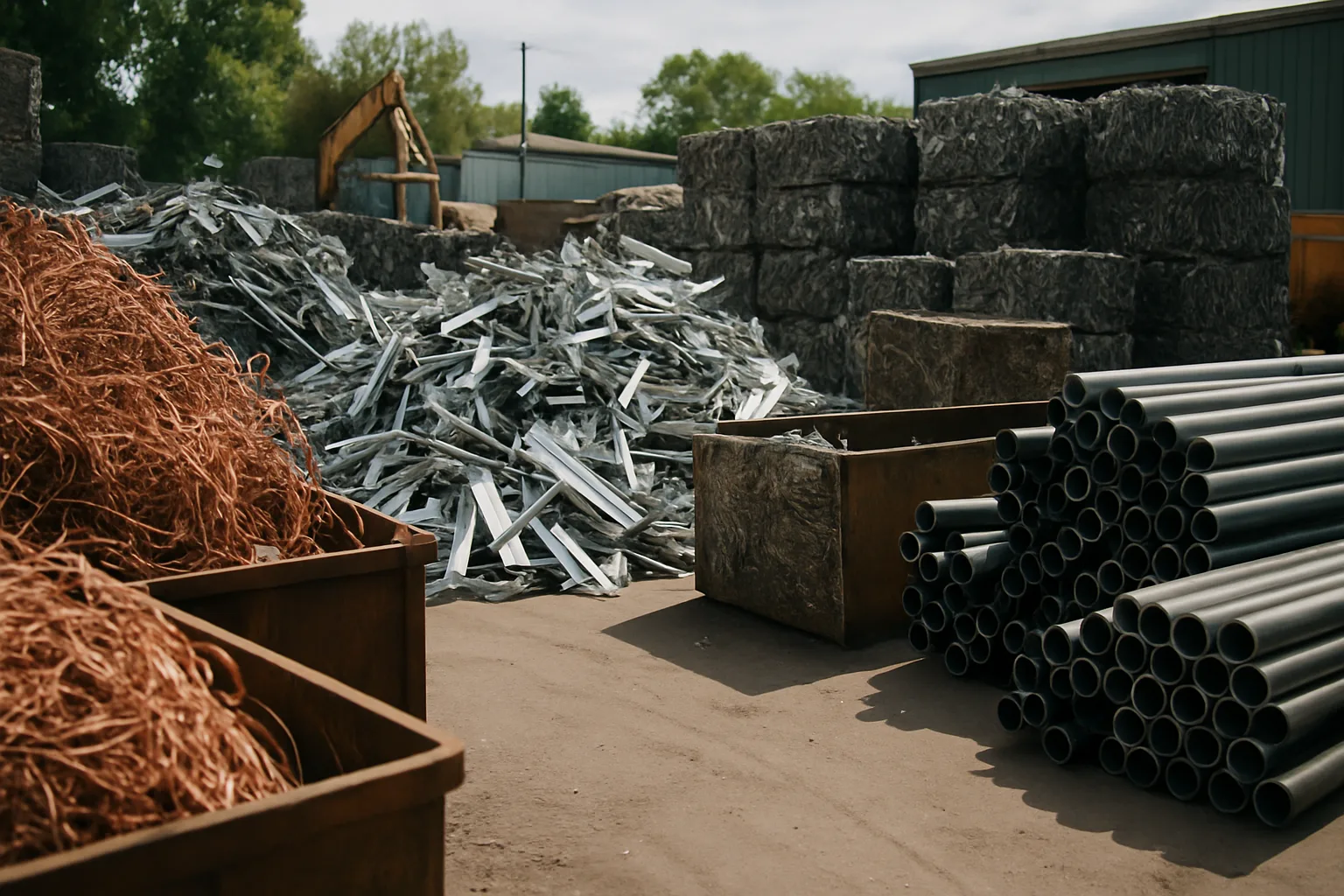
A Worcester yard operator was leaving money on the table every single week — not because his metal wasn't good, but because he only had one buyer. One phone call. One price. Take it or leave it.
That's not a negotiation. That's a surrender.
If you've ever searched "selling scrap metal near me" and just called the first yard that came up, you already know how this story ends. You get a number, you load the truck, you cash the check, and you wonder if you just gave someone else your margin. The frustrating part? You'll never know. There's no comparison. No competition. No transparency.
This case study breaks down exactly how one scrap seller in Worcester, Massachusetts changed that — and what it means for anyone sitting on a load of copper, aluminum, steel, or catalytic converters right now.
The Problem With "One Buyer, One Price"
Here's the reality of how most people sell scrap metal in 2026: they call a local yard, get a price, and either take it or spend an hour calling three other yards to compare. Most don't even do that. They take the first number because calling around feels like work, and they've got loads to move.
That convenience costs you. Every time.
The scrap market moves daily. The steel scrap price today is not the same as it was last Tuesday. Copper fluctuates. Aluminum follows its own rhythm. And catalytic converter values swing hard based on PGM spot prices — palladium, platinum, rhodium — none of which your local buyer is explaining to you when he quotes your cats.
- One buyer has no incentive to give you their best number upfront
- Without competition, you can't know what your load is actually worth
- Phone-based pricing is inconsistent — you're getting a feeling, not a market rate
- Buyers hold the information advantage when sellers operate blind
The Worcester seller in this story ran a mid-size operation. Mixed loads — ferrous, some non-ferrous, regular volumes of used catalytic converters. He wasn't new to the business. He just didn't know there was a different way to sell.
What Changed: Switching to a Scrap Metal Auction Model
After a conversation with another yard operator at a regional recycling event, this seller started using a scrap metal auction platform instead of calling buyers directly. The difference wasn't just philosophical — it was structural.
Instead of one buyer seeing his load, multiple vetted buyers competed for it. Instead of a verbal quote over the phone, he had documented inventory — photos, weights, VIN lookups on his catalytic converters, packing lists that buyers could actually review before bidding. That documentation changed what buyers were willing to pay.
More buyer confidence equals higher bids. That's not marketing language — that's how markets work.
Using SMASH Scrap — where verified buyers bid on your metal, his loads went from one-quote transactions to competitive bid events. The platform handled the photo documentation, serial tracking on his cats, and auto-invoicing when the deal closed. He didn't need a subscription to access it — no fees to list, no monthly cost eating into his margin.
The shift wasn't overnight. The first couple loads, he was still learning how to document inventory properly. But by the third auction, he had a repeatable process — and buyers were responding to the quality of his listings.
Breaking Down the Numbers: Steel, Copper, Aluminum, and Cats
We won't invent specific prices here. Metal markets change daily, and any number we print today could be wrong by the time you read this. But the structural story matters more than any single price point.
Here's what documentation does for each metal category:
Steel and ferrous loads: Steel scrap price today depends on grade, preparation, and volume. A buyer who can see the prep, the weight documentation, and the load photos before bidding has fewer reasons to discount. Less risk on their end, better price on yours.
Copper and non-ferrous: Copper price swings, but grade matters enormously. Bare bright, #1 copper, #2 copper — they're not the same. A documented load sorted by grade gives buyers confidence they're not buying a mystery box. That confidence shows up in the bid.
Aluminum price: Volume and alloy type drive value. Documented weight and alloy identification helps buyers quote accurately without padding their price for uncertainty.
Catalytic converter price: This is where documentation matters most. The ability to sell catalytic converters online through a vetted auction platform — with VIN lookup, serial tracking, and photo documentation — gives buyers the compliance confidence they need to bid competitively. A lot of hesitation in the cat market comes from traceability concerns. Remove the concern, remove the discount.
To stay current on what your loads are worth, find the best scrap metal prices today before you list anything.
What the Auction Process Actually Looks Like Day-to-Day
For sellers who've never run an auction before, the process sounds complicated. It's not. Here's how it actually works once you're set up on a platform like SMASH:
- Document your load. Take photos. Record weights. For cats, log serial numbers and run VIN lookups. The inventory tool does the heavy lifting — you're not building a spreadsheet from scratch.
- List the auction. Your load goes live to vetted buyers. These aren't random tire-kickers — they're verified recyclers and processors who've been screened by the platform.
- Buyers bid competitively. Competition is the mechanism. More buyers means better price discovery. You're not hoping for a fair number — you're watching the market find one.
- Deal closes, paperwork handled. Auto-invoicing and digital documentation replace the handshake-and-hope system most yards still run on.
The Worcester seller described it as "finally knowing what my load was actually worth." That's not a sales pitch. That's what price discovery feels like when it actually works.
For anyone still figuring out how the pricing landscape works in Massachusetts, read the latest scrap metal pricing guides — they break down what drives value by metal type and region.
Finding the Best Scrap Metal Prices in Massachusetts: What Local Sellers Get Wrong
Searching for best scrap metal prices Massachusetts will return a list of local yards. That's a starting point, not a strategy. Here's what most sellers in Worcester and across Massachusetts get wrong when they're trying to maximize their return:
- They optimize for convenience, not price. The closest yard isn't always the best-paying yard. Haul cost matters, but so does the gap between what you're paid and what competitive buyers would have bid.
- They don't document before they sell. Showing up to a yard with unsorted, undocumented material hands the buyer control of the grading conversation. You lose before negotiation starts.
- They treat cats like scrap metal. Catalytic converters are a specialty commodity with a completely different value driver than steel or aluminum. Selling them through a general yard without specialist buyers in the mix often means leaving real money behind.
- They don't track market timing. Steel scrap price today is not the same as next month. Large loads held until market conditions favor sellers can perform significantly better than loads moved out of impatience.
- They assume one quote is the market. It's not. It's one buyer's number. The market is what happens when multiple buyers compete for the same load.
SMASH was built around exactly this gap. The platform exists because the "one call, one price" model was leaving sellers — from Worcester to the West Coast — without any real visibility into what their material was worth.
The Takeaway for Sellers Ready to Stop Guessing
This isn't a story about one lucky seller hitting a great market week. It's about a structural shift in how scrap gets sold — from a one-sided phone conversation to a competitive, documented, transparent process.
If you're running a scrap operation anywhere in Massachusetts — or anywhere in North America — and you're still selling on a single quote, you're not getting the market. You're getting one buyer's interpretation of it. Those are very different things.
The tools exist. Vetted buyer networks, auction formats, inventory documentation, auto-invoicing — none of this requires a tech background or a massive operation to access. A single load of cats or a truckload of copper is enough to start.
The Worcester seller didn't overhaul his business. He changed how he sold. That's the whole lesson.
If you want to know where to start, check current scrap metal prices for your materials, then look at how a competitive auction compares to the single-quote number you've been accepting. The difference is real. Get the best scrap metal prices for your loads — check rates at best-scrap-prices.com and stop letting one buyer set your market.
Frequently Asked Questions
Q: What is a scrap metal auction and how does it work for sellers?
A scrap metal auction puts your documented load in front of multiple vetted buyers who bid competitively. Instead of accepting one quote from one buyer, you let the market determine the price. Platforms like SMASH handle the documentation, buyer verification, and invoicing so the process is repeatable and transparent.
Q: How do I find the best scrap metal prices in Worcester, Massachusetts?
Start by documenting your load accurately — photos, weights, and grades. Then compare what local yards offer against what a competitive auction platform like SMASH returns from its vetted buyer network. Single-yard quotes in Worcester don't reflect the full market — they reflect one buyer's number on one day.
Q: Can I sell catalytic converters online through an auction platform?
Yes. Platforms like SMASH support catalytic converter sales with VIN lookup, serial number tracking, and photo documentation — features that give buyers the compliance confidence they need to bid competitively. Selling cats through a documented auction often produces better price discovery than dropping them off at a general yard.
Q: Does it cost money to list a scrap metal auction?
SMASH operates on a no-subscription model — there are no fees to access the platform. The platform only wins when the seller wins. Always confirm current terms directly with the platform before listing.
Q: How does the steel scrap price today affect what I should sell and when?
Steel prices move with global demand, mill purchasing activity, and regional supply conditions. Checking current rates before listing a large ferrous load can help you make a more informed decision about timing. For large volumes, a swing in the steel scrap price today can represent a meaningful difference in total return — which is exactly why price transparency and competitive auctions matter.
Follow SMASH on LinkedIn for ongoing scrap metal market updates, pricing insights, and industry news delivered straight to your feed.