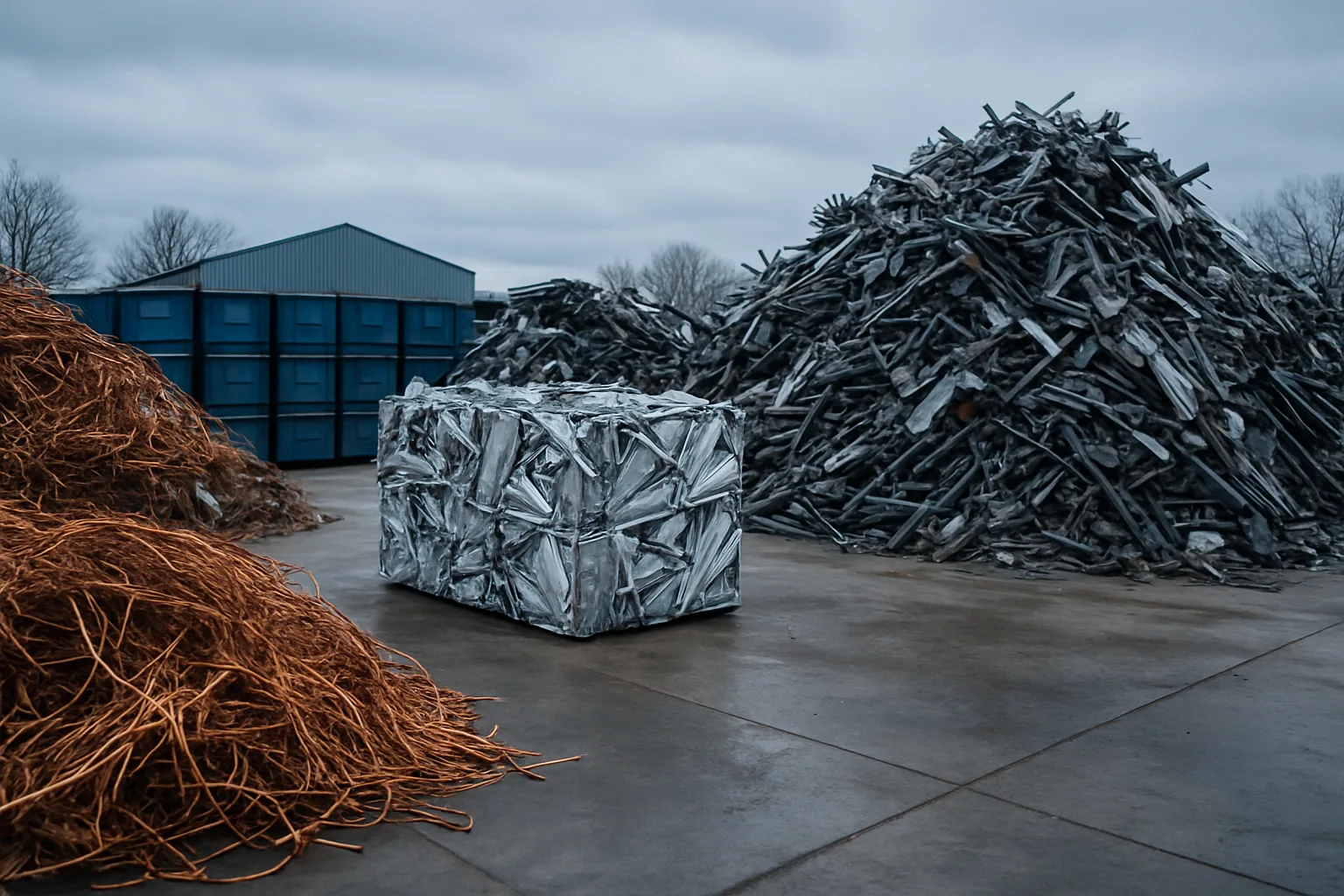
Why Most Sellers Leave Money on the Table Before They Even Reach the Yard
Here's the truth most people never hear: two sellers can bring the same weight of scrap to a yard on the same day and walk away with very different checks. The difference isn't luck. It's preparation. If you want to sell scrap metal near me Allentown and actually get paid what your material is worth, sorting and prepping your load matters more than you think.
Yards pay by grade. Clean, sorted, identified material gets a better grade. Better grades mean better per-pound rates. And in a market where copper prices, aluminum prices, and steel prices can shift week to week, knowing how to present your scrap is one of the few variables completely in your control.
This guide walks you through exactly how to sort and prepare scrap metal for maximum value — whether you're clearing out a garage in Allentown or running a small demo crew across Pennsylvania.
Know Your Metals: The First Step to Better Scrap Metal Prices Today
You can't sort what you can't identify. The good news is that basic metal identification doesn't require a lab. It requires a magnet, decent lighting, and a few minutes of attention.
Start with the magnet test. If it sticks, you're likely holding ferrous metal — iron or steel. These are lower-value materials per pound, but heavy loads add up. If the magnet doesn't stick, you're holding non-ferrous metal — and that's where the real money is.
Here's a quick field guide to common metals and what to look for:
- Copper: Reddish-orange color. Found in electrical wire, plumbing pipe, motors, and HVAC coils. One of the highest-value metals at the yard. Keep it clean and separate — contaminated copper grades down fast.
- Aluminum: Lightweight, silver-gray, non-magnetic. Found in window frames, engine parts, siding, cans, and wheels. Different aluminum alloys pay differently, so separating cast from sheet from extrusion matters.
- Brass: Yellow-gold color. Common in fittings, valves, plumbing fixtures, and musical instruments. Heavier than aluminum. Often mixed in with copper loads — pull it out and keep it separate for a better overall return.
- Stainless Steel: Shiny, non-magnetic (usually), and resistant to rust. Found in kitchen equipment, automotive exhaust, and industrial equipment. Worth more than regular steel, so don't let it get buried in your ferrous pile.
- Steel and Iron: The workhorses of the scrap world. Heavy, magnetic, and lower per-pound value — but high volume sellers still move serious weight. Separate light iron from heavy melt when possible.
Spend 20 minutes sorting before you load your truck. That 20 minutes is worth real money when the yard scale ticket prints out. To find the best scrap metal prices today, you first need to know what you're actually selling.
How to Clean and Prepare Each Metal Type for Top Grades
Sorting by type is step one. Cleaning is step two. Yards price on grade, and grade is heavily influenced by how much contamination your material carries. Insulation, plastic attachments, paint, rubber, and dirt all pull a grade down.
Here's how to prep the most common metals before your next trip to the yard:
Copper Wire and Pipe
Bare bright copper — clean, uncoated wire with no insulation — commands the top copper price at any yard. Insulated wire grades lower because of the plastic coating. If you have enough volume, stripping wire yourself can meaningfully increase your payout. For smaller quantities, many yards will take insulated wire at a discounted rate rather than nothing at all. Copper pipe should be free of fittings where possible. Cut off brass fittings and sell them separately as brass.
Aluminum
Remove steel bolts, plastic trim, and rubber seals from aluminum parts before you load them. Aluminum wheels with steel weights still attached grade lower than clean aluminum. Sheet aluminum should be free of paint when possible — though lightly painted sheet still pays, it won't hit the same rate as clean material. Separate your cast aluminum (engine blocks, transmission cases) from your extrusion (window frames, door tracks) — they're different alloys and pay at different rates.
Catalytic Converters
Don't underestimate your cats. Catalytic converters contain platinum group metals and can be worth hundreds of dollars per unit depending on the vehicle. Never mix them into a general scrap pile. Keep your cats documented — serial numbers, vehicle make and model, VIN where possible. Buyers pay more for documented cores because it gives them confidence in the material. Platforms like the SMASH scrap metal auction marketplace allow sellers to list cats with serial tracking and photo documentation, so vetted buyers can compete for your load instead of you accepting whatever one local buyer offers.
Steel and Iron
Separate light gauge steel (appliances, sheet metal, thin structural) from heavy melt (thick plate, beams, machinery). Remove non-metallic attachments — motors often have aluminum housings worth pulling separately, wire harnesses attached to steel frames pull the grade down. Shred-ready material is clean, relatively small, and free of non-metallics. Presenting it that way gets you a better rate.
Load and Document Your Scrap Like a Pro Before You Hit the Scrap Yard
How you load your truck matters. Commingled loads — where everything gets thrown together — almost always grade to the lowest common denominator. If you've done the work to sort your copper from your aluminum and your stainless from your steel, don't throw it all in one bin at the end.
Keep materials physically separated in your vehicle or trailer. Use separate bags, bins, or compartments. When you arrive at a yard in Allentown or anywhere in Pennsylvania, present each category clearly. A yard attendant who can quickly verify your material is sorted will process your load faster and is more likely to confirm the grade you expect.
Documentation is especially important for high-value items. For catalytic converters, copper loads over a certain weight, or commercial quantities of material, many yards require identification and documentation. This protects you as a seller and gives buyers confidence in the chain of custody. Photo documentation of your load before transport is worth doing — it takes five minutes and can resolve disputes if they arise.
If you're selling commercially — yards, demolition crews, HVAC companies, auto recyclers — look at building packing lists and BOLs into your process. Organized sellers with documentation get taken more seriously by buyers. Read the latest scrap metal pricing guides to understand what documentation standards high-volume sellers are using in 2026.
Use a Scrap Metal Auction to Get Competitive Bids on Your Sorted Load
Here's where most sellers give money away without realizing it. You've done the work — sorted the metals, cleaned the copper, documented the cats. Then you call one buyer, accept whatever they offer, and load the truck.
That's the old way. One buyer, one price, zero competition.
A scrap metal auction changes the dynamic entirely. When multiple vetted buyers compete for your sorted, documented load, you get actual price discovery instead of a number one buyer decided you'd accept. Competition reveals the market. It doesn't guarantee a specific outcome, but more buyers bidding on your material gives you a far better picture of what it's actually worth on a given day.
SMASH runs exactly this kind of platform. Sellers list their loads — with inventory details, photos, serial tracking for cats and cores, and supporting documentation — and vetted buyers across North America compete in an auction format. No subscription fees. SMASH only wins when you do. If you want to check current scrap metal prices and then put your sorted load in front of real competition, that's the play.
Allentown and the broader Pennsylvania market have strong scrap demand. Between manufacturing activity, construction, and automotive recycling, there's consistent buyer interest in well-documented loads. Using an auction platform connects your sorted material to that demand pool — not just to whoever answers the phone locally.
Timing Your Sale Around Scrap Metal Prices Today
Preparation gets your material to its best possible grade. Timing gets you the best possible price for that grade. Scrap metal prices move with commodity markets — copper, aluminum, and steel prices all respond to global demand, trade conditions, and regional supply.
In 2026, price volatility has remained a real factor in the scrap market. Sellers who watch price trends — even loosely — make smarter decisions about when to sell versus when to hold a load for a better window.
A few practical timing principles:
- Watch LME and CME copper benchmarks. Yard copper prices track these markets. When you see spot copper moving up, that's often reflected at the yard within a few days.
- Aluminum follows automotive and manufacturing demand. Regional demand spikes can lift local aluminum prices even when national averages hold flat.
- Steel prices respond to mill buying cycles. Scrap steel prices can shift meaningfully week over week depending on mill demand in your region.
- For cats and cores, demand from refiners drives price. Platinum group metal prices and refiner demand both affect what vetted buyers will pay for your catalytic converter load.
The point isn't to become a commodity trader. The point is to have a basic awareness of market direction so you're not selling at a trough simply because you didn't check. Platforms with live buyer competition give you real-time feedback on what the market is actually paying — which is more useful than any published price list.
You've done the hard work of sorting, cleaning, and documenting your load. Don't leave the final variable — market timing and buyer competition — to chance. If you want to get the best scrap metal prices for your prepared load, check rates at best-scrap-prices.com and consider putting your material through an auction format where vetted buyers compete for it.
Disclaimer: Scrap metal prices fluctuate daily based on commodity markets, regional demand, and material grade. All price references in this article are general in nature. Always check current rates before selling.
Frequently Asked Questions
Q: Where can I sell scrap metal near me in Allentown, Pennsylvania?
Allentown has several scrap yards serving the Lehigh Valley area. Before you drive to any yard, call ahead to confirm they accept your material type and ask for current rates. Better yet, list your sorted load through an auction platform like SMASH so multiple vetted buyers compete for your material — you're not limited to whoever is closest geographically.
Q: How much does sorting actually affect my scrap payout?
Significantly. A commingled load of mixed copper, aluminum, and steel will typically grade to the lowest value metal in the mix. Properly sorted and cleaned loads can yield meaningfully higher rates per pound because each material reaches its correct grade. The exact difference depends on your metal mix and current prices, but sorting is one of the highest-ROI steps a seller can take.
Q: What scrap metal prices should I expect in 2026?
Prices vary by metal, grade, region, and market conditions. In 2026, copper, aluminum, and catalytic converter prices have continued to respond to global commodity trends and supply chain dynamics. Rather than relying on static numbers, check live rates through current market sources and platforms with active buyer competition to understand what the market is actually paying today.
Q: Do I need to strip copper wire before selling it?
Stripping wire to bare bright copper gets you the top copper price, but whether it's worth the labor depends on your volume. High volumes of heavily insulated wire can justify stripping. For low-gauge, lightly insulated wire, many sellers find the time investment doesn't pencil out. Ask your yard for their bare bright versus insulated wire rate differential — that math tells you whether to strip or sell as-is.
Q: What is a scrap metal auction and how does it help me get better prices?
A scrap metal auction puts your documented load in front of multiple vetted buyers who compete against each other with bids. Instead of accepting a single buyer's offer, you see what the actual market will pay. Platforms like SMASH run this format for loads of all types — non-ferrous, catalytic converters, cores, and commercial quantities. No subscription fees, and you're not locked into any one local buyer's price.
Follow SMASH on LinkedIn for scrap metal market insights, pricing updates, and industry news: linkedin.com/company/scrap-metal-auction-sales-hub.
```