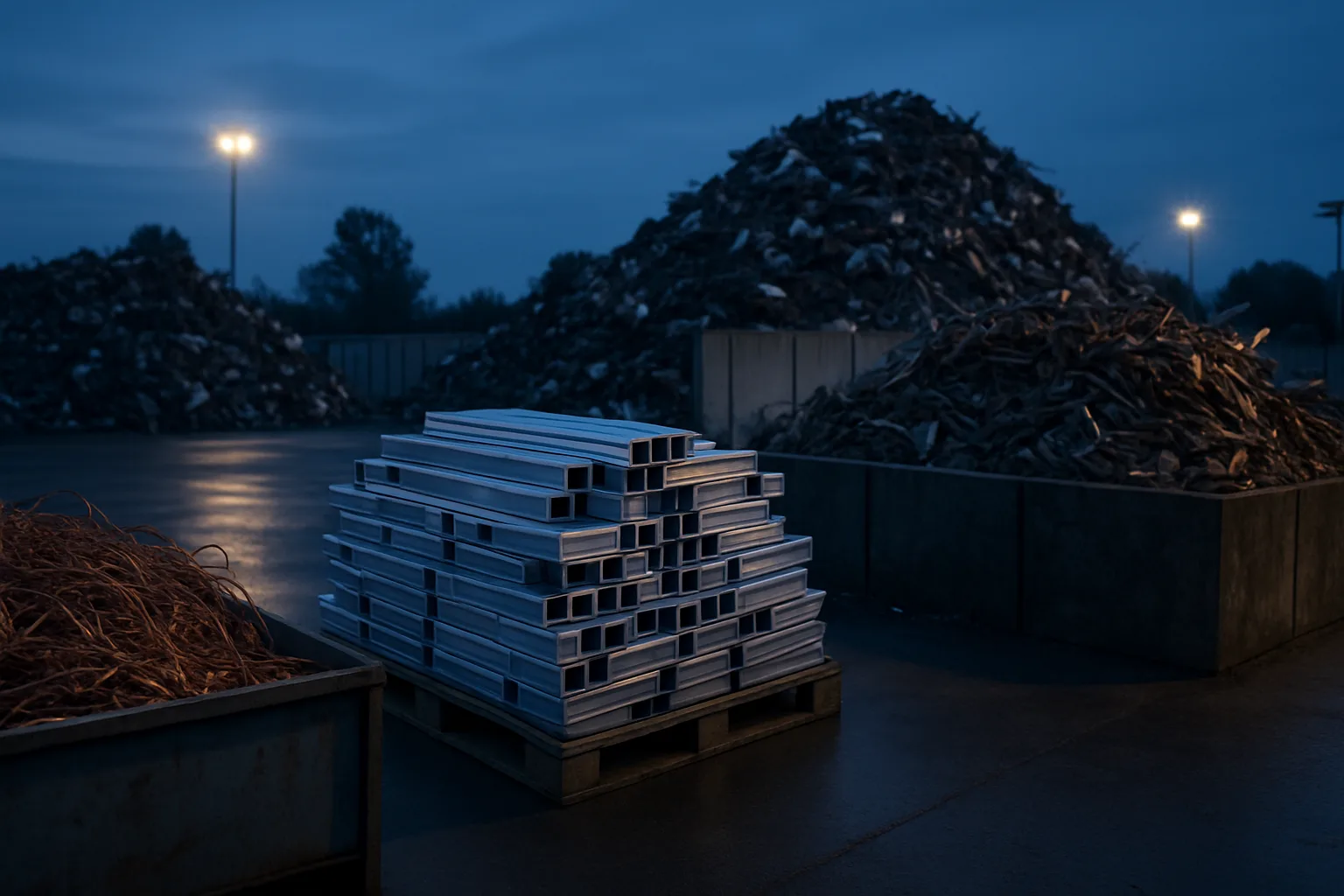
Most people don't realize that a single junked car contains dozens of individual metal components — each one worth something to the right buyer. Radiators, alternators, starters, copper wiring, aluminum housings — it's not one pile of scrap. It's a portfolio.
If you're running a recycling yard or auto dismantler in Raleigh and you're still calling one buyer to move your parts inventory, you're leaving real money on the table. Understanding how these components break down by metal type — and how a B2B scrap metal marketplace can help you price them properly — is the difference between guessing and knowing.
This guide breaks down exactly how radiators, alternators, and other auto parts get recycled for metal, what's inside them, and how to find the best scrap metal prices today instead of settling for whatever one buyer offers.
What's Actually Inside Auto Parts — and Why It Matters for Scrap Pricing
Auto parts aren't just "metal." They're specific alloys and combinations that each carry different scrap values. A radiator isn't worth the same as an alternator. A copper wire harness isn't priced like an aluminum engine block. Knowing what you have is step one.
Here's a quick breakdown of common auto parts and their primary scrap metals:
- Radiators: Typically copper-brass or aluminum. Copper-brass radiators command a higher scrap price — copper scrap prices track closely with commodity markets. Aluminum radiators are lighter and more common in newer vehicles but still carry solid aluminum scrap value.
- Alternators: Contain copper windings, aluminum housings, and small steel components. Most buyers price whole alternators separately from broken-down copper windings.
- Starters: Similar to alternators — copper and aluminum content, priced as a unit or stripped.
- Electric motors and wiring harnesses: High copper content. Stripping insulated wire increases the copper price you'll receive, but adds labor cost. Know your break-even point.
- Steel components (brackets, rotors, calipers): Lower per-pound value but high volume at most yards. Steel price per ton matters more than per pound here.
- Catalytic converters: Separate category entirely — platinum, palladium, and rhodium content makes these among the highest-value parts per unit. Track your catalytic converter price data separately from base metals.
Getting clear on what's inside each part lets you sort, document, and present inventory to buyers in a way that actually reflects market value. Throwing everything into one "auto parts" category is how yards undercut themselves.
How Radiators Are Recycled — From Yard to Smelter
Radiators are one of the most straightforward auto parts to process, which is why recycling yards in North Carolina move them in volume. The process depends heavily on the metal composition — and that's where pricing splits.
Copper-brass radiators (common in older vehicles) go through a depollution step first. Plastic end tanks, rubber seals, and steel fittings get removed. What's left is the copper-brass core, which is graded and purchased by non-ferrous processors or smelters who melt it down for reuse in electrical components, plumbing, and industrial applications. Copper demand is strong, and copper price movements directly affect what you're offered per pound on these cores.
Aluminum radiators (dominant in vehicles made in the last 15-20 years) follow a similar path but end up in aluminum smelters rather than copper refiners. Aluminum recycling is energy-efficient compared to primary production, which keeps demand high. The aluminum price you're quoted today ties directly to LME spot rates, so tracking those numbers matters if you're moving volume.
One thing many smaller yards miss: properly documented radiator loads — with counts, photos, and weights — give buyers more confidence at the point of bid. That documentation gap is exactly where a platform like SMASH helps you get competitive bids for your scrap metal instead of accepting a lowball offer because a buyer couldn't verify what they were buying.
How Alternators and Starters Get Broken Down for Metal Value
Alternators and starters are more complex than radiators because they're mixed-metal assemblies. A single alternator might contain copper windings, an aluminum or steel housing, iron rotor cores, and small amounts of rare earth magnets in newer designs. How you process them determines what you get paid.
Most yards have two options:
- Sell whole: Easier, faster. You load them by the pound or per unit, and the buyer handles breakout. You'll typically get a lower per-unit return because you're passing the processing margin to someone else.
- Break them down: Strip the copper windings, separate the aluminum housing, sell steel separately. Higher gross return, but you need the labor, equipment, and buyer relationships to move each grade. This makes more sense at volume.
For yards in Raleigh moving a consistent flow of auto parts — whether from insurance write-offs, fleet maintenance operations, or retail dismantling — the math on whole vs. stripped alternators adds up fast. Running 500 units through your yard? The difference between whole and stripped copper windings at current copper scrap prices is not trivial.
Platforms built around the scrap metal auction platform model give you the option to present either whole-unit lots or processed non-ferrous to a wider pool of vetted buyers — which means more bids, better price discovery, and less time on the phone hunting down who's paying what this week.
Why a B2B Scrap Metal Marketplace Changes the Pricing Game for Auto Parts
Here's the core problem with the traditional approach: you call one or two buyers, get a number, and decide whether to take it or wait. There's no transparency. You don't know if the offer reflects today's market or last week's. You don't know if three other buyers would have paid more.
A B2B scrap metal marketplace flips that dynamic. You document your load — part type, metal grade, weight, photos — and let vetted buyers compete. More buyers means better price discovery. That's not a marketing line; it's how auctions work.
For auto parts specifically, this matters because the spread between buyers on mixed-metal loads can be significant. One buyer might value your copper-brass radiator cores differently than another based on their current inventory, their smelter relationships, or their regional logistics. Without competition, you never see that spread. You just take the first number and hope it's fair.
Yards across North Carolina using platforms like SMASH are running documented inventory through an auction format — VIN lookup for vehicle-sourced parts, photo documentation per lot, and serial tracking where relevant — and getting actual market feedback instead of a single opinion. If you want to read the latest scrap metal pricing guides and understand how to benchmark what you're being offered, that context matters too.
No subscription fees. SMASH takes a cut only when a sale happens. If the load doesn't move, you don't pay. That's the only model that makes sense when you're running a yard and margin is everything.
Selling Scrap Metal in Raleigh — What Yards Need to Know in 2026
The Raleigh market sits in a strong position for scrap metal recycling. The Research Triangle continues to attract manufacturing and tech infrastructure, which generates industrial scrap alongside traditional auto dismantling. Construction growth across Wake County means steel demand locally has been active, and non-ferrous yards have consistent volume to move.
If you're trying to sell scrap metal in Raleigh, the local buyer base is decent — but decent isn't the same as competitive. Regional buyers know each other's pricing. Without a transparent auction format, you're working within a network that has every incentive to keep prices stable and low.
Getting your auto parts inventory — radiators, alternators, copper wire, aluminum engines — in front of buyers outside your immediate market changes the math. National buyers on a vetted platform don't share the same pricing logic as your local network. That gap is where you find the upside.
For specific details on how Raleigh scrap metal services work in practice — including how to get your loads documented and priced — that resource breaks down the local market specifics worth knowing before you sell.
The fundamentals that apply everywhere: document your loads properly, understand what metals you actually have, and don't price-discover against a single buyer. Use the market. That's what it's there for. When you're ready to check current scrap metal prices and see how your auto parts inventory stacks up, start with the metal breakdown — not the first number someone throws at you.
Frequently Asked Questions
Q: What scrap metals are found in alternators and radiators?
Alternators contain copper windings, aluminum or steel housings, and iron cores. Radiators are either copper-brass or aluminum depending on the vehicle age — older vehicles run copper-brass cores, newer ones typically use all-aluminum construction. Each metal type is priced separately, so knowing your composition matters before you sell.
Q: How does a B2B scrap metal marketplace work for auto parts?
You document your inventory — weights, part types, photos, grades — and submit it through a platform like SMASH. Vetted buyers then bid on your load in a competitive format. More buyers bidding means better price discovery than a single phone call to one local contact. No subscription fees — you pay only when a sale closes.
Q: What affects the scrap metal price for copper-brass radiators?
Copper-brass radiator prices track LME copper spot rates, the cleanliness of the core (no plastic, rubber, or steel attached), and current demand from non-ferrous processors. A well-sorted, documented load of copper-brass cores will consistently attract better offers than an unsorted pile. Prices fluctuate daily — always check current rates before committing to a sale.
Q: Is it worth stripping alternators before selling scrap in Raleigh?
It depends on your labor cost and volume. Stripping copper windings from alternators increases the per-unit metal value, but adds processing time and cost. At high volume, the margin improvement can be significant — especially when copper scrap prices are elevated. At lower volumes, selling whole is often the more practical option.
Q: How do I find competitive scrap metal prices for auto parts in North Carolina?
Start by knowing your metal grades — don't lump everything into one "auto parts" category. Then use a platform that puts your inventory in front of multiple vetted buyers rather than relying on a single local contact. Tracking commodity benchmarks for copper, aluminum, and steel price gives you a real baseline before you negotiate or auction a load.
---If you're running auto parts through your yard and you're not sure you're getting fair value, the first step is simple: know what you have, document it properly, and stop selling to one buyer. The market is bigger than your local network. Get the best scrap metal prices — check rates at best-scrap-prices.com and see what your inventory is actually worth before your next sale.
Disclaimer: Scrap metal prices fluctuate based on commodity markets, regional demand, and load quality. Always verify current rates before committing to a sale.
Follow SMASH on LinkedIn for regular updates on scrap metal market trends, pricing shifts, and industry insights worth knowing.