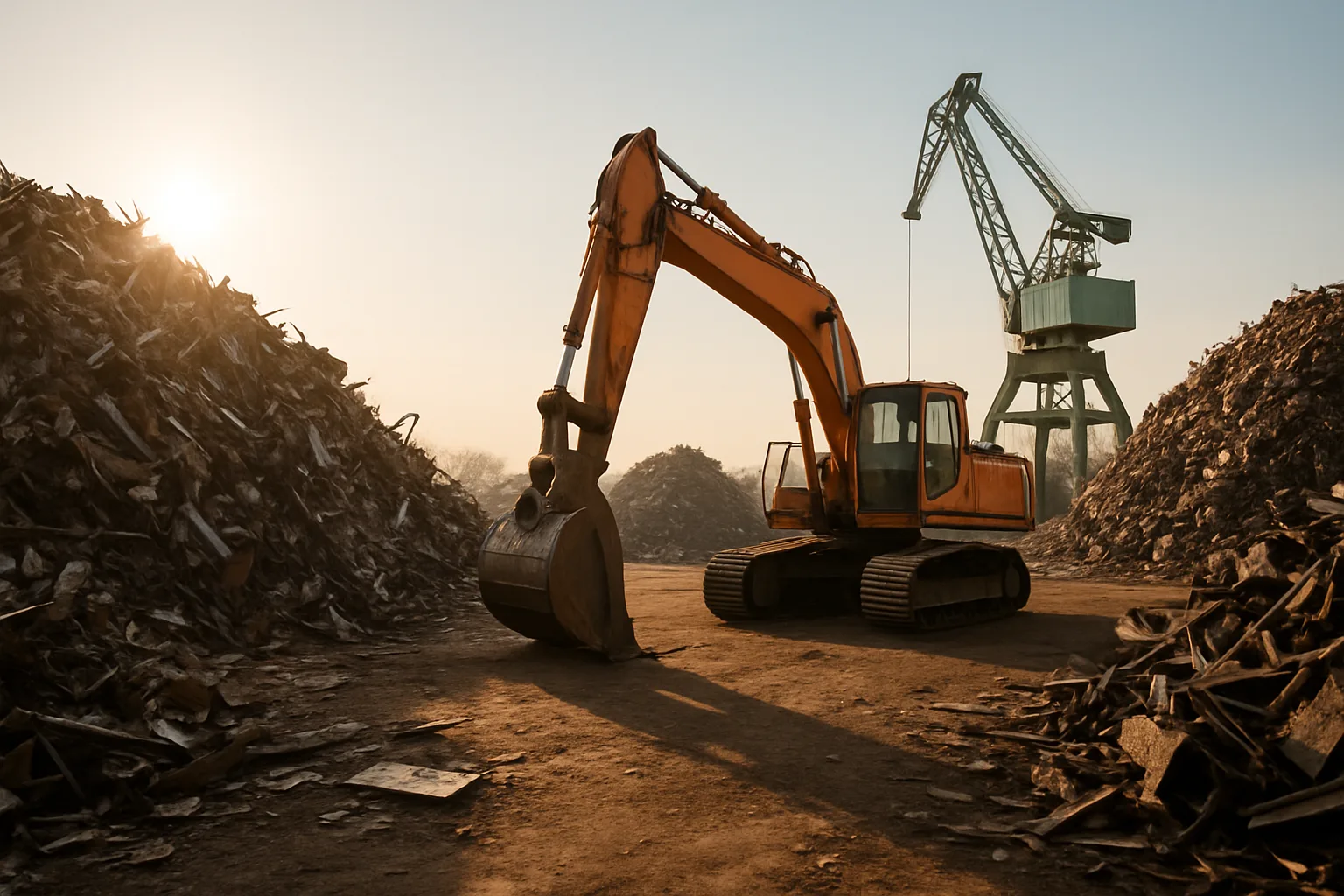
Which Scrap Metals Actually Pay? A Riverside Seller's Guide for 2026
Not all scrap is created equal. You could haul a truckload of mixed steel and walk away with gas money — or you could pull three catalytic converters from a parts pile and cover a week's expenses. Knowing which metals to prioritize changes everything about how profitable your scrap runs become. If you're trying to sell scrap metal near me Riverside and maximize every load, this guide breaks down exactly what's worth chasing in 2026.
Scrap metal prices shift constantly. Tariffs, global demand, energy costs, and regional supply all move the needle. But the hierarchy of value — which metals sit at the top and which sit at the bottom — stays fairly consistent. Understanding that hierarchy is your first edge.
Before we dive in, here's a hard truth: even if you're hauling the right metals, a single-buyer setup is leaving money on the table. North America's B2B scrap metal auction platform SMASH connects sellers to vetted buyers who compete for your load — that competition is where real price discovery happens.
Copper: The Crown Jewel of Scrap Metal Prices
If you remember one thing from this article, make it this: copper pays. Per pound, per kilogram, per any unit you measure it — copper consistently commands the highest prices among common non-ferrous metals. Bare bright copper wire, clean copper tubing from HVAC systems, and #1 copper all fetch meaningful premiums over nearly everything else you'll collect.
In Riverside, California, HVAC contractors, demolition crews, and electrical work generate a steady stream of copper scrap. Old plumbing in renovation jobs, electrical wire from industrial teardowns, copper coils from refrigeration units — these are all high-value finds that are worth separating and storing clean rather than tossing in a mixed load.
Grade matters enormously with copper. The difference between bare bright, #1, and #2 copper can be significant per pound. Contamination — solder, paint, insulation — drops your grade and your payout. Strip wire when you can. Keep grades separated. Don't let a dirty load cut into copper's premium.
- Bare bright copper wire: Highest payout, must be clean and uncoated
- #1 copper: Clean tubing and bus bars, minimal oxidation
- #2 copper: Slightly oxidized or painted, still strong value
- Insulated wire: Value depends heavily on copper content percentage
Catalytic Converter Prices: High Risk, High Reward
Few items in the scrap world generate as much conversation — or as much variance in pricing — as catalytic converters. Cats contain platinum group metals (PGMs): platinum, palladium, and rhodium. Those PGMs are what drive the value, and their prices swing hard based on global industrial demand and refining costs. A single cat can range from under $50 to several hundred dollars depending on the vehicle and its condition.
In California, stricter emissions standards have historically meant that vehicles on the road carry converters with meaningful PGM loading. If you're sourcing cats from end-of-life vehicles or parts yards around Riverside, accurate identification is non-negotiable. Serial tracking and photo documentation — features built into platforms like SMASH — help you and buyers verify what you're actually selling. No guessing. No lowball bids from buyers claiming they can't verify the unit.
A few key points on cats:
- VIN lookup and serial tracking help establish accurate values before you list
- Aftermarket (AM) cats pay significantly less than OEM units — know the difference
- Foiled or cracked converters lose value fast
- Don't mix unknown units into bulk lots without documentation — you'll get bulk pricing
The catalytic converter market rewards documentation and transparency. Buyers will pay more when they know what they're getting. That's not an opinion — it's how competitive bidding works.
Aluminum Scrap Value: Volume Plays That Add Up
Copper might be king per pound, but aluminum is the workhorse of profitable scrap collecting. It's everywhere — window frames, engine blocks, transmission housings, wheels, siding, gutters, cans, and extruded profiles from industrial operations. If you're running consistent volume in Riverside or the broader Inland Empire, aluminum is what fills the gaps between higher-value finds.
For sellers tracking aluminum scrap value per kg, the number that matters most isn't the spot price — it's the spread between what your current buyer pays and what a competitive market would actually offer. Cast aluminum (like engine blocks) and extruded aluminum (like window frames) typically price differently. Clean aluminum wheels, sometimes called "rims," often carry a premium over mixed cast.
To find the best scrap metal prices today, you need more than one data point. One yard's posted price is a ceiling for them, not a floor for you. Running loads through an auction format where multiple buyers bid means you're not locked into whatever number one buyer decided to post that morning.
Common aluminum sources worth targeting:
- Automotive: engines, transmissions, wheels, radiators
- Construction: window frames, curtain wall extrusions, siding
- Industrial: extrusions, sheet, breakage
- Consumer: cans (low per-unit, meaningful in volume)
Steel and Ferrous Metals: Low Price Per Pound, High Volume Opportunity
Here's where a lot of newer scrap collectors get discouraged. Steel pays a fraction of what copper or aluminum does per pound. But steel is heavy, abundant, and easy to source — and if you're moving significant tonnage, it adds up. The key is knowing when steel loads make sense to run versus when they're costing you more in fuel and time than they're worth.
Ferrous scrap — steel, iron, cast iron — is the backbone of the recycling industry's volume. Auto bodies, structural steel from demolitions, rebar, and heavy equipment make up the bulk of what moves through yards. In California's active construction and demolition market, ferrous material is never hard to find. The challenge is margins. Hauling costs eat into thin-margin loads fast.
The play with ferrous is efficiency and volume. Full loads. Minimized haul distance. Clean separation from contaminating materials (no attached non-ferrous — strip it out and sell it separately at its proper value). If you're moving heavy iron, the scrap metal prices today for HMS (heavy melting steel) and #1 bushelings are worth watching closely, because they shift with mill demand and can move meaningfully week over week.
Brass, Stainless, and Other Non-Ferrous Metals Worth Tracking
Beyond copper and aluminum, a handful of other non-ferrous metals are worth keeping an eye on. Brass — found in fittings, valves, keys, and plumbing fixtures — pays well and is surprisingly common in construction and industrial scrap. Red brass (higher copper content) and yellow brass carry different price tiers, so sorting matters here too.
Stainless steel sits in an interesting middle ground. It pays more than carbon steel but less than most non-ferrous metals. Food-grade stainless from restaurant equipment, medical-grade material from facility teardowns, and 304 or 316 stainless from industrial piping can all add meaningful value to a mixed load if separated correctly.
Lead, zinc, and nickel-based alloys round out the non-ferrous market for most collectors. These aren't everyday finds, but knowing their approximate value means you don't leave money behind when you do encounter them. To read the latest scrap metal pricing guides and stay current on all these grades, consistent research pays off.
For California sellers running diverse material streams, SMASH gives you a single platform to document, list, and auction multiple grades at once — rather than making separate calls to separate buyers for each material type. That's time back in your day and more competition on every line item.
How to Maximize Your Scrap Metal Prices in Riverside
Collecting the right metals is half the equation. Getting paid properly for them is the other half. Too many sellers in Riverside and across California leave money behind not because they collected the wrong material — but because they sold it through a single buyer with no competitive pressure on that transaction.
Here's what a systematic approach looks like:
- Sort at the source. Never mix high-value non-ferrous into bulk loads. Copper mixed with steel gets priced as steel.
- Document everything. Photo documentation and serial tracking for cats and cores protects your value and builds buyer confidence.
- Run competitive bids. A scrap metal auction format puts multiple vetted buyers against each other. Competition reveals the actual market price, not just what one buyer wants to pay today.
- Know your grades. #1 versus #2 copper, cast versus extruded aluminum — these distinctions directly affect your payout.
- Watch timing. Commodity prices move. Holding a load of copper when prices are trending up can be worth it. Holding it when they're dropping costs you.
No subscription fees. No commitments. SMASH only earns when you sell — which means the platform is aligned with getting you the best outcome on every load. That's not how most single-buyer relationships work.
Whether you're just starting to check current scrap metal prices or you're running regular loads out of Riverside, building a more competitive selling process is the single highest-leverage move you can make in 2026. The material is out there. Make sure the buyer side is working as hard as you are.
Disclaimer: Scrap metal prices fluctuate daily based on commodity markets, regional demand, and material grade. Always verify current rates before buying, selling, or hauling loads.
Frequently Asked Questions
Q: What is the most profitable scrap metal to collect near Riverside, California?
Copper consistently delivers the highest value per pound among common scrap metals. Catalytic converters can also be extremely profitable when properly identified and documented. For volume-based operations in Riverside, aluminum is a strong everyday performer given its abundance in construction and automotive scrap across the region.
Q: How do I find the best scrap metal prices today in Riverside?
Posted yard prices are a starting point, not an endpoint. Using a competitive auction platform like SMASH puts multiple vetted buyers on your load, which drives price discovery beyond what a single yard will offer. Checking current market data regularly and sorting your material by grade before selling also helps ensure you're getting accurate payouts.
Q: Does aluminum scrap value per kg change often?
Yes — aluminum prices track global commodity markets and can shift meaningfully week to week. The grade of aluminum (cast, extruded, clean wheels) also affects the per-kilogram or per-pound rate significantly. Always confirm current pricing before committing to a sale, and separate grades to avoid mixed-load discounts.
Q: What is a scrap metal auction and how does it work for sellers?
A scrap metal auction connects sellers to a pool of vetted buyers who competitively bid on listed loads. Instead of accepting one buyer's offered price, you let the market determine value through competition. SMASH runs this format with no subscription fees — sellers pay only on completed transactions, and buyers are pre-vetted for reliability.
Q: Are catalytic converter prices still strong in 2026?
Catalytic converter prices remain tied to platinum group metal (PGM) markets, which continue to see demand from industrial and automotive sectors. Values vary widely by make, model, and converter condition. Accurate serial tracking and photo documentation are essential — they give buyers the confidence to bid competitively rather than discount for uncertainty.
Ready to stop guessing what your scrap is worth? Whether you're hauling copper, cats, aluminum, or mixed non-ferrous loads out of Riverside, the first step is knowing your market. Get the best scrap metal prices — check rates at best-scrap-prices.com.
Stay sharp on market moves — follow SMASH on LinkedIn for scrap metal market insights and industry updates delivered straight to your feed.