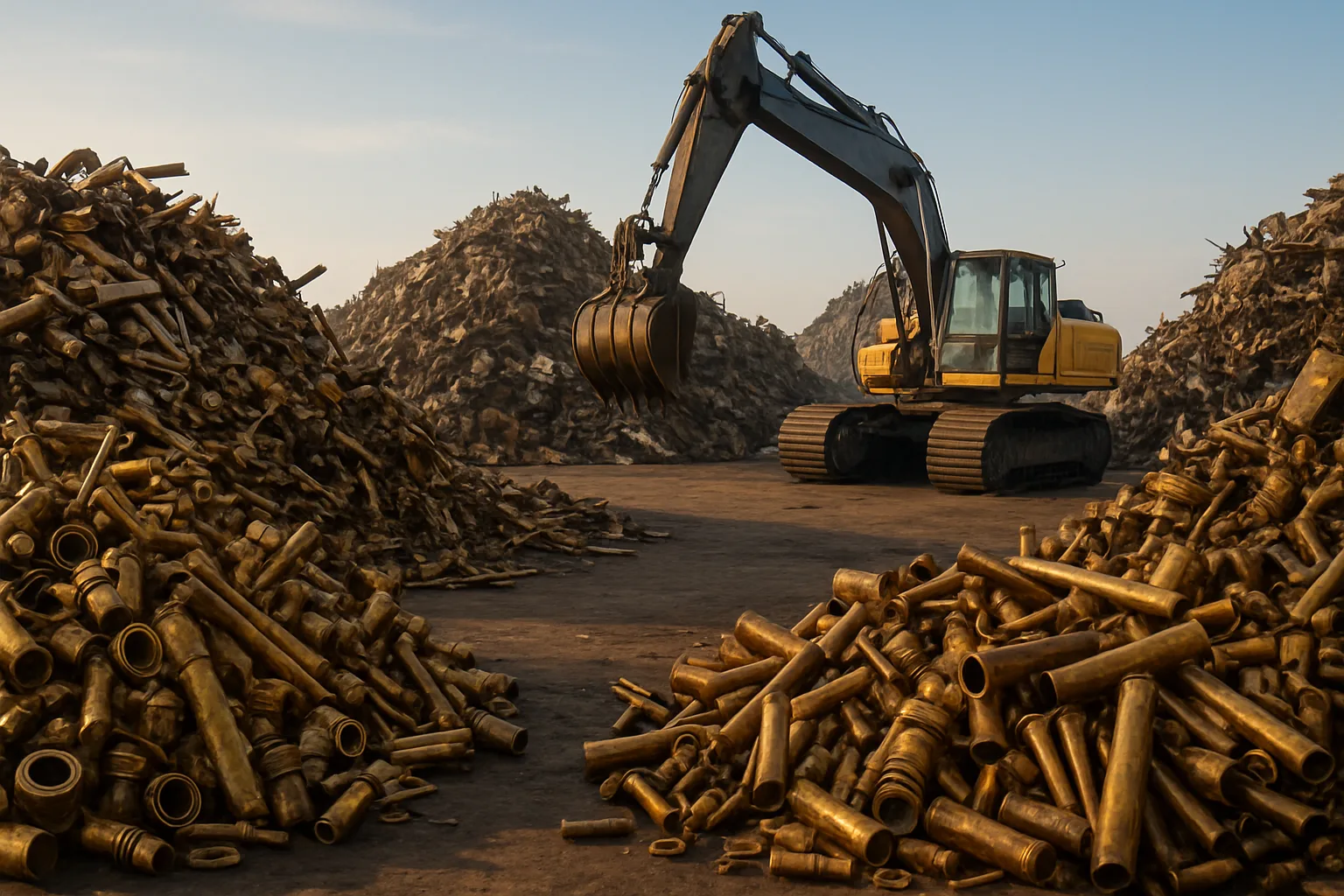
Brass and Bronze Scrap: What It's Worth and Where to Find It This Week
Most scrap yards see aluminum and steel walk through the gate all day. But brass and bronze? Those loads are worth stopping everything for. If you're sitting on a pile of old plumbing fixtures, door hardware, or industrial bushings and haven't priced them out yet, you're leaving real money on the table. Scrap metal prices today have brass trading at a significant premium over most common metals — and knowing the difference between brass and bronze can add dollars per pound to your payout.
This week's recap covers where brass and bronze come from, how to identify what you've got, what the market looks like right now, and how platforms like sell your scrap metal on the SMASH marketplace are helping sellers in Mesa and across Arizona stop guessing and start competing for better prices.
What Are Brass and Bronze — and Why Does It Matter for Scrap Metal Prices?
Brass and bronze both contain copper, which is why they command strong prices. But they're not the same alloy, and scrap yards price them differently. Getting this wrong costs you money.
Brass is a copper-zinc alloy. It's the shiny yellowish metal you find in plumbing fittings, valves, door knobs, padlocks, musical instruments, and electrical connectors. Yellow brass — the most common grade — is what most residential and commercial demolition projects produce in bulk.
Bronze is a copper-tin alloy. It's darker, harder, and typically found in industrial applications — bushings, bearings, marine hardware, gears, and pump housings. Bronze tends to trade slightly higher than yellow brass because of its tin content and the more specialized sources it comes from.
Key grades you'll encounter at the scale:
- Yellow brass — plumbing fixtures, faucets, valves, door hardware
- Red brass — higher copper content, often water meters and fire hydrant parts; prices accordingly higher
- Semi-red brass — a middle grade, common in mixed plumbing tearouts
- Bronze / bearing bronze — industrial bushings, sleeve bearings, pump components
- Brass turnings / borings — machined shop waste; lower price per pound due to oils and fines
Knowing your grade before you call a yard — or list on an auction platform — puts you in a stronger negotiating position. A load labeled generically as "yellow brass" at your end shouldn't walk out the gate for red brass prices just because the buyer didn't sort it.
Where Brass and Bronze Scrap Actually Comes From
If you're actively sourcing loads or want to build a consistent pipeline, knowing where this material generates is half the job. Brass and bronze don't come from curbside pickups. They come from specific sectors.
Plumbing and HVAC demolition is the most consistent residential and commercial source. A single gutted building can yield hundreds of pounds of yellow and red brass fittings, valves, and shut-offs. Plumbing contractors and demolition crews are worth building relationships with — they generate this material regularly and often don't have a buyer locked in.
Other strong sources include:
- Municipal and utility work — water meter changeouts, fire hydrant replacements, and valve upgrades generate significant red brass volumes. In Mesa and across Arizona, infrastructure maintenance programs run year-round.
- Machine shops and manufacturing — brass and bronze turnings come out of CNC and lathe work. Volume can be high, but you'll need to confirm the yard accepts oily turnings and at what discount.
- Electrical and industrial surplus — connectors, bus bars, and terminal blocks from electrical panels and switchgear.
- Marine and agricultural equipment — bronze fittings, propellers, and pump components from irrigation systems. Arizona's agricultural sector produces a steady stream of this material.
- Antique and estate sales — decorative bronze, candlesticks, and old hardware. Lower volume but often clean and well-graded.
If you're in Mesa or surrounding Maricopa County, construction and infrastructure activity continues to be a reliable driver of non-ferrous scrap availability. The region's growth means more demolition, more plumbing tearout, and more opportunities to source loads if you're paying attention.
What Is Brass and Bronze Worth? Reading Scrap Metal Prices Today
Brass and bronze pricing tracks copper closely. When copper moves, your brass load moves with it. That's the baseline rule. The copper content percentage in each alloy determines the price spread between grades.
As of this week, brass and bronze remain among the stronger-performing non-ferrous categories at most North American yards. Yellow brass consistently trades at a meaningful premium over aluminum — often two to three times per pound depending on the market. Red brass and bearing bronze command more, sometimes significantly more, depending on purity and demand at your local yard.
That said, posted yard prices are not the ceiling. They're often the floor — or worse, a number nobody has updated in a week. Yard-to-yard variance on non-ferrous can be wide. A few calls or a quick check on a pricing platform can expose gaps that matter on a 500-pound load.
To check current scrap metal prices before you load the truck, build it into your routine. Don't assume your regular yard is competitive just because you've been going there for years.
Factors that affect what you actually get paid:
- Cleanliness — brass with iron fittings attached gets downgraded or hand-sorted at your expense
- Grade separation — mixing red and yellow brass hurts your red brass return
- Volume — larger loads often earn better per-pound pricing
- Documentation — documented loads with photos and weights move faster on auction platforms
- Market timing — copper futures volatility can shift your payout meaningfully day to day
Disclaimer: Scrap metal prices fluctuate daily based on commodity markets, regional demand, and yard-specific pricing. Always verify current rates before selling.
How to Get Competitive Brass and Bronze Prices — The SMASH Approach
The old way: call your one buyer, take the number, load the truck. No comparison. No competition. No way to know if you got a fair price until it's already done.
The SMASH way is built around competition. When you list a load of brass or bronze on SMASH, vetted buyers bid against each other. That's how price discovery actually works — not one buyer telling you what your material is worth, but multiple buyers showing you.
For brass and bronze specifically, this matters. These are high-value, lower-volume loads where the spread between a weak offer and a strong one is real. A few cents per pound difference on 1,000 pounds of red brass is a significant dollar swing. Platforms like SMASH make that competition systematic rather than dependent on who happens to pick up the phone.
SMASH also handles the documentation side — photo uploads, weight verification, inventory tracking, and auto-invoicing. That means your load goes to market looking credible, which builds buyer confidence and reduces the back-and-forth that slows down deals.
No subscription fees. SMASH only earns when you sell. That alignment matters — their incentive is to get your load in front of the right buyers, not to collect a monthly fee whether you sell anything or not.
If you're a yard operator or a volume scrapper in Mesa or anywhere across Arizona, find the best scrap metal prices today and see what competitive bidding actually does for your non-ferrous returns.
Preparing Your Brass and Bronze Load for Maximum Value
Preparation isn't glamorous, but it directly impacts your payout. Buyers discount for anything that creates work on their end. Clean, sorted, well-documented loads earn more — full stop.
Before your load hits a scale or goes live on an auction platform, run through this:
- Remove iron and steel attachments. Valves with iron stems, brass fittings attached to steel pipe — separate them. Iron contamination drops your grade and your price.
- Sort by grade. Don't mix red brass and yellow brass in the same bin. Keep bearing bronze separate from general yellow. Label it clearly.
- Clean out the turnings. If you're selling machined brass borings, drain the cutting oil and dry the material as much as possible. Oily turnings take a discount everywhere.
- Weigh and document before you move the load. Know your weight. Take photos. If you're listing on an auction platform, this documentation is what makes buyers confident to bid.
- Note the source if it adds credibility. A load described as "municipal water meter red brass, 800 lbs, no steel" gets better engagement than "misc brass."
This isn't about being perfect — it's about removing uncertainty for the buyer, which translates directly into better offers for you. To read the latest scrap metal pricing guides and stay current on what buyers are looking for, make it a weekly habit, not an afterthought.
Weekly Market Recap: Non-Ferrous Outlook for the Week of July 5, 2026
Copper continues to be the anchor for all brass and bronze pricing. Global industrial demand, energy sector activity, and currency movement all feed into where copper trades — and by extension, where your brass loads price out.
This week, non-ferrous volumes at yards across the Southwest remain steady. Summer construction activity in Arizona keeps plumbing and HVAC tearout material moving. Industrial sources — machine shops, manufacturing — are the wildcard, with volumes depending heavily on local production activity.
If you've been sitting on a brass or bronze load waiting for prices to move, the advice is consistent: waiting rarely beats selling into a competitive market right now. Markets move in both directions, and the cost of holding material includes the time and space it occupies.
For the week ahead, SMASH continues to see activity in non-ferrous categories, particularly documented loads with clear grade separations. If you want your load in front of active buyers rather than sitting in a yard office waiting for a callback, that's where the platform earns its place.
Whether you're clearing out a job site in Mesa, running a recycling operation in the Phoenix metro, or sourcing loads across the state, the fundamentals are the same: know your grades, prepare your load, and don't take the first number you hear as the only number available. Get the best scrap metal prices for your brass and bronze — check current rates and market data at best-scrap-prices.com before your next sale.
Frequently Asked Questions
Q: What are scrap metal prices today for brass and bronze?
Brass and bronze prices fluctuate daily with copper markets. Yellow brass, red brass, and bearing bronze all trade at different rates — red brass and bronze typically command a premium over yellow brass due to higher copper content. Always verify current rates with your yard or a pricing platform before selling, as posted prices can change quickly.
Q: How do I tell the difference between brass and bronze scrap?
Brass is typically bright yellow and found in plumbing fixtures, valves, and door hardware. Bronze is darker and harder, usually found in industrial bearings, bushings, and marine fittings. When in doubt, a magnet won't help — neither is magnetic — but color, texture, and source material are reliable guides. If you're unsure, ask the yard to identify it before agreeing to a price.
Q: Where can I sell scrap metal near me in Mesa, Arizona?
Mesa has several scrap yards operating in the Maricopa County area. For competitive pricing on brass and bronze, don't limit yourself to one yard — compare rates before you commit. Platforms like SMASH connect sellers with multiple vetted buyers, which can reveal better pricing than a single yard quote. Check current rates at best-scrap-prices.com to benchmark before you call.
Q: Does the SMASH platform handle brass and bronze loads specifically?
Yes. SMASH supports non-ferrous loads including brass, bronze, copper, and aluminum. The platform's auction format means multiple vetted buyers compete for your load, which helps with price discovery on higher-value materials like red brass and bearing bronze where the spread between a low and high offer can be significant.
Q: How do I get the best scrap metal prices for a mixed load of brass and bronze?
Sort your load before selling. Mixed grades of brass and bronze get priced to the lowest grade in the pile. Separating red brass, yellow brass, and bearing bronze before you sell — and documenting the separation with photos — gives buyers more confidence to bid higher. Clean, sorted, documented loads consistently outperform unsorted material at the scale.
Follow SMASH on LinkedIn for weekly scrap metal market updates, pricing insights, and industry news across North America.
```