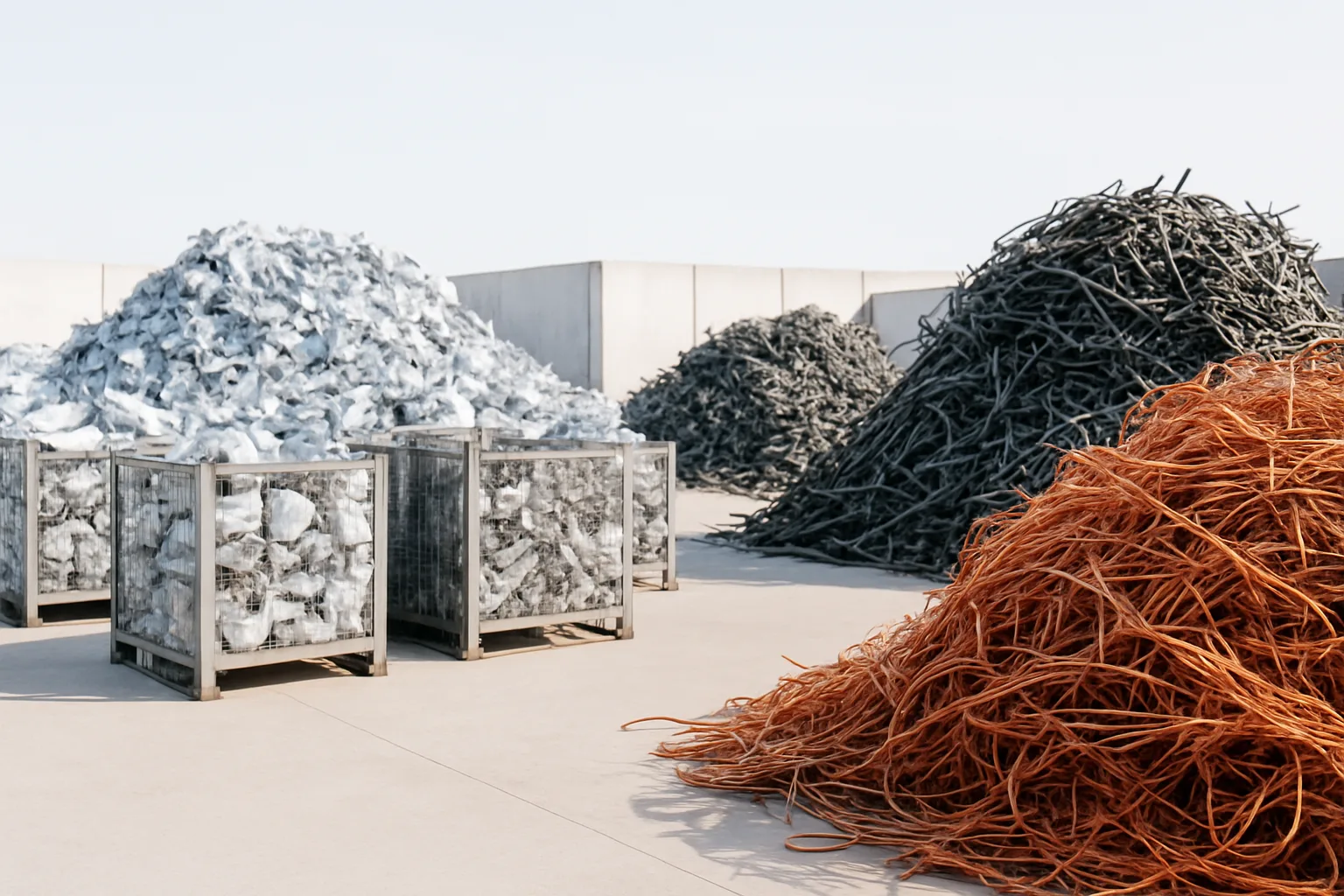
Why Small-Scale Collectors Leave Money on the Table Every Week
You're hauling copper wire, aluminum cans, and the occasional catalytic converter to your local yard — but are you actually getting paid what that material is worth? Most small-scale scrap collectors aren't. Not because they're doing anything wrong, but because the system rewards people who know how to play it. Understanding the copper scrap price today — and how it shifts day to day — is the difference between a decent payday and leaving cash behind.
This weekly recap is built for the collector who's grinding it out load by load. Whether you're working a truck route through Pennsylvania or piecing together non-ferrous from demo jobs and appliance pulls, these tips will help you tighten up your operation and stop guessing at your price.
Know What You Have Before You Pull Into the Yard
Showing up with a mixed load and no idea what's in it is the fastest way to get a low offer. Yards price by category. Bare bright copper pays more than insulated wire. #1 copper beats #2 every time. If you're dumping it all together, you're letting someone else sort — and charge you for the privilege through a lower blended rate.
Sort on your end. It takes time upfront, but it pays off at the scale. Here's a quick breakdown of common categories collectors should know:
- Bare bright copper — Clean, uncoated, unalloyed wire. Highest copper grade. Fetch the top end of the copper price range.
- #1 copper — Clean pipe and wire, no fittings, no solder. Strong price, easier to accumulate than bare bright.
- #2 copper — Painted, coated, or slightly contaminated. Still valuable, but don't expect bare bright rates.
- Insulated copper wire — Priced on a percentage of copper recovery. The thicker the wire, the better the yield.
- Aluminum — Breakage, extrusions, cast, and sheet all price differently. Don't mix them.
- Steel and iron — Lower value per pound, but weight adds up fast on demo or appliance loads.
Knowing your material gives you leverage. You walk in quoting grades, not guessing. That changes the conversation at the window.
Track the Copper Scrap Price Today — Not Last Week's Number
Copper is volatile. It moves on global demand signals, currency shifts, manufacturing data, and energy markets. The copper scrap price today can be meaningfully different from what it was Monday. If you're planning a big load drop, timing matters.
Most small collectors pick up a price once from one yard and treat it like a fixed number. It isn't. Yards adjust their buy rates based on what the commodity markets are doing. A strong session on the metals exchange can bump your payout. A weak one cuts into it. You need to check current rates regularly — not just when you're ready to sell.
That's exactly why tools like check current scrap metal prices exist. Knowing where the market sits before you load the truck lets you decide whether to hold, sell, or split your load across buyers. And yes, splitting across buyers is a legitimate strategy — more on that below.
For collectors in the Philadelphia area, the local market tends to track national copper pricing fairly closely, but individual yards set their own spreads. A yard in South Philly and one in the suburbs of Pennsylvania may quote meaningfully different rates on the same grade. Don't assume your yard is the best offer in the region.
How to Sell Scrap Copper for More — Without Hauling Farther
The old approach: call one yard, take their number, load up, drive over. That's a single data point. You're not negotiating — you're accepting. Learning how to sell scrap copper strategically means creating competition for your material, even at the small-scale level.
Here's how to do it without burning a tank of gas shopping loads around:
- Get quotes from multiple buyers before you commit. A quick call or online quote request to two or three yards takes 10 minutes and can uncover a meaningful price difference per pound.
- Build a relationship with your best yard. Consistent volume earns trust. Yards reward reliable sellers. If you're hitting the same place every week with sorted, clean material, you have standing to ask for better rates.
- Time your sells around market strength. If copper is trending up mid-week, selling Thursday can outperform a Monday drop when prices haven't adjusted yet.
- Document your loads. Photos, weights, and grades. This isn't just for your own records — it's negotiating leverage and helps with disputes.
- Use platforms designed for competition. For larger loads, compare scrap metal bids from verified buyers through auction-style platforms like SMASH. Competition reveals the market. One buyer gives you one number. Multiple buyers give you real price discovery.
SMASH is built specifically for this — getting vetted buyers competing for your material instead of leaving price to chance. No subscription fees. No guessing. The platform works on auction format, so the price reflects what the market will actually pay.
Maximize Every Load: Practical Tips for Philadelphia-Area Collectors
Running a small-scale operation in and around Philadelphia puts you in a dense, active market. There's serious infrastructure here — demo, construction, HVAC trades, auto recycling. That means material is moving constantly, and so is competition among buyers. Use that to your advantage.
A few practical moves that add up over a year of collecting:
- Source strategically. HVAC contractors, electricians, and plumbers often have copper scrap they'd rather not deal with. Build those relationships. It costs nothing to ask.
- Weight your loads before you go. A basic floor scale pays for itself fast. Knowing your weights means you can verify the yard's ticket — and dispute it confidently if something's off.
- Check catalytic converter prices before selling cats. The catalytic converter market is volatile and model-specific. A cat off a Prius and a cat off a pickup truck are priced completely differently. Use VIN lookup tools to know what you have before you accept a flat offer.
- Don't ignore steel just because it's low per pound. If you're pulling appliances or doing demo, steel and iron volume adds up. It's not copper money, but it's not nothing either.
- Keep your packing lists and BOLs organized. If you're selling loads across multiple buyers, documentation keeps your accounting clean and your liability clear.
Philadelphia and the broader Pennsylvania market also have active Philadelphia scrap metal services that cater to both casual collectors and higher-volume operations. Knowing which yards specialize in non-ferrous versus ferrous helps you route material efficiently.
To stay current on what's moving and what's paying, read the latest scrap metal pricing guides — they break down regional trends and material-specific movement that general news won't cover.
Stop Leaving Money Behind: The Real Cost of One-Buyer Dependence
If you've been selling to the same yard for years without ever checking a competing offer, you might be comfortable — but you're probably not maximizing. Loyalty is fine. Blind loyalty is expensive.
The math is simple. Say copper is paying $3.80/lb at your regular yard and $4.10/lb somewhere else — or through a competitive bid process. On a 200 lb load, that's $60 you left behind. Do that 40 times a year, and you've handed back $2,400. That's a real number for a small-scale operation.
Platforms like SMASH exist to close that gap. The auction model puts multiple vetted buyers on your load simultaneously. Instead of accepting one offer, you're letting the market set the price. More buyers means better price discovery — that's not a slogan, it's basic economics. You can find the best scrap metal prices today by creating competition, not by hoping your current yard is being generous.
The scrap industry still runs heavily on relationships and phone calls. That's fine for building trust. But when it comes to pricing, trust the market — not one buyer's margin calculation.
Weekly Market Recap: What to Watch This Week
As of this week, the non-ferrous market remains active. Copper continues to draw attention as a bellwether for industrial demand — watch manufacturing output data and energy sector activity, both of which influence copper pricing. Aluminum prices have been relatively stable, though secondary aluminum demand from automotive continues to support solid buy rates on clean cast and extrusions.
Catalytic converter pricing remains highly variable. The spread between high-value and low-value cats is wide right now, which means documentation and identification matter more than ever. Don't take a flat price on a full load of mixed cats without knowing what's in it.
Steel and iron remain steady but unspectacular. If you're sitting on a heavy ferrous load, there's no compelling reason to rush it — but no strong reason to hold either. Sell it when it's convenient and focus your energy on the non-ferrous side where the margin lives.
Disclaimer: Scrap metal prices fluctuate daily based on commodity markets, regional demand, and yard-specific factors. Always check current rates before selling. The figures and trends referenced here reflect general market conditions and should not be taken as guaranteed pricing.
Frequently Asked Questions
Q: What is the copper scrap price today in Philadelphia?
Copper scrap prices vary by grade and yard. Bare bright copper typically commands the highest rate, followed by #1 and #2 copper. Prices fluctuate daily based on commodity markets, so always check current rates before heading to the yard. Use tools like best-scrap-prices.com to get up-to-date pricing for the Philadelphia, Pennsylvania area.
Q: How do I get the best price for scrap copper in Philadelphia?
Sort your material by grade before arriving at the yard — mixed loads get blended rates that typically pay less. Get quotes from multiple buyers, time your sells around market strength, and consider using competitive bidding platforms like SMASH to let vetted buyers compete for your load. More competition means better price discovery.
Q: Does it matter which scrap yard I use in Pennsylvania?
Yes. Individual yards set their own buy rates, and the spread between yards in the same region can be meaningful — especially on non-ferrous materials like copper and aluminum. Shopping your load across two or three buyers before committing takes time, but it can add up to real money over the course of a year.
Q: What's the best way to sell a mixed load of scrap metal?
Sort it first. Separate your copper grades, pull out aluminum, and identify any catalytic converters by vehicle type before pricing. Mixed loads get lower blended rates because the yard is absorbing the sorting cost. Clean, sorted material commands stronger prices and builds your reputation as a reliable seller.
Q: How often do scrap metal prices change?
Scrap metal prices can change daily, and sometimes intra-day during active commodity market sessions. Copper is especially volatile — global manufacturing demand, currency movement, and energy market activity all influence the price. Checking rates the day you plan to sell — not the day before — gives you the most accurate picture.
If you're running a regular collecting operation, even small improvements in how you price and sell your material compound fast. Get in the habit of checking the market, sorting your loads, and letting buyers compete for your material. That's the whole game. Start by visiting best-scrap-prices.com to check current rates and make sure you're walking into every sale with real information behind you.
For ongoing market updates, industry pricing insights, and scrap news, follow SMASH on LinkedIn — it's one of the better places to keep a pulse on what's moving in the North American scrap market week to week.
```