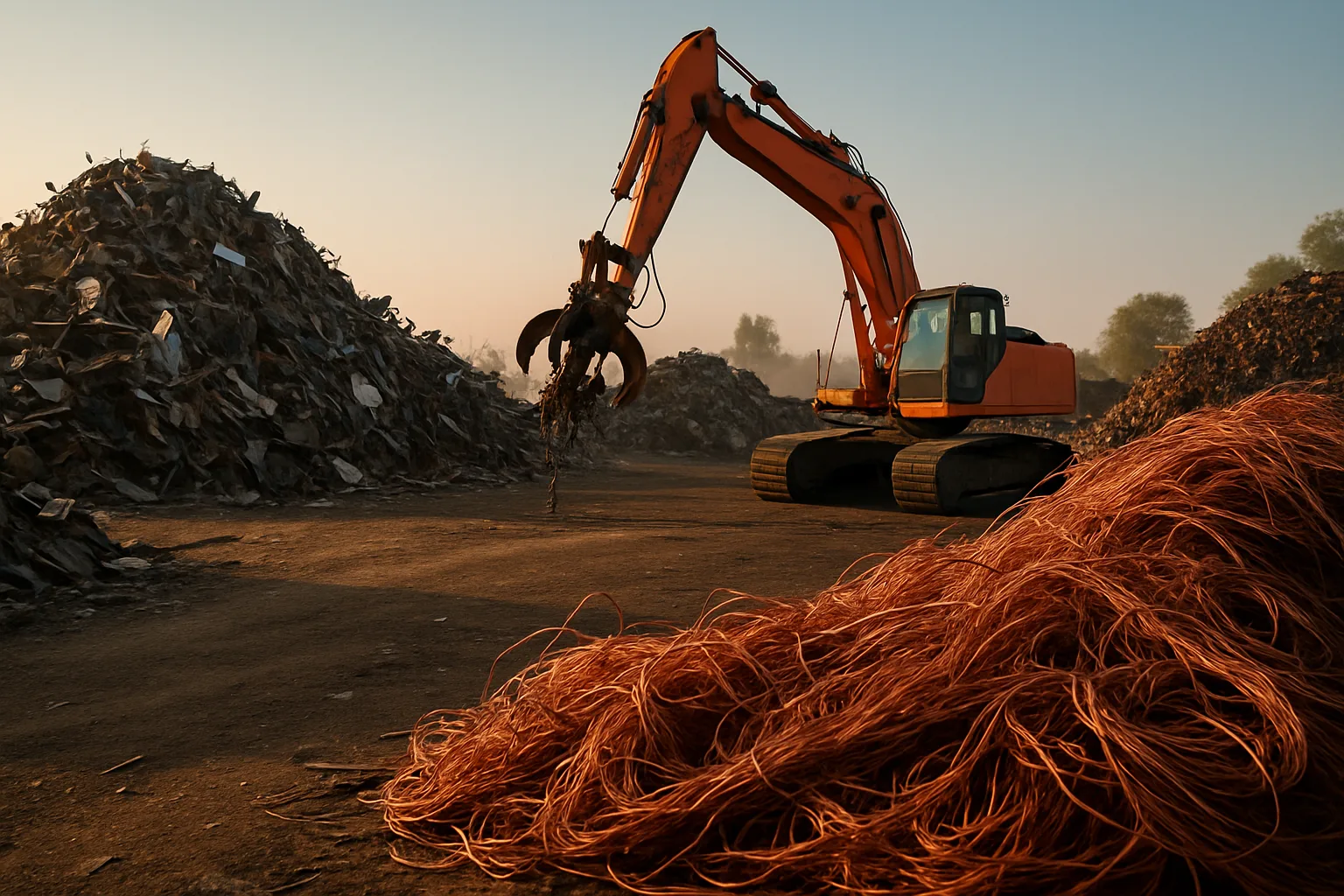
How California's Scrap Metal Regulations Affect Copper Scrap Prices in Fresno
Most sellers don't realize that environmental regulations directly influence what you get paid for your scrap. In California — one of the most regulated recycling markets in the country — compliance requirements shape everything from how yards process material to how buyers price loads. If you're selling copper scrap in Fresno and wondering why prices vary so much from yard to yard, regulation is part of the answer.
This isn't a complaint about rules. Tighter standards often mean better-documented material, cleaner loads, and more confident buyers. That confidence translates into stronger bids. Understanding the regulatory landscape helps you position your material better — and get paid accordingly.
The Environmental Rules That Shape Copper Scrap Prices in Fresno
California's Department of Toxic Substances Control (DTSC) treats many scrap operations as hazardous waste handlers. That means yards processing contaminated copper wire, stripped motors, or mixed loads face storage limits, reporting requirements, and disposal protocols that cost real money. Those costs get priced into what buyers are willing to pay — and what margins yards can offer sellers.
Here's what regulations most directly affect pricing at the yard level:
- Stormwater permits: Scrap yards in California must manage runoff from metal storage areas. Compliance costs get built into overhead.
- Air quality rules: The San Joaquin Valley Air Pollution Control District — which covers Fresno — enforces some of the strictest air standards in the country. Shredder operations, torches, and processing equipment all fall under scrutiny.
- Hazardous waste classification: Mixed loads with transformers, ballasts, or oily components can trigger hazardous material handling requirements. Clean copper commands better pricing than contaminated loads.
- Metal theft documentation: California requires detailed transaction records for copper and other non-ferrous metals. Photo documentation, ID verification, and seller records are mandatory — not optional.
- Electronic waste handling: E-scrap containing copper (circuit boards, wiring harnesses) falls under CalRecycle's e-waste rules. Processors must be certified to handle it legally.
These aren't abstract concerns. A Fresno yard that cuts corners on compliance risks fines, permit suspensions, or shutdowns. The ones running clean operations tend to attract better buyers — which is exactly where platforms like SMASH help you compare scrap metal bids from verified buyers who are operating above board.
Why Clean, Documented Material Gets Better Scrap Metal Prices in Fresno
Buyers price risk. When you hand a load of bare bright copper to a yard with zero documentation, the buyer assumes they're absorbing unknown liability. Is it stolen? Is it contaminated? Does it match the weight on the ticket? Every unknown is a discount baked into the offer.
Flip that around. A load that comes with photos, a clear description of origin, accurate weights, and a proper packing list removes that risk premium. The buyer knows what they're getting. That confidence supports stronger bids.
This matters especially for:
- Copper grades: Bare bright, #1 copper, #2 copper, and copper wire all price differently. Mixing grades — or failing to separate them — defaults to the lowest common denominator price.
- Non-ferrous loads: Aluminum, brass, and copper mixed together create sorting costs that buyers discount immediately.
- Catalytic converters: California's enhanced vehicle theft and precious metals regulations mean cats with VINs and serial tracking hold significantly more value than unverified units. Buyers in California won't touch untracked cats the way they might elsewhere.
The practical move: sort your material before you price it. Clean, graded, documented loads earn more. Every time. That's not a sales pitch — it's how buyers think about cost and risk.
5 Environmental Compliance Factors That Affect Your Scrap Metal Payout
If you're selling regularly into the Fresno market or working with a B2B scrap metal marketplace, these five factors show up in pricing conversations more often than most sellers expect.
- Material cleanliness: Contaminated copper — mixed with insulation, oil, or other metals — gets downgraded at the point of purchase. In California, yards can't easily resell contaminated loads without additional processing. That processing cost comes off your price.
- Proper waste characterization: If your load contains material that might qualify as hazardous waste under California standards, a yard accepting it takes on legal liability. Expect a lower offer — or a refusal.
- Transaction documentation: California law requires yards to record transactions. If you can't provide ID or proof of source, many reputable yards in Fresno won't complete the purchase. Compliant sellers move faster and face fewer holds.
- Permit status of the receiving yard: Not every yard in California holds a full hazardous material handler permit. The types of loads they can legally accept vary. This limits their buyer pool — which limits what they can offer you.
- Transport documentation: Moving large loads of non-ferrous metals in California requires proper bills of lading and, for certain material types, additional manifests. Buyers requesting BOLs aren't being difficult — they're staying compliant.
Want to find the best scrap metal prices today without running into compliance roadblocks? Start by knowing which category your material falls into before you call a yard.
How Fresno's Location Affects the Scrap Metal Market
Fresno sits in the middle of the San Joaquin Valley — geographically convenient but also subject to some of the toughest air quality enforcement in California. The Valley's air basin doesn't disperse pollutants the way coastal regions do, which is why the San Joaquin Valley Air Pollution Control District operates with stricter industrial limits than much of the state.
For scrap sellers, this matters because it affects which processing operations can run in the Fresno area and at what scale. Yards with shredders face significant permitting costs. Smaller operations that hand-sort and bale material face fewer air quality obligations — but also have less processing capacity.
The result is a market where finding the right buyer for your specific material type isn't as simple as calling the closest scrap yard near me. Grade, volume, and material type all determine which buyers in and around Fresno can actually process what you have — and what they'll pay for it.
Platforms built for competitive bidding solve this directly. Instead of calling three local numbers and guessing which one will give you a fair price, you're putting documented loads in front of multiple vetted buyers simultaneously. That's how the B2B scrap metal marketplace model works — and why it produces better price discovery than a single cold call ever can.
Using SMASH to Navigate Compliance and Get Competitive Copper Prices
SMASH was built for exactly this kind of complexity. The platform's inventory tools let you document material with photos, weights, and descriptions before a load ever goes to market. Serial tracking for catalytic converters. VIN lookup for automotive cores. Auto-invoicing that creates a paper trail buyers trust and regulators can't argue with.
In a market like California — where documentation isn't optional — that infrastructure matters. Buyers bidding on SMASH listings know the material has been characterized properly. That reduces their risk. Reduced risk means stronger bids.
There are no subscription fees. SMASH only wins when the seller wins. That alignment keeps the incentive structure clean: better documentation, better presentation, more buyer competition, stronger prices.
If you've been relying on one local buyer and a handshake price, you don't actually know what your material is worth. More buyers means better price discovery. That's not a promise — it's how competitive markets work. You can read the latest scrap metal pricing guides to understand current market dynamics before your next transaction, and check current scrap metal prices to benchmark what you should be targeting.
Scrap metal prices fluctuate daily based on global commodity markets, freight costs, and downstream demand. Copper, aluminum, steel, and catalytic converter prices all move independently. Always verify current rates before committing to a sale.
If you're selling scrap metal in Fresno and want to know your material is being priced accurately and fairly, start with documentation, sort your grades cleanly, and put your loads in front of more than one buyer. That's the discipline that consistently produces better outcomes — regardless of where the market sits on any given day. Get the best scrap metal prices — check rates at best-scrap-prices.com before your next load ships.
Frequently Asked Questions
Q: How do environmental regulations in California affect copper scrap prices in Fresno?
California's compliance requirements — including DTSC rules, air quality permits, and mandatory transaction documentation — add operational costs for scrap yards. Those costs influence the margins yards can offer sellers. Clean, well-documented material avoids additional processing fees and typically attracts stronger bids from compliant buyers.
Q: Why do copper prices vary so much between scrap yards near me in Fresno?
Grade, volume, contamination level, and the yard's own buyer relationships all affect the price they can offer. A yard with limited permitted processing capacity or a single downstream buyer has less flexibility than one connected to a competitive pool of vetted purchasers. That's why getting multiple bids matters.
Q: What documentation do I need to sell copper scrap legally in California?
California law requires valid government-issued ID, transaction records, and in many cases photo documentation of the material being sold. Some yards also require proof of source for large loads or certain material types. Compliant sellers process faster and face fewer payment holds.
Q: Does SMASH handle scrap metal pickup near me logistics in Fresno?
SMASH connects sellers with vetted buyers who manage their own logistics. The platform handles inventory documentation, competitive bidding, and auto-invoicing — so the transaction is clean and traceable from listing to payout. Logistics arrangements are coordinated directly with the winning buyer.
Q: How often do copper scrap prices change in the Fresno market?
Copper prices move with global commodity markets and can shift daily. Local factors like regional demand, freight costs, and yard capacity also influence what you're offered on any given day. Always check current rates before finalizing a sale — pricing guides and live market data at best-scrap-prices.com give you a real benchmark.
Stay current on scrap metal market trends and pricing shifts — follow SMASH on LinkedIn for industry updates, market insights, and practical guidance for scrap sellers across North America.