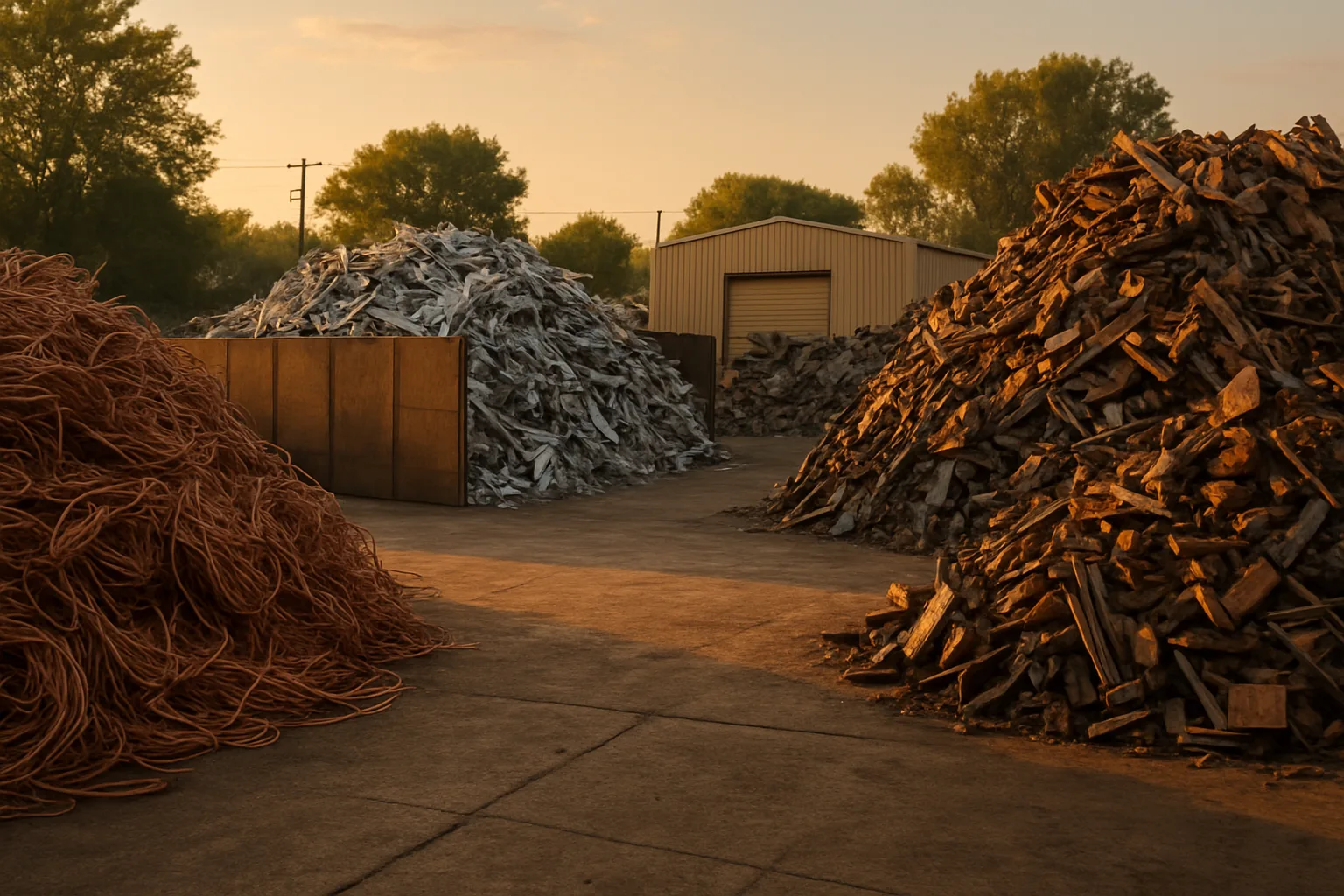
Ferrous vs. Non-Ferrous Scrap: What New York Sellers Need to Know to Get Paid Right
Most scrap yards in New York will pay you — but not all of them will pay you well. One of the biggest reasons sellers leave money on the table? They don't know what they're actually hauling. Ferrous and non-ferrous metals price out completely differently, and lumping them together at drop-off is a fast way to get the low end of the range. If you're serious about scrap metal prices New York, you need to know which pile is which before you pull up to the scale.
This breakdown covers the key differences, what each material is worth, and how platforms like SMASH make it easier to get competitive bids for your scrap metal instead of settling for whatever one buyer feels like offering that day.
The Core Difference Between Ferrous and Non-Ferrous Metals
Here's the short version: ferrous metals contain iron. Non-ferrous metals don't. That single difference drives everything — how they're priced, how they're processed, and how much they're worth per pound.
Grab a magnet. Stick it to your material. If it holds, you've got ferrous. If it slides off, you're likely holding something more valuable. That's not a perfect test — some stainless steels are non-ferrous but still magnetic — but it's a solid starting point for sorting your load before you get to the yard.
Common ferrous metals in the scrap stream:
- Structural steel (beams, angle iron, channels)
- Cast iron (engine blocks, radiators, old pipe)
- Wrought iron (fencing, decorative metalwork)
- Sheet metal (car bodies, appliance shells)
- Rebar and plate steel
Common non-ferrous metals in the scrap stream:
- Copper (wire, pipe, bus bars, motors)
- Aluminum (extrusions, sheet, cast, breakage)
- Brass (valves, fittings, spent casings)
- Stainless steel (food-grade equipment, kitchen fixtures)
- Lead (wheel weights, cable sheathing)
- Nickel alloys and titanium (industrial and aerospace)
- Catalytic converter cores (platinum, palladium, rhodium)
The separation matters because yards price these categories independently. Mixing grades or showing up with an unsorted load almost always costs you money — you get the lowest common denominator price on everything.
Why Non-Ferrous Scrap Metal Prices Run Higher
Non-ferrous metals are rarer, harder to produce from raw ore, and more energy-intensive to manufacture. Recycling them is significantly cheaper than primary production — which is exactly why buyers pay more for clean, sorted non-ferrous material. The copper scrap price today is a good benchmark for how volatile and valuable this category can be. Copper consistently prices in dollars per pound rather than the cents-per-pound range you'll see for most ferrous grades.
In markets like New York, where construction activity, electrical infrastructure upgrades, and HVAC work generate a constant stream of copper pipe and wire, the non-ferrous supply is real — but so is the competition to buy it. More buyers chasing the same material means price discovery matters. One phone call to one buyer doesn't tell you what the market will actually pay.
A few non-ferrous benchmarks to understand (always verify current rates — prices move daily):
- Copper wire (bare bright): The top-tier copper grade. Must be clean, uncoated, and unalloyed. Commands the highest copper price in the yard.
- Copper pipe (clean #1): Slightly lower than bare bright. Fittings and oxidation reduce the grade.
- Aluminum extrusions: Steady demand from window, door, and construction trades. Price varies by alloy and cleanliness.
- Brass (yellow and red): Plumbing trade generates a lot of this. Mixed brass prices lower than segregated red or yellow brass.
- Catalytic converters: Precious metal content (platinum, palladium, rhodium) makes these high-value cores — but also one of the most price-volatile items in the scrap stream.
How to Sell Scrap Iron and Steel Without Getting Shortchanged
Ferrous scrap isn't glamorous, but volume can add up fast — especially if you're running a demo crew, a construction site, or a junk removal operation across New York. Knowing how to sell scrap iron the right way keeps you from treating it like a zero-value disposal item.
Steel and iron are priced by the gross ton or net ton depending on the buyer. The key variables that move the needle on your ferrous price:
- Size and prep: Most yards want ferrous cut or sheared to specific lengths (typically under 5 feet). Oversized material gets docked or rejected.
- Contamination: Rubber, plastic, wood, and non-metallic attachments reduce grade. Strip what you can before you load.
- Grade separation: Cast iron prices differently from sheet steel. Heavy melting steel (HMS) is a different category from plate and structural. Know what you have before you price it.
- Load size: Larger loads get better per-ton rates. If you can aggregate material across jobs, you move up the pricing tier.
- Timing: Ferrous prices track global steel markets. Timing a sale when mill demand is strong can meaningfully improve what you get per ton.
The mistake most casual sellers make is treating ferrous scrap as a commodity where every yard pays the same. They don't. Getting quotes from multiple buyers — even on a load of HMS — can reveal meaningful price spread, especially in a high-volume market like scrap metal recycling New York.
Scrap Metal Auction Platforms vs. One-Call Selling: The Price Discovery Problem
Here's the old model: you call your regular buyer, they quote you a price, you load the truck and go. Maybe you get a fair number. Maybe you don't. You have no way of knowing, because you only asked one person.
That's a broken information system. And it costs sellers real money, especially on high-value non-ferrous loads like copper, aluminum, or cats.
A scrap metal auction platform like SMASH flips that dynamic. Instead of one call, your load goes in front of vetted buyers who compete for it. Competition reveals the market. The spread between what one buyer offered and what a competitive auction produces can be significant — particularly for specialty loads, high-grade non-ferrous, or well-documented cat cores with VIN and serial tracking.
SMASH also handles the documentation side — photo documentation, packing lists, BOLs, inventory tools — so buyers have more confidence in what they're bidding on. A documented load with clear photos of your copper grade or your catalytic converter condition gets better engagement than a vague description and a guess. For sellers in New York, where load sizes and material diversity can be substantial, that infrastructure matters.
Whether you're running a yard in the Bronx, managing industrial demolition material from a Manhattan job site, or clearing inventory from a Long Island facility, you can find the best scrap metal prices today without cold-calling a list of buyers and hoping someone answers.
Sorting Your Load: A Practical Checklist Before You Sell
Good sorting habits are where sellers get paid. A mixed, contaminated load always prices to the lowest grade in the pile. Clean, sorted, documented material prices to its actual grade. Here's what to do before your load goes anywhere:
- Separate ferrous from non-ferrous. Run the magnet test. Keep them physically apart on the truck if possible.
- Sort non-ferrous by type. Copper separate from aluminum. Brass separate from stainless. Mixed non-ferrous gets mixed pricing — which means lower pricing.
- Grade your copper. Bare bright, #1 copper, #2 copper, and insulated wire all price differently. Don't strip wire you don't need to strip, but know what you have.
- Pull your catalytic converters. Cats need VIN or serial documentation in New York and across most of the state to comply with current regulations. Platforms like SMASH build that tracking into the process.
- Photograph everything. Before you seal the load. Buyers bid higher on documented material. This is especially true on high-value non-ferrous or specialty loads.
- Know your weight estimates. You don't need to be perfect, but a reasonable weight estimate helps you evaluate bids intelligently.
Want to stay current on what specific materials are fetching right now? Read the latest scrap metal pricing guides to track grade-level price movement across copper, aluminum, steel, and more.
Get the Price Your Metal Actually Deserves
The difference between ferrous and non-ferrous isn't just chemistry — it's dollars. Sellers who sort, document, and get competitive bids consistently do better than those who call one buyer and take whatever they're offered. That's true whether you're moving a pickup load of copper pipe or a full container of HMS from a New York demolition site.
SMASH exists because the single-buyer phone call is a broken system. Vetted buyers, competitive bids, and real documentation give your load the exposure it deserves. No subscription fees. You only pay when you sell.
If you're ready to stop guessing and start knowing what your scrap is worth, check current scrap metal prices and put your material in front of buyers who compete for it. That's how you get the best scrap prices — not by luck, but by structure.
Price disclaimer: All scrap metal prices fluctuate daily based on commodity markets, regional demand, and material grade. Never rely on static price lists. Always verify current rates before selling.
Frequently Asked Questions
Q: What are the most valuable non-ferrous scrap metals I can sell in New York?
Bare bright copper wire and clean #1 copper pipe consistently rank among the highest-value materials in the New York scrap market. Catalytic converter cores, brass fittings, and aluminum extrusions also generate strong returns when properly sorted and documented. The cleaner and better-sorted your material, the higher the price you can realistically expect.
Q: How do scrap metal prices in New York compare to other regions?
New York's dense construction activity, industrial base, and port access create strong buyer demand for both ferrous and non-ferrous material — which generally supports competitive pricing relative to rural markets. That said, prices fluctuate with global commodity markets regardless of location. Using a platform that brings multiple buyers to your load helps you capture the best regional price available on any given day.
Q: Do I need documentation to sell catalytic converters in New York?
Yes. New York state regulations require documentation for catalytic converter sales, including VIN or serial number tracking to establish legal ownership. Selling through a platform like SMASH that has built-in serial tracking and documentation tools helps you stay compliant and typically results in better bids because buyers have more confidence in the material's provenance.
Q: What's the easiest way to get competitive scrap metal prices for my load?
Sort your material by grade and type, photograph it, and get bids from more than one buyer. A scrap metal auction platform gives you access to vetted buyers who compete for your load — which is a more reliable way to discover the market than a single phone call. New York scrap metal services can connect you with local buyers and current pricing information for your specific material.
Q: Is ferrous scrap worth selling, or should I focus only on non-ferrous?
Both are worth selling — the math just works differently. Ferrous material (steel, iron, cast) prices lower per pound but often moves in larger volumes, so tonnage adds up. Non-ferrous material like copper and aluminum prices significantly higher per pound and is worth separating carefully before sale. The biggest mistake is mixing grades or combining ferrous and non-ferrous in one load, which forces everything to price at the lowest rate.
Stay ahead of the scrap market — follow SMASH on LinkedIn for industry updates, pricing insights, and practical guides for scrap sellers across North America.