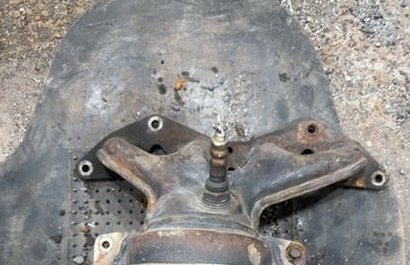
Your catalytic converter could be worth more than your entire engine — and most scrap sellers have no idea. If you're hauling vehicles or pulling parts in Riverside, California, understanding how catalytic converter recycling works isn't optional. It's the difference between leaving serious money on the table and getting paid what your load is actually worth.
Prices for catalytic converters swing wildly — sometimes hundreds of dollars on a single unit — depending on factors most sellers never think to ask about. This guide breaks down exactly how the recycling process works, why prices vary so dramatically, and how to position yourself to find the best scrap metal prices today when you're ready to sell.
What Actually Happens When a Catalytic Converter Gets Recycled
Most people treat a catalytic converter like any other scrap part — weigh it, price it, move on. That's a mistake. Cats aren't priced like steel or aluminum. They're priced based on what's inside them: platinum group metals, or PGMs.
The three metals that matter are platinum (Pt), palladium (Pd), and rhodium (Rh). These are among the rarest and most valuable metals on earth. A single catalytic converter can contain anywhere from 3 to 7 grams of PGMs, but the exact mix and concentration varies by make, model, engine size, and even which plant assembled the vehicle.
Here's how the recycling process actually flows:
- Collection and sorting — Converters are sorted by type. Foil cats (from diesel engines) are separated from ceramic monolith units (more common in gas vehicles). Foreign vs. domestic also matters.
- Decanning — The outer steel shell is removed to expose the ceramic or metallic substrate inside.
- Sampling and assay — The substrate is crushed, blended, and sampled. Labs test a small portion to determine the exact PGM content per unit.
- Smelting and refining — The substrate is processed at high heat. PGMs are separated and refined into tradeable metal.
- Settlement — The refiner pays based on the assay results and current PGM spot prices on the London Bullion Market or NYMEX.
That entire process takes time — sometimes weeks. Which is why most sellers in Riverside and across California don't wait for refinery settlement. They sell to a middleman who takes on that process and risk. The spread between what you get from a middleman and what the refiner eventually pays is where the real money lives.
Why Catalytic Converter Prices Vary So Much
Two converters sitting side by side at a yard can be worth $40 and $400 respectively. That's not random. It comes down to a handful of factors that experienced buyers know cold — and sellers often don't.
PGM content by vehicle type. A Toyota Prius catalytic converter consistently commands premium prices because hybrid systems push more exhaust through a single converter, which forces the system to work harder and pack more PGM loading. A base model domestic compact? Much lower loading, much lower price.
Condition of the substrate. A cracked, loose, or rattling substrate means the ceramic has broken down. That reduces recoverable surface area and PGM content. A converter that sounds hollow when tapped may have a collapsed honeycomb — worth significantly less than an intact unit.
PGM spot prices. Rhodium famously spiked to over $20,000 per troy ounce in prior years, then corrected hard. Palladium and platinum also move constantly based on mining output (heavily concentrated in South Africa and Russia), automotive demand shifts, and macroeconomic factors. When spot prices move, cat prices move — sometimes overnight.
Market transparency — or the lack of it. If you're calling one buyer and taking their number, you have no idea if that's a fair price. The old way of selling cats is exactly the same broken model as every other scrap category: one call, one price, no competition. Platforms like get competitive bids for your scrap metal exist specifically to fix that problem.
How Scrap Yards Price Catalytic Converters — And What You Should Know
Most scrap yards use a pricing database — the two dominant ones in North America are Eco Cat and Specialty Metals Smelters and Refiners (SMSR). Buyers look up your converter by serial number or visual identification, pull the current price, and offer you a percentage of that figure.
What percentage? That depends on the yard, the market, your relationship with the buyer, and how badly they need your volume. A yard doing high-volume cat buying will often offer tighter margins than a general scrap yard that rarely sees cats. But even the best buyer isn't going to hand you their full margin.
This is where serial number tracking and photo documentation change the game. When you show up with documented inventory — serial numbers recorded, photos taken, condition noted — you're not a random seller with a mystery load. You're a seller with verifiable product. That documentation gives buyers confidence. It also gives you leverage to push back if an offer seems low.
SMASH's inventory tool includes serial tracking and photo documentation built right into the workflow. When your load is documented, vetted buyers on the platform can bid competitively rather than guessing at what they're buying. More confidence for buyers generally means better price discovery for sellers.
Selling Catalytic Converters in Riverside: What the Local Market Looks Like
Riverside sits in the middle of one of the highest-volume vehicle markets in the country. Southern California moves cars. That means there's a consistent supply of catalytic converters flowing through the region — from auto recyclers, tow yards, body shops, and individual sellers pulling parts.
High supply should mean competitive buying. In practice, it often doesn't — because most sellers default to the same two or three local buyers they've always used. You're not getting the benefit of that competition if you're not putting your load in front of multiple buyers.
California also has specific regulations around catalytic converter sales that sellers need to stay current on. California law requires sellers of used catalytic converters to provide documentation proving legal ownership — and buyers are required to record seller information. If you're selling in Riverside or anywhere in California, make sure your paperwork is clean. Sloppy documentation doesn't just slow down your sale — it can kill it entirely.
Want to check current scrap metal prices and understand where the market is today before you sell? That's the right move. Walking into a negotiation without knowing current PGM spot prices puts you at a structural disadvantage.
How to Get Better Prices for Your Catalytic Converter Load
The sellers who consistently get strong prices for their cats aren't lucky. They do a few specific things that most sellers skip.
Document before you sell. Record serial numbers for every unit. Take photos. Note condition. This takes time upfront but creates a documented load that buyers can assess accurately — and bid on confidently.
Know your units. Not all cats are equal. Separate your high-value units (late-model imports, hybrids, trucks with large displacement engines) from your standard domestic converters. Mixing them together in a single price negotiation usually means you get averaged down.
Get multiple bids. This one sounds obvious and almost nobody does it consistently. Calling two buyers instead of one can reveal significant price differences on the same load. A scrap metal auction format takes this further — putting your documented load in front of vetted buyers who compete for it.
Watch spot prices. Palladium and platinum move. If you're sitting on a load and PGM prices have been rising, holding briefly while the market firms up can make sense. If prices have been dropping, move fast. Either way, you need to know where spot prices are, not just trust that your buyer is reflecting current market rates.
Use platforms built for this. SMASH was built for exactly this kind of sell — documented loads, vetted buyers, competitive bids, no subscription fees. You only pay when you sell. That's the model that makes sense for sellers who want real market exposure without locking into a monthly platform cost. To read the latest scrap metal pricing guides and stay sharp on where prices are headed, make that part of your regular research habit.
The Bottom Line on Catalytic Converter Recycling
Catalytic converter recycling is more complex than most scrap categories — but that complexity is also what creates pricing opportunity. The sellers who understand PGM content, document their inventory, and expose their loads to real buyer competition consistently outperform those who rely on a single phone call to a familiar buyer.
If you're operating in Riverside or anywhere in California, the market is active and buyers are out there. The question is whether they're competing for your load or just offering you a number with no pressure to perform. Competition can help reveal the market. More buyers mean better price discovery. That's not a slogan — it's how markets actually work.
Ready to stop guessing? Get the best scrap metal prices for your catalytic converters and non-ferrous loads by checking current rates and market data at best-scrap-prices.com — and put your documented loads in front of buyers who have to compete to win them.
Frequently Asked Questions
Q: How do I find the best place to sell scrap metal near me in Riverside?
Start by checking current market prices before you walk into any yard. Knowing where PGM spot prices and base metal prices sit gives you a baseline for evaluating any offer. For catalytic converters specifically, documented loads with serial numbers typically attract stronger, more confident bids. Using an auction-based platform puts your load in front of multiple vetted buyers rather than relying on a single yard's offer.
Q: Why does my catalytic converter price change from week to week?
Catalytic converter prices are tied directly to platinum, palladium, and rhodium spot prices, which trade daily on global commodity markets. When PGM prices move, cat prices move with them — sometimes significantly. A quote from two weeks ago may be materially different from today's price. Always check current spot prices before selling a significant load.
Q: Can I sell catalytic converters in California without paperwork?
No. California law requires sellers of used catalytic converters to provide documentation establishing legal ownership, and licensed buyers are required to record seller information at the time of purchase. Selling without proper documentation can result in your sale being refused or, worse, legal complications. Keep clean records and make sure your documentation is in order before you go to sell.
Q: What makes a catalytic converter worth more money?
The primary driver is PGM loading — how much platinum, palladium, and rhodium the unit contains. High-value units typically come from hybrid vehicles (like the Toyota Prius), large displacement trucks, and late-model imports. Condition also matters: an intact ceramic substrate in good shape recovers more PGM than a cracked or rattling unit. Make, model, and even production year all affect the price database value a buyer will reference.
Q: Is a scrap metal auction better than selling directly to a local yard in Riverside?
For standard commodity loads, a local yard with a fair price can work fine. For higher-value categories like catalytic converters — where prices vary significantly between buyers — auction-format selling puts your documented load in front of multiple vetted buyers who compete for it. That competition can help reveal the true market value of your load rather than leaving you to accept the first number you hear.
Follow SMASH on LinkedIn for industry updates, PGM market insights, and scrap metal pricing news delivered straight to your feed.
```