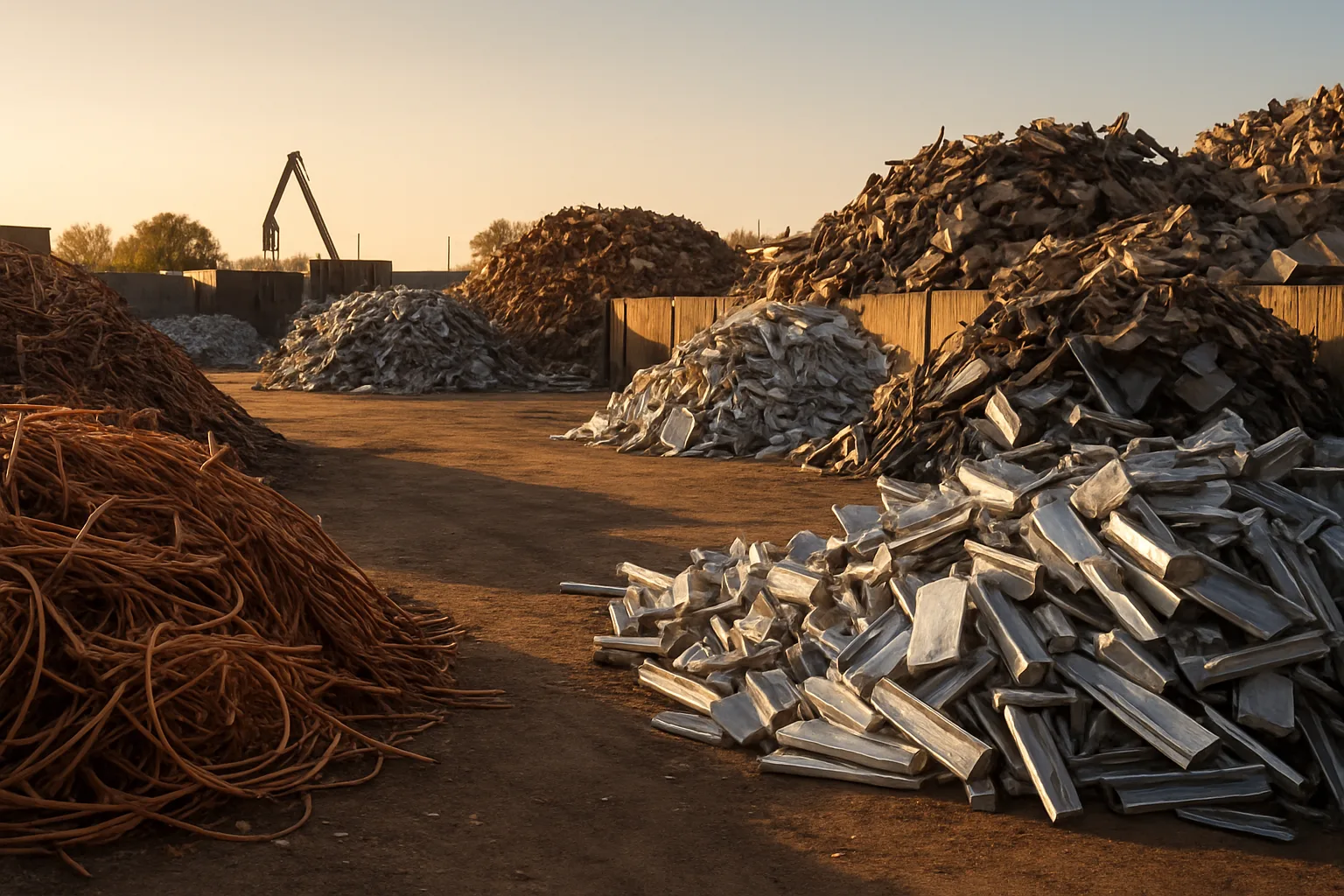
Most people walk past brass and bronze without a second thought. That's a mistake — these alloys can be worth serious money, and sellers who know what they're holding consistently get better prices than those who don't. If you're trying to get a handle on scrap metal prices today, brass and bronze are two categories worth understanding before you load up and drive to the yard.
This guide breaks down what brass and bronze actually are, where to find them, what drives their value, and how to get the most out of every load — whether you're clearing out a single job site in Denver or moving volume on a regular basis across Colorado.
---Brass vs. Bronze: What's the Difference and Why Does It Matter?
Brass and bronze get lumped together constantly. They look similar, they feel similar, and both are copper-based alloys — but they're not the same, and yards price them differently. Getting the distinction right before you show up matters.
Brass is an alloy of copper and zinc. It's the shiny yellow-gold metal you'll find in plumbing fixtures, valves, fittings, door hardware, shell casings, and musical instruments. Bronze mixes copper with tin — and sometimes aluminum, manganese, or other elements. It's harder and darker, and it shows up in bushings, bearings, marine hardware, sculptures, and industrial equipment.
- Yellow brass — most common, used in plumbing and fixtures
- Red brass — higher copper content, worth more per pound
- Mixed brass — lower grade, includes chrome-plated or contaminated pieces
- Bronze — typically priced between yellow and red brass depending on alloy
- Brass radiators — graded separately, often at a lower rate due to solder content
Misidentifying your material is one of the most common ways sellers leave money on the table. A load of red brass quoted as yellow brass costs you real dollars. Know what you've got before you find the best scrap metal prices today and head to the yard.
---Where to Find Brass and Bronze Scrap — Sources That Actually Pay Off
You don't have to work in heavy industry to accumulate valuable brass and bronze. These materials show up across residential, commercial, and industrial settings — and once you start looking, you'll find them everywhere.
Residential and Construction Sources
Home renovation projects are one of the most consistent sources of brass scrap. Old plumbing tear-outs, valve replacements, and fixture swaps generate steady volume. A single bathroom gut can produce several pounds of brass fittings, shutoff valves, and supply lines. Kitchen remodels often turn up brass faucet bodies, which are dense and clean.
- Plumbing valves, ball valves, and gate valves
- Brass faucets and faucet stems
- Door knobs, hinges, and locksets
- Electrical conduit fittings and connectors
- Old light fixtures and lamp hardware
- Shell casings (check local regulations on transport)
Industrial and Commercial Sources
Industrial facilities are where volume gets serious. Fluid handling systems, HVAC equipment, and manufacturing machinery all use brass and bronze components. Maintenance shops often accumulate worn bushings, valve bodies, and pump components over time — material that's worth pulling out rather than scrapping in a mixed bin.
- Industrial pumps and pump housings
- Bronze bushings and sleeve bearings
- HVAC valve manifolds
- Marine hardware (propeller shafts, through-hulls)
- Fire sprinkler system components
- Old radiators (automotive and industrial)
If you're in Denver and working in industrial districts near the South Platte corridor or in the Commerce City area, you're already in territory where this kind of material moves regularly. Knowing your grades before you pull up to the scale makes a measurable difference. For local guidance, check out Denver scrap metal services to see what's moving in your market right now.
---Scrap Metal Prices Today: What Brass and Bronze Are Worth
Brass and bronze prices track copper — and copper is one of the most actively traded industrial metals in the world. When copper moves, brass and bronze follow. The spread between grades matters: red brass, with its higher copper content, typically commands a meaningfully higher price per pound than yellow brass or mixed brass.
Disclaimer: Scrap metal prices fluctuate daily based on commodity markets, regional demand, and yard conditions. Always check current scrap metal prices before making a run — the numbers shift more than most sellers expect.
Here's what influences your price in 2026:
- Copper futures — the foundation that brass and bronze prices are built on
- Material cleanliness — chrome-plated, painted, or contaminated brass grades down fast
- Lot size — larger, sorted loads get better per-pound offers at most yards
- Regional demand — what buyers in your area actually need affects local premiums
- Alloy composition — more copper means more value, full stop
One factor that doesn't get enough attention: how many buyers are actually competing for your material. If you're calling one yard and taking their number, you're pricing blind. More buyers mean better price discovery — that's not theory, it's basic market logic.
This is where a scrap metal auction platform changes the game. Instead of accepting one offer from one yard, you put your load in front of multiple vetted buyers and let competition work. SMASH Scrap — where verified buyers bid on your metal — is built exactly for this. No subscription fees. No guessing. You see what buyers actually think your material is worth.
---How to Prep Your Brass and Bronze to Get Maximum Value
Prep work isn't glamorous, but it's one of the fastest ways to improve what you walk away with. Yards apply aggressive discounts for contaminated or unsorted loads — and some of those discounts are entirely avoidable with twenty minutes of work at your facility.
Sort by Grade
Don't mix red brass with yellow brass. Don't toss bronze bushings in with plumbing fittings. Each material has its own price tier, and mixing them forces the yard to price the entire load at the lowest grade present. Sort it once, get paid right every time.
Clean What You Can
Steel fittings, rubber gaskets, and plastic components attached to brass fixtures drag your price down. A pocket knife and a few minutes of stripping saves real money. You don't need to get to laboratory-clean — just get to "clearly brass" and remove the obvious attachments.
Document Your Load
Photo documentation of your material before it leaves your facility creates a record and protects you in disputes. Platforms like SMASH use photo documentation and inventory tracking as a standard part of the process — buyers see what they're bidding on, and sellers have backup if anything's questioned at settlement.
Know Your Weight Before You Go
If you're moving any real volume, a shop scale saves you from surprises at the gate. Know your approximate weight coming in so you can verify the yard's ticket matches your expectation. In Colorado, certified scales are legally required at scrap facilities — but knowing your own numbers gives you a check against errors.
For sellers who want to go deeper on market trends and strategy, read the latest scrap metal pricing guides to stay current on what's moving and what to expect across different material categories.
---Selling Brass and Bronze in Denver — What Local Sellers Need to Know
Denver's scrap market is competitive, and that's actually good for sellers. The Front Range has a dense enough buyer base that material moves, and non-ferrous metals like brass and bronze don't sit around. But competitive doesn't mean all yards are paying the same — they're not, and the spread between the best and worst offers on a clean load of red brass can be significant.
Colorado sellers dealing in brass and bronze should be aware of a few regional factors that affect pricing in 2026:
- Freight costs to downstream processors add margin pressure on local yards, which can compress offers on slower weeks
- Construction activity on the Front Range continues to generate plumbing scrap — supply is real, and savvy buyers know it
- Seasonal patterns matter: summer construction season typically means higher non-ferrous volumes hitting yards from June through August
The practical answer to all of this is competition. Don't let one buyer set your price. Whether you're a contractor clearing a job site or a recycling yard looking to move accumulated non-ferrous material, putting your load in front of multiple buyers through a platform like SMASH gives you actual market visibility — not just one yard's number on a slow Tuesday afternoon.
If you're selling scrap metal regularly in Denver, the difference between reactive selling (one call, one offer) and strategic selling (documented inventory, multiple bids, market context) compounds over time. The yards aren't leaving money on the table. Neither should you.
Whether you're just getting started or you're moving loads weekly, the right starting point is data. Get the best scrap metal prices and check what your material is worth today at best-scrap-prices.com — then go into your next transaction knowing your number.
---Frequently Asked Questions
Q: How do I know if my scrap is brass or bronze?
Brass tends to be brighter yellow-gold and is used heavily in plumbing, door hardware, and shell casings. Bronze is darker and more reddish-brown, and it's typically found in bearings, bushings, and marine or industrial equipment. If you're unsure, a quick scratch test or an acid test kit can help identify copper content — or ask your yard to identify the material before they weigh it.
Q: What are scrap metal prices today for brass in Denver?
Brass prices fluctuate daily based on copper futures and local yard conditions. Rather than citing a number that could be outdated by tomorrow, check current rates directly on best-scrap-prices.com or contact local Denver yards before making a run. Red brass consistently commands a higher per-pound price than yellow or mixed brass regardless of market conditions.
Q: Is it worth separating brass and bronze before selling?
Yes — always. Mixing grades forces the yard to price the entire load at the lowest material present. Sorting takes time upfront but consistently results in better per-pound pricing. If you're moving any meaningful volume, the separation pays for itself quickly.
Q: Where can I sell scrap metal near me in Denver for the best cash price?
Start by checking current rates on best-scrap-prices.com to understand what your material should be worth. For sellers with larger loads, platforms like SMASH put your material in front of multiple vetted buyers through a competitive auction process — which means you see actual market demand rather than one yard's standing offer. More competition typically means better price discovery.
Q: Do scrap metal prices in Colorado differ from national prices?
Yes. Local factors like freight costs to downstream processors, regional construction activity, and buyer competition in your area all affect what Colorado yards offer on any given day. National commodity prices set the ceiling — local market conditions determine where individual offers land within that range. Checking both gives you the clearest picture before you sell.
---Follow SMASH on LinkedIn for regular updates on scrap metal market conditions, pricing trends, and industry insights — useful whether you're selling one load or managing an ongoing operation.