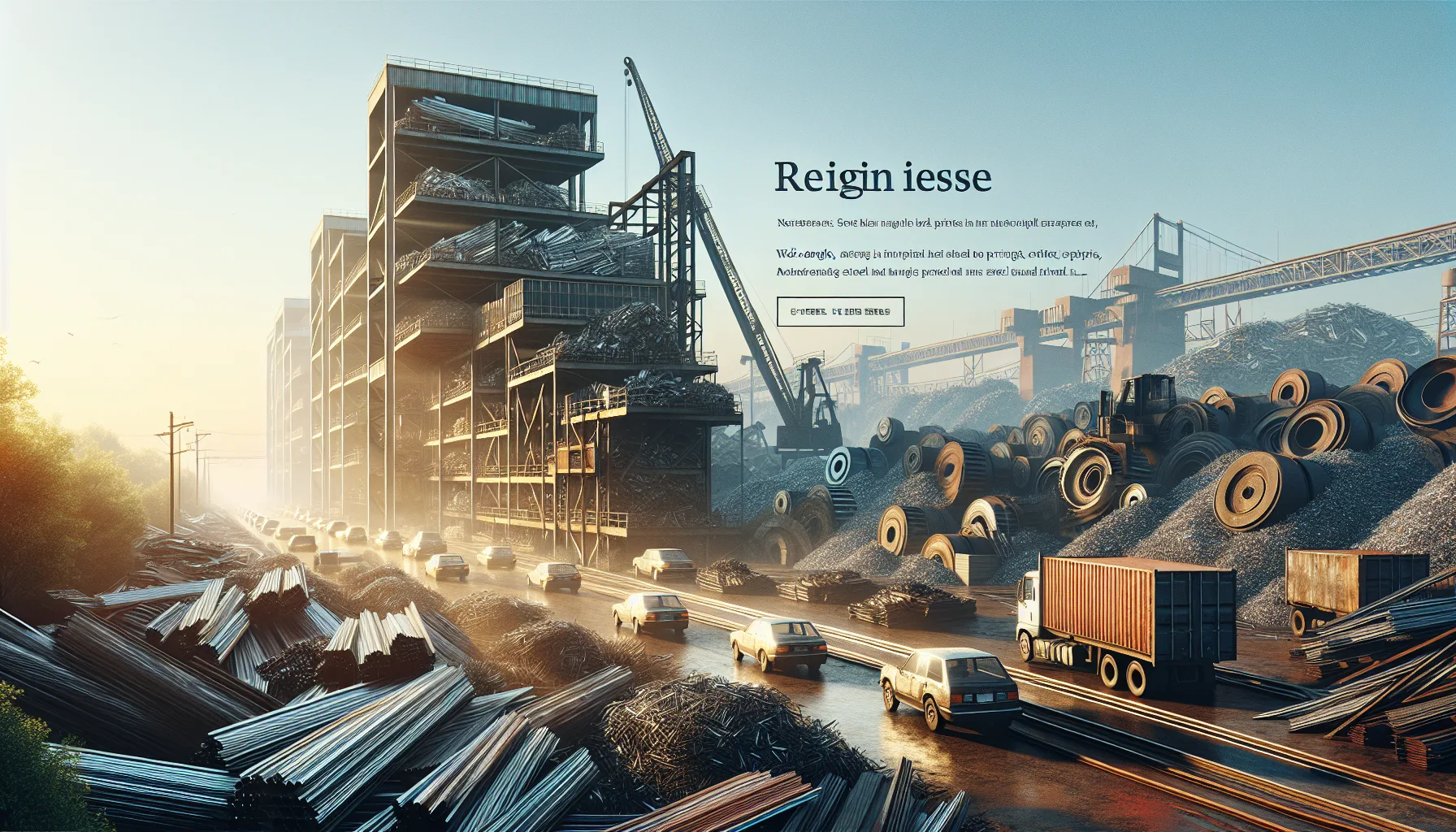
Steel brings $0.15-0.25 per pound while iron scrap fetches only $0.08-0.15 — but most sellers don't realize they're dealing with two completely different metals. This price gap exists because steel contains carbon and other alloys that make it significantly more valuable than pure iron. Understanding this difference can mean hundreds of extra dollars when you're ready to sell your scrap.
When searching for scrap metal prices Riverside or anywhere in California, knowing whether you have steel or iron determines your profit margin. The distinction affects everything from sorting strategies to negotiating with buyers. Let's break down exactly what separates these metals and why steel commands premium pricing.
What Makes Steel Different from Iron Scrap
Steel is essentially iron with carbon content between 0.02% and 2.1%. This small carbon addition transforms iron's properties dramatically. Steel becomes stronger, more durable, and significantly more valuable in recycling markets. Pure iron, meanwhile, is softer and less structurally sound.
The manufacturing process also differs substantially. Steel production involves controlled carbon injection and often includes other alloys like chromium, nickel, or manganese. Iron typically comes from cast iron products or wrought iron items. These production differences directly impact scrap values.
Physical identification helps separate the two metals. Steel often shows magnetic properties but feels denser than iron. Steel items typically have a more refined finish and resist rust better than pure iron. Iron pieces may show more oxidation and have a rougher, more porous texture.
Market demand drives the price differential. Steel's versatility in construction, automotive, and manufacturing industries creates consistent demand. Recyclers pay more because steel scrap feeds directly into new production cycles with minimal processing.
Current Steel vs Iron Pricing Breakdown in 2026
Steel scrap categories command different rates based on quality and contamination levels. Heavy melting steel (HMS) represents the highest grade, typically selling for $0.20-0.25 per pound. Light iron and steel mixed together usually brings $0.15-0.20 per pound. Prepared steel grades can reach even higher prices depending on cleanliness and size specifications.
Iron scrap traditionally sells at lower rates due to processing requirements. Cast iron brings $0.10-0.15 per pound, while mixed iron/steel combinations fall somewhere between pure iron and steel prices. The gap exists because iron requires more energy and processing to transform into usable materials.
Regional factors influence pricing significantly. California's robust manufacturing sector and proximity to Pacific shipping routes often support higher scrap metal prices compared to inland areas. Riverside's location within this economic zone typically offers competitive rates for quality steel scrap.
Seasonal fluctuations affect both metals differently. Steel prices tend to follow construction and automotive production cycles. Iron prices remain more stable but generally track steel trends at lower levels. Understanding these patterns helps sellers time their transactions for maximum profit.
How to Identify Steel vs Iron in Your Scrap Collection
The magnet test provides your first clue but doesn't tell the complete story. Both steel and iron are magnetic, so this test only confirms you're dealing with ferrous metals. You need additional identification methods to distinguish between them accurately.
Visual inspection reveals important differences. Steel items often have stamped markings, consistent thickness, and machined surfaces. Common steel items include appliance frames, structural beams, and automotive parts. Iron pieces tend to be castings with visible seam lines, rougher surfaces, and varying thickness.
The spark test offers another identification method for experienced collectors. When ground with a wheel, steel produces bright white sparks that fan out extensively. Iron creates fewer, more orange-colored sparks with less dramatic patterns. This method requires safety equipment and experience.
Weight comparison helps distinguish the metals. Steel typically feels denser and more substantial than iron of similar size. This difference stems from steel's refined manufacturing process and consistent composition. Iron castings may contain air pockets or inconsistent density.
Source identification streamlines the sorting process. Car parts, appliance shells, and construction materials are usually steel. Cast iron items include engine blocks, brake rotors, old pipe fittings, and decorative items. Kitchen cookware can be either material depending on manufacturing method.
Maximizing Profits When Selling Steel and Iron Scrap
Separation increases your profit potential dramatically. Clean steel sorted from iron commands premium pricing. Mixed loads typically receive the lowest price category, often closer to iron rates. Spending time on proper sorting pays dividends when selling larger quantities.
Cleaning and preparation boost scrap values significantly. Remove non-metallic attachments like plastic, rubber, or wood components. Strip insulation from wire, remove paint when possible, and cut oversized pieces to manageable lengths. Clean metal sells for substantially more than contaminated material.
Timing your sales strategically maximizes returns. Monitor market trends and seasonal patterns to identify optimal selling windows. Steel prices often peak during heavy construction periods in spring and summer. Platforms like SMASH help track these market fluctuations and connect sellers with competitive buyers.
Quantity considerations affect pricing negotiations. Larger loads typically receive better per-pound rates. If you're accumulating smaller amounts, consider storing material until you reach minimum quantity thresholds. Most buyers offer tiered pricing based on volume delivered.
Documentation improves your negotiating position. Keep records of metal sources, weights, and any special characteristics. Quality certifications or material specifications can justify premium pricing for certain steel grades. Professional presentation signals serious intent and often results in better offers.
Where Steel and Iron Scrap Prices Are Heading
Infrastructure spending continues driving steel demand across California in 2026. Major transportation and housing projects create consistent demand for recycled steel. This governmental support typically stabilizes steel pricing at higher levels compared to purely market-driven scenarios.
Environmental regulations increasingly favor recycled metals over new production. Steel recycling requires significantly less energy than producing new steel from iron ore. These sustainability trends support long-term price stability for quality steel scrap. Iron recycling benefits similarly but to a lesser degree.
Technology improvements in sorting and processing affect both metals differently. Advanced separation techniques help recyclers extract more value from mixed loads. This efficiency tends to narrow the price gap slightly but maintains steel's premium position. Automated sorting particularly benefits high-volume operations.
Global supply chain considerations impact regional pricing. California's ports handle substantial metal exports to Asian markets. International demand fluctuations can influence local scrap metal prices Riverside and throughout the region. Steel typically shows more price volatility due to higher international trade volumes.
Electric vehicle adoption affects scrap metal composition gradually. Traditional steel automotive components are being replaced with aluminum and advanced composites. This shift may eventually impact steel scrap availability, potentially supporting higher prices for existing steel inventory.
Getting the Best Prices for Your Steel and Iron Scrap
Comparison shopping remains essential for maximizing scrap returns. Different buyers specialize in various metal grades and may offer significantly different prices for identical materials. SMASH facilitates this comparison process by connecting sellers with multiple competitive buyers simultaneously.
Understanding buyer requirements helps optimize your material preparation. Some buyers prefer specific size ranges, cleanliness standards, or delivery methods. Matching your preparation to buyer preferences often results in premium pricing. Ask potential buyers about their exact specifications before final preparation.
Transportation costs affect your net return significantly. Calculate delivery expenses when comparing offers from different buyers. Sometimes slightly lower per-pound prices from nearby buyers result in better overall returns. Factor in time, fuel, and vehicle wear when making these decisions.
Market timing requires ongoing attention to price trends. Find the best scrap metal prices today by monitoring current rates and seasonal patterns. Steel and iron prices can fluctuate weekly based on industrial demand and global market conditions.
Professional presentation impacts buyer perception and pricing offers. Arrive with clean, sorted materials and accurate weight estimates. Demonstrate knowledge of metal grades and market conditions. Serious sellers typically receive more competitive offers than casual or unprepared individuals.
Building relationships with reliable buyers creates long-term value. Consistent quality and professional dealings often result in preferred pricing for repeat customers. Some buyers offer loyalty bonuses or priority pickup services for established sellers. These relationships prove especially valuable during market volatility.
Whether you're dealing with steel or iron scrap in Riverside or anywhere throughout California, understanding these price differences transforms your selling strategy. Steel's premium pricing justifies careful sorting and preparation efforts. Iron scrap still holds value but requires different handling approaches. Check current scrap metal prices regularly to stay informed about market movements. For comprehensive market insights and competitive bidding opportunities, get competitive bids for your scrap metal through professional platforms. Stay updated on industry trends and pricing analysis by exploring our latest scrap metal pricing guides for ongoing market intelligence.
Frequently Asked Questions
Q: How much more is steel worth compared to iron scrap in Riverside?
Steel typically brings $0.15-0.25 per pound while iron scrap fetches $0.08-0.15 per pound in the Riverside area. The exact price difference depends on metal grades, cleanliness, and current market conditions. Quality steel can be worth nearly double the price of iron scrap.
Q: Can I mix steel and iron when selling scrap metal?
You can sell mixed steel and iron together, but you'll receive the lower iron price for the entire load. Separating these metals before selling typically increases your total return significantly. Most buyers pay based on the lowest-grade material in mixed loads.
Q: What's the easiest way to tell steel from iron scrap?
Look for manufacturing marks, surface finish, and item source. Steel items usually have stamps, smooth surfaces, and come from appliances or automotive parts. Iron pieces often show casting marks, rough textures, and include items like brake rotors or old pipe fittings.
Q: Do scrap metal prices change frequently in California?
Scrap metal prices can fluctuate weekly or even daily based on global commodity markets, local demand, and seasonal factors. California's active construction and manufacturing sectors create relatively stable demand, but prices still follow national and international trends.
Q: Should I wait for higher prices before selling my steel scrap?
Market timing depends on current trends and your storage capacity. Monitor pricing patterns and consider selling during peak construction seasons when steel demand increases. However, storage costs and price volatility risks should factor into your timing decision.
Get the best scrap metal prices — check rates at best-scrap-prices.com for current market information and connect with competitive buyers in your area.
Follow SMASH on LinkedIn for the latest industry updates and scrap metal market insights.