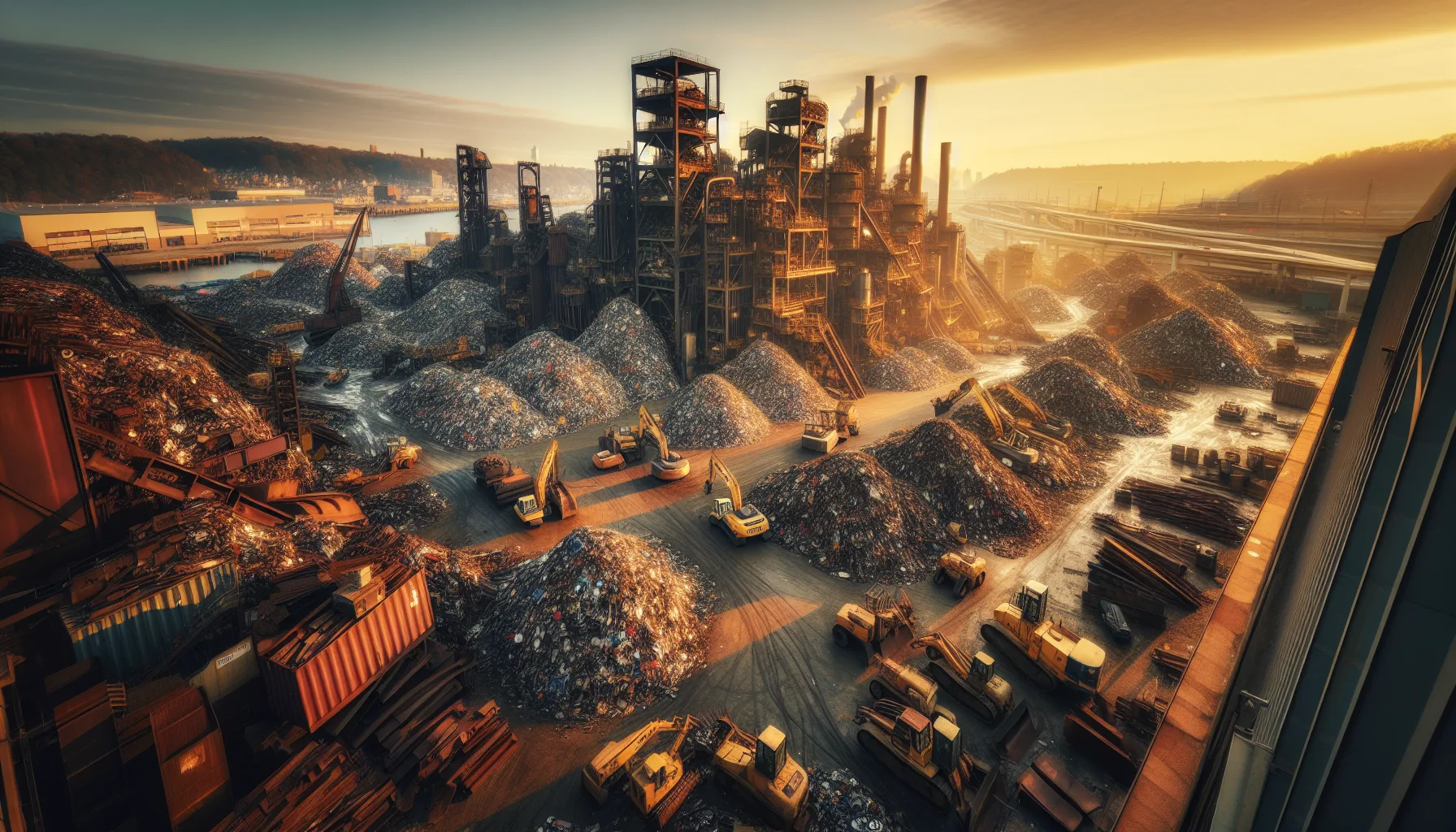
Pittsburgh's Environmental Leadership in Scrap Metal Recycling
Pittsburgh's transformation from steel capital to environmental leader makes it a prime example of how proper scrap metal recycling protects our environment while creating economic value. Understanding the environmental impact of recycling helps sellers maximize returns on materials like copper, aluminum, and steel while supporting sustainable practices. When you monitor copper scrap prices and other metal values, you're participating in one of the most effective environmental conservation efforts available today.
The Steel City's commitment to environmental responsibility extends beyond its industrial past. Modern recycling facilities in Pittsburgh process thousands of tons of scrap metal annually, reducing the need for virgin material extraction and significantly lowering carbon emissions. This environmental focus doesn't just benefit the planet — it creates competitive markets where sellers can find the best scrap metal prices today.
Scrap metal recycling prevents millions of tons of waste from entering landfills while conserving natural resources at an unprecedented scale. Every pound of recycled copper, aluminum, or steel represents energy savings, reduced mining operations, and cleaner air for communities like Pittsburgh. These environmental benefits translate into sustained demand and stable pricing for scrap materials.
Pennsylvania's Regulatory Framework for Scrap Metal Operations
Pennsylvania maintains comprehensive regulations governing scrap metal recycling to protect both the environment and public safety. The Pennsylvania Department of Environmental Protection oversees licensing requirements, record-keeping standards, and operational guidelines that ensure responsible recycling practices throughout the state.
Licensed scrap yards in Pittsburgh must maintain detailed transaction records, verify seller identities, and follow specific procedures for handling different metal types. These regulations create transparency in the market while protecting legitimate sellers from fraud and ensuring fair copper scrap prices based on actual market conditions.
Environmental compliance requirements include proper storage of materials, contamination prevention measures, and regular reporting to state agencies. Yards that meet these standards often offer better prices because they operate efficiently and maintain good relationships with downstream processors. Platforms like SMASH make it easier to connect with compliant buyers who follow all regulatory requirements.
The state also requires specific permits for handling certain materials, including catalytic converters and electronic waste. These regulations protect valuable metals like rhodium while ensuring proper processing of hazardous components. Understanding these rules helps sellers identify legitimate buyers and avoid potential legal issues.
Carbon Footprint Reduction Through Strategic Metal Recycling
Recycling scrap metal dramatically reduces greenhouse gas emissions compared to producing new materials from ore. Aluminum recycling uses 95% less energy than primary production, while steel recycling saves approximately 74% of the energy required for virgin steel manufacturing. These energy savings translate into significant carbon footprint reductions across Pittsburgh's industrial sector.
The environmental impact extends beyond energy conservation. Mining operations for copper, aluminum, and other metals cause habitat destruction, water pollution, and soil contamination. Every ton of recycled metal represents avoided environmental damage in mining regions worldwide. When you check current scrap metal prices and sell materials for recycling, you're directly contributing to this environmental protection.
Pittsburgh's location along major transportation routes makes it an efficient hub for scrap metal processing. Reduced transportation distances mean lower fuel consumption and emissions for moving materials from collection points to processing facilities. This geographic advantage helps maintain competitive pricing while minimizing the environmental impact of the recycling process.
Advanced processing technologies at Pennsylvania facilities maximize material recovery rates while minimizing waste streams. Modern shredders, separators, and purification systems extract maximum value from mixed scrap while ensuring environmental compliance. These technological improvements support stable pricing for materials ranging from basic steel to high-value metals like rhodium.
Water and Air Quality Protection Standards
Scrap metal recycling operations in Pittsburgh must comply with strict air and water quality standards designed to protect community health. The Clean Air Act requirements limit emissions from melting and processing operations, while water discharge permits ensure that runoff doesn't contaminate local waterways.
Proper handling of contaminated materials prevents environmental damage while maintaining material value. Oil-contaminated steel, painted aluminum, and other mixed materials require specialized processing to meet environmental standards. Facilities that invest in proper cleanup equipment can offer better prices because they can process a wider range of materials safely.
Air quality monitoring systems track emissions in real-time, ensuring compliance with federal and state standards. These systems protect both workers and nearby communities while maintaining operational efficiency. Buyers who invest in environmental compliance typically offer more competitive rates because they can process materials without interruption from regulatory issues.
Water treatment systems at recycling facilities remove contaminants before discharge, protecting Pittsburgh's rivers and groundwater supplies. Advanced filtration and chemical treatment processes ensure that recycling operations don't impact local water quality. This environmental protection supports community acceptance of recycling operations and stable long-term pricing.
Digital Platforms Improving Environmental Compliance
Modern technology platforms streamline the connection between sellers and environmentally compliant buyers throughout Pennsylvania. SMASH provides transparent pricing and verified buyer networks that prioritize environmental responsibility alongside competitive rates. This digital approach reduces the environmental impact of finding buyers while ensuring sellers get fair market value.
Online platforms eliminate the need for sellers to drive between multiple yards comparing prices, reducing fuel consumption and emissions. Digital price comparison tools help sellers identify the best offers quickly, minimizing transportation costs and environmental impact. When you can SMASH Scrap — where verified buyers bid on your metal, you're using the most efficient method available.
Electronic documentation systems improve record-keeping accuracy while reducing paper consumption. Digital receipts, transaction records, and compliance documentation streamline regulatory reporting while minimizing administrative waste. These efficiency improvements help buyers offer better prices while maintaining environmental compliance.
Real-time pricing updates ensure sellers get current market rates without multiple trips or phone calls. This efficiency reduces the carbon footprint of selling scrap metal while maximizing returns. Whether you're tracking copper scrap prices or comparing offers for mixed materials, digital platforms provide the most environmentally friendly selling method.
Services that offer junk car removal Pennsylvania wide often use optimized routing systems to minimize fuel consumption and emissions during pickup operations. These logistics improvements reduce the environmental impact of collecting scrap materials while providing convenient service for sellers.
Economic Benefits of Environmental Compliance
Environmental responsibility creates economic value throughout the scrap metal supply chain. Buyers who invest in proper equipment and compliance systems can process materials more efficiently, leading to better pricing for sellers. This economic incentive aligns environmental protection with profit maximization.
Pittsburgh's reputation for environmental leadership attracts investment in advanced recycling technologies. Modern facilities with state-of-the-art equipment can handle a wider range of materials and offer premium prices for clean, properly sorted scrap. When you read the latest scrap metal pricing guides, you'll see how environmental compliance affects market rates.
Sustainable business practices create long-term stability in scrap metal markets. Buyers who prioritize environmental compliance build strong relationships with downstream processors and end users, ensuring consistent demand and stable pricing. This stability benefits sellers through predictable markets and competitive rates.
The ability to sell scrap metal online through platforms like SMASH connects sellers with buyers who prioritize both environmental compliance and competitive pricing. This combination ensures that environmental responsibility doesn't come at the expense of fair market value.
Frequently Asked Questions
Q: How do environmental regulations in Pittsburgh affect copper scrap prices?
Environmental regulations ensure that buyers operate sustainable facilities with proper equipment and compliance systems. These standards actually support stable copper scrap prices by creating legitimate markets and preventing undercutting from non-compliant operations. Licensed buyers who meet environmental standards typically offer more competitive rates because they can process materials efficiently without regulatory interruptions.
Q: What environmental benefits result from recycling scrap metal in Pennsylvania?
Scrap metal recycling in Pennsylvania prevents millions of tons of waste from entering landfills while reducing greenhouse gas emissions by up to 95% compared to producing new materials. The state's recycling operations also prevent mining-related environmental damage, protect water quality, and conserve natural resources. These benefits create sustained demand that supports competitive pricing for sellers.
Q: Are there specific environmental requirements for selling different types of scrap metal?
Yes, different materials have varying environmental handling requirements. Catalytic converters require special processing due to precious metals like rhodium, while contaminated materials need proper cleanup before processing. Legitimate buyers will handle these requirements properly and may offer premium prices for materials that meet environmental standards. Always work with licensed buyers who follow proper environmental procedures.
Q: How does digital selling through platforms like SMASH help the environment?
Digital platforms reduce the environmental impact of selling scrap metal by eliminating multiple trips to compare prices and streamlining the connection between sellers and buyers. Online systems also improve documentation accuracy, reduce paper waste, and help sellers find the most efficient pickup or delivery options. This technology makes environmentally responsible selling more convenient and profitable.
Q: What should I look for to ensure my scrap metal buyer follows environmental regulations?
Look for buyers with proper licensing, transparent operations, and clear environmental compliance records. Licensed facilities will maintain proper documentation, follow state regulations for material handling, and provide legitimate pricing based on current market conditions. Platforms that verify buyer credentials help ensure you're working with environmentally compliant operations that offer fair market rates.
Pittsburgh's commitment to environmental leadership creates opportunities for sellers to participate in sustainable recycling while earning competitive returns on their scrap materials. Understanding how environmental compliance supports market stability helps you make informed decisions about when and where to sell your metals. Get the best scrap metal prices — check rates at best-scrap-prices.com to connect with environmentally responsible buyers who offer top market rates for your materials.