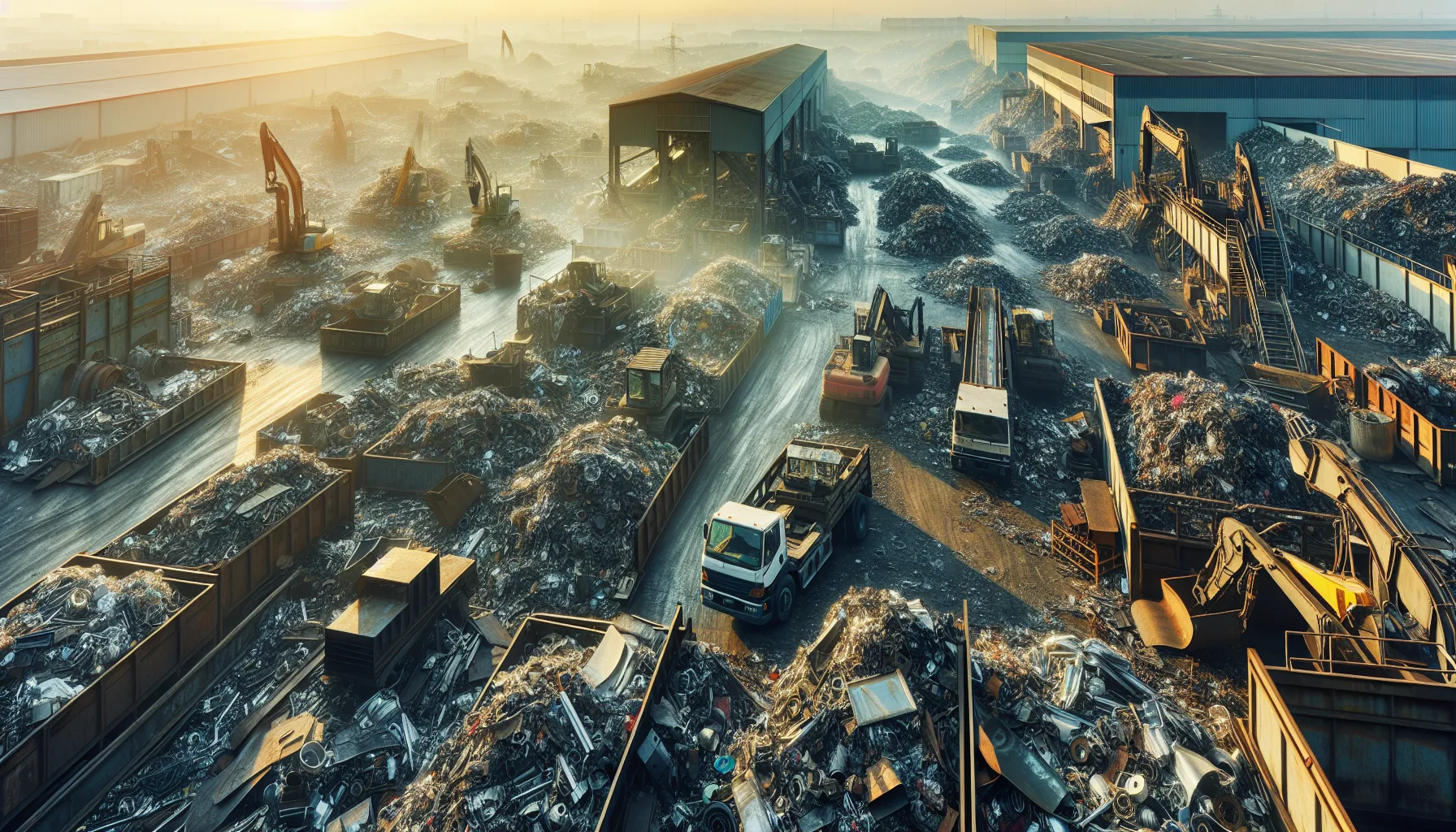
Understanding the fundamental difference between ferrous and non-ferrous scrap metals is crucial for anyone looking to maximize profits in today's competitive B2B scrap metal marketplace. This knowledge directly impacts pricing, sorting efficiency, and ultimately your bottom line when selling materials in Newark and throughout New Jersey. Whether you're a contractor, demolition company, or industrial facility, knowing how to identify and separate these metal categories can significantly increase your scrap metal returns.
The distinction between ferrous and non-ferrous metals affects everything from pickup logistics to final pricing. Newark's industrial landscape, with its manufacturing facilities and construction projects, generates substantial quantities of both metal types. Smart sellers understand these differences to optimize their scrap metal operations and secure better rates through platforms that connect them with verified buyers.
What Makes Metals Ferrous vs Non-Ferrous
Ferrous metals contain iron as their primary component, making them magnetic and generally heavier than their non-ferrous counterparts. The term "ferrous" comes from the Latin word "ferrum," meaning iron. These metals typically exhibit magnetic properties and are prone to rust when exposed to moisture and oxygen.
Non-ferrous metals, conversely, contain little to no iron content. They resist corrosion better than ferrous metals and don't exhibit magnetic properties. This fundamental difference affects their applications, durability, and ultimately their value in the scrap metal market.
The magnetic test provides the quickest identification method. A simple magnet will stick to ferrous metals but won't attract non-ferrous materials. This simple field test helps Newark scrap metal sellers quickly sort materials and find the best scrap metal prices today for each category.
Common Ferrous Scrap Materials and Their Market Value
Steel represents the most abundant ferrous metal in scrap yards across New Jersey. Construction sites, automotive facilities, and industrial operations generate massive quantities of steel scrap daily. This includes structural steel, rebar, sheet metal, and steel pipes.
Cast iron appears in older plumbing systems, engine blocks, and industrial machinery. While heavier than steel, cast iron typically commands lower prices due to processing requirements. Newark's older industrial infrastructure often contains significant cast iron components.
Wrought iron, though less common today, still appears in decorative elements and older construction. It generally fetches slightly higher prices than regular steel due to its purity and workability.
The current ferrous metal market shows steady demand driven by construction and manufacturing sectors. Prices fluctuate based on global steel demand, shipping costs, and domestic production capacity. A reliable scrap metal auction platform helps sellers track these price movements and connect with buyers offering competitive rates.
High-Value Non-Ferrous Metals in Newark's Scrap Market
Copper stands as the king of non-ferrous scrap metals, commanding premium prices due to its conductivity and corrosion resistance. Newark's electrical contractors and HVAC technicians regularly generate copper wire, pipe, and tubing. Clean, bright copper wire fetches the highest prices, while insulated wire requires processing that reduces its value.
Aluminum appears in countless applications from siding and gutters to automotive parts and beverage containers. Its lightweight nature means volume matters more than weight when calculating profits. Clean aluminum sheet and extrusions command better prices than mixed or contaminated materials.
Brass, bronze, and other copper alloys offer excellent value for their weight. Plumbing fixtures, electrical components, and decorative items often contain these materials. Separating different brass grades can significantly impact pricing.
Stainless steel, while containing iron, is classified as non-ferrous for pricing purposes due to its chromium and nickel content. Restaurant equipment, medical devices, and industrial components often use stainless steel. The 300 series (non-magnetic) typically brings higher prices than 400 series (magnetic) stainless.
Sorting Strategies for Maximum Profit in Newark
Effective sorting begins at the collection point. Providing separate containers for ferrous and non-ferrous materials saves time and reduces contamination. Many Newark businesses find that training employees on basic metal identification pays dividends through better material separation.
Grade separation within categories maximizes returns. For copper, separate bare bright wire from insulated cable. For aluminum, separate clean sheet from painted or coated materials. For steel, separate clean structural steel from rusty or painted pieces.
Contamination kills profits. Remove non-metal attachments like rubber, plastic, or wood before sale. A few minutes of preparation can mean the difference between premium and low-grade pricing. Professional buyers in the B2B scrap metal marketplace pay based on material purity and grade.
Documentation helps track which separation methods generate the best returns. Recording weights, grades, and prices for each load helps refine sorting strategies over time. This data proves invaluable when negotiating with buyers or comparing offers from different purchasers.
Platforms like SMASH streamline the selling process by connecting Newark sellers with multiple verified buyers. This competition often drives prices higher than single-buyer relationships. The auction format ensures transparent pricing based on current market conditions rather than outdated rate sheets.
Newark's Scrap Metal Infrastructure and Logistics
Newark's strategic location provides excellent access to processing facilities and transportation networks. The city's proximity to ports facilitates export opportunities, which often drive higher prices for clean materials. Local scrap yards compete for material, creating favorable conditions for sellers who understand market dynamics.
Transportation costs impact net returns, especially for lower-value ferrous materials. Consolidating loads and coordinating pickups helps maximize efficiency. Some buyers offer pickup services for larger quantities, though minimum volume requirements apply.
Timing affects pricing significantly. Market prices fluctuate based on global demand, seasonal construction patterns, and shipping schedules. Successful Newark scrap sellers monitor these trends and time their sales accordingly. Check current scrap metal prices regularly to identify optimal selling windows.
The city's industrial base generates consistent scrap volumes, supporting a competitive buyer network. This steady supply and demand creates stable pricing compared to markets with irregular material flows. Newark sellers benefit from this stability while still capturing upside during market rallies.
Building relationships with multiple buyers provides flexibility and leverage during negotiations. However, the traditional relationship-based model is evolving toward platform-based transactions that offer greater transparency and competition. Modern sellers in Newark increasingly read the latest scrap metal pricing guides to stay informed about market developments and optimize their selling strategies.
Frequently Asked Questions
Q: How do I quickly identify whether scrap metal is ferrous or non-ferrous?
Use a magnet to test the material. If the magnet sticks, the metal is ferrous (contains iron). If the magnet doesn't stick, it's non-ferrous. This simple test works for the vast majority of scrap metals you'll encounter in Newark.
Q: Which type of scrap metal generally brings higher prices in New Jersey?
Non-ferrous metals typically command higher prices per pound than ferrous metals. Copper, aluminum, and brass usually offer better returns than steel or iron, though market conditions can affect these relationships.
Q: Should I separate different grades of the same metal type?
Yes, separating different grades significantly increases your profits. Clean copper wire brings much higher prices than insulated cable. Similarly, clean aluminum sheet commands premium rates compared to mixed or painted aluminum scrap.
Q: How often do scrap metal prices change in the Newark market?
Scrap metal prices fluctuate regularly based on global commodity markets, local supply and demand, and transportation costs. Prices can change weekly or even daily for some metals, making it important to check current rates before selling.
Q: What's the benefit of using a B2B scrap metal marketplace versus selling to local yards?
A B2B marketplace like SMASH creates competition among verified buyers, often resulting in higher prices than single-buyer relationships. The auction format provides price transparency and ensures you receive current market rates for your materials.
Understanding ferrous versus non-ferrous metals empowers Newark scrap sellers to make informed decisions that maximize profits. Proper identification, sorting, and timing create significant value from materials that might otherwise be overlooked. The key lies in treating scrap metal sales as a business process that rewards knowledge and preparation. Get the best scrap metal prices — check rates at best-scrap-prices.com to stay competitive in today's market.
Follow SMASH on LinkedIn for industry updates and scrap metal market insights that help you stay ahead of pricing trends and market developments.