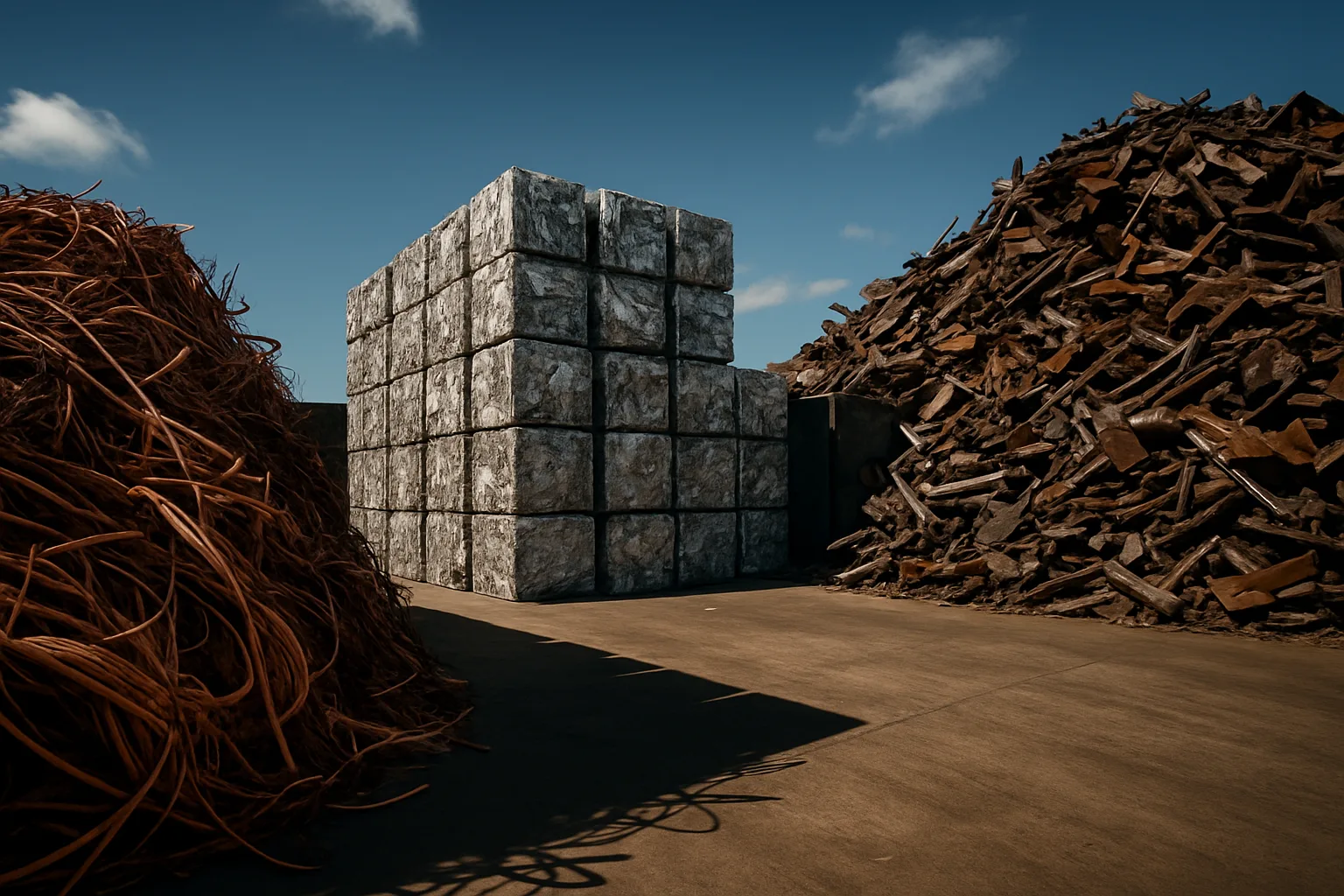
Most aluminum sellers leave money on the table before they even pull into the yard. Not because the market is bad — because they don't know their grades. In Newark, where industrial output runs high and scrap volumes are serious, that mistake gets expensive fast. If you're moving aluminum and you want scrap metal prices Newark yards will actually compete over, grade knowledge is your first advantage.
This guide breaks down aluminum scrap grades, explains what drives price differences between them, and shows you how platforms like smashscrap.com put competitive pressure on buyers so you stop guessing and start getting paid properly.
Why Aluminum Grades Matter More Than You Think
Aluminum isn't one commodity — it's a dozen of them, priced differently based on alloy, contamination, and form. A pound of clean 1100 sheet aluminum and a pound of painted extrusion aren't worth the same thing to a smelter, and the yard knows it. The question is whether you do too.
Grades determine how much processing a buyer has to do before the metal becomes usable again. Cleaner material, higher alloy content, and lower contamination all translate directly to a higher price per pound. When you find the best scrap metal prices today, you'll quickly see that the spread between top-grade and low-grade aluminum can be significant — sometimes more than double per pound.
Here's a quick look at the most common aluminum grades you'll encounter:
- 1100 / Pure Aluminum Sheet — High purity, no coatings. Commands premium pricing.
- 6061 / Extrusion Alloy — Common in structural material. Strong demand from secondary smelters.
- Cast Aluminum — Engine blocks, manifolds, transmission cases. Priced lower due to alloy mix and contamination.
- Painted or Coated Aluminum — Paint, anodizing, and powder coat all reduce value. Clean it or accept a lower grade.
- AL/Copper Radiators — Mixed material. Some buyers pay combined rates; others separate it out.
- Irony Aluminum — Aluminum with steel attachments. Lowest pricing tier in the aluminum category.
- Wheels (Clean) — Cast alloy wheels without weights or chrome plating. Consistent demand, solid pricing.
- Litho / Thin Gauge Sheet — Printing plates and similar. Distinct pricing category.
Knowing which pile is which before you show up at a yard gives you real negotiating power. Showing up with everything mixed together hands that power straight to the buyer.
How to Prepare Your Aluminum Load for Maximum Scrap Metal Prices
Preparation is where sellers either make money or give it away. Yards price for risk. If your load looks clean, sorted, and consistent, the buyer's risk goes down — and your price goes up. If it's a mess, they'll grade the whole thing to the lowest material in the pile.
A few steps that move the needle:
- Separate by grade before you arrive. Don't mix cast with extrusion, or painted with bare aluminum. Each grade in its own pile or container.
- Remove steel fasteners and attachments where you can. Steel in your aluminum load drops the whole thing to irony pricing. A few minutes with a grinder or impact driver is worth real money per ton.
- Strip or clean painted material if volume justifies it. Not always practical, but on large volumes, clean aluminum versus painted can be a meaningful price difference.
- Photograph and document your load. Weight estimates, grade breakdown, photos — this matters when you're getting multiple buyers to bid. More on that shortly.
- Know your weights before you go. If you're running heavy volumes, get your own scale ticket. It's harder to dispute numbers when you walked in with your own data.
Yards in New Jersey deal with high volume and competitive margins. The sellers who get called back first — and offered the best rates — are the ones who make the buyer's job easier with clean, well-documented loads.
Understanding What Drives the Aluminum Price on Any Given Day
Aluminum scrap prices don't move in isolation. They track the London Metal Exchange (LME) primary aluminum price, adjusted for regional supply and demand, transportation costs, and the buyer's current inventory position. On a day when a major smelter in the Midwest is running short, prices in Newark can jump. When automotive sector demand softens, cast prices take a hit.
Secondary factors that affect your per-pound rate:
- LME aluminum spot price — The global baseline. Scrap trades at a discount to primary, but that discount narrows and widens with market conditions.
- Regional demand — Mills and smelters in the Northeast set the tone for New Jersey yards. When local capacity is full, prices soften. When they're running lean, competition for your material heats up.
- Scrap availability — A cold winter that slows construction or auto dismantling reduces aluminum supply, which can push prices up temporarily.
- Energy costs — Aluminum smelting is energy-intensive. When power prices spike, smelters tighten what they pay for scrap to protect margins.
- Freight and logistics — If your material needs to travel far to reach a consumer, that freight cost comes out of your price somewhere.
The point isn't to become a commodity analyst. The point is to understand that today's price is not necessarily tomorrow's price — and that moving material when conditions are right, rather than waiting indefinitely, often produces better outcomes than trying to time the top perfectly. Read the latest scrap metal pricing guides to stay current on what's moving and why.
Why Single-Buyer Quotes Leave Newark Sellers Short
Here's the old playbook: call your regular yard, take their number, load the truck, get paid. It's simple. It's also how you get paid the least for your material, consistently, without ever knowing it.
A single buyer has zero pressure to sharpen their price. They know what you've got, they know you're probably not calling five other yards, and they price accordingly. That's not a conspiracy — that's just how markets work without competition.
Competitive pressure is what drives price discovery. When multiple vetted buyers can see your documented load — grade breakdown, photos, weights, location — and they know other buyers are looking at the same material, they sharpen their numbers. That's the difference between a price offered to someone with no alternatives and a price offered to someone who has three other buyers in the queue.
SMASH is built on that logic. The platform puts your documented aluminum load in front of vetted buyers who compete in an auction format. No subscription fees. You only pay when a sale happens. The load documentation tools — photo upload, weight tracking, grade descriptions — give buyers the confidence to bid aggressively because they know exactly what they're getting.
If you're moving meaningful aluminum volume out of Newark or anywhere in New Jersey, running that material through a competitive process isn't complicated. It's just a better default than a single phone call.
Documenting Your Load: The Step Most Sellers Skip
You wouldn't sell a used truck without photos and a description. Scrap loads aren't different — buyers pay more for material they can evaluate without guessing. Yet most sellers still show up at the yard with nothing documented and hope the buyer is in a good mood.
Good load documentation includes:
- Clear photos from multiple angles, including close-ups that show cleanliness and grade
- Estimated weight by grade category (not total mixed weight)
- A short grade description — "clean 6061 extrusion, no attachments" tells a buyer everything they need
- Location and availability window (buyers need to plan logistics)
- Any relevant history — automotive aluminum, industrial scrap, construction material
SMASH's inventory tool and photo documentation features are built specifically for this. When a buyer reviews your load on the platform versus reviewing a vague phone description from a competitor's seller, your documented load wins the attention — and often the higher bid.
For Newark scrap sellers, this matters even more. The region's industrial activity means buyers are moving fast and evaluating a lot of material at once. Stand out with documentation, and you get taken seriously. Show up with a mixed, unlabeled load, and you get the default rate.
If you're ready to put your aluminum loads in front of competitive buyers, check current scrap metal prices and connect with platforms designed to get you a real market number — not a one-buyer guess. For Newark-specific service and local expertise, explore the Newark scrap metal services available through best-scrap-prices.com.
Getting Top Dollar for Aluminum in Newark: The Short Version
The scrap market rewards preparation and competition. Every extra step you take before the sale — sorting grades, removing contamination, documenting loads, getting multiple buyers involved — pays you back in a higher price per pound. Skipping those steps doesn't save time. It saves the buyer money at your expense.
Newark is a serious market with real volume and real buyer competition. Use that to your advantage. Know your grades. Document your loads. Don't settle for one phone call when a platform like SMASH can put your material in front of multiple vetted buyers who have to compete for it.
The best price doesn't find you. You put yourself in a position to get it. Start by staying informed — find the best scrap metal prices today at best-scrap-prices.com, and make sure every load you move is working as hard as you are.
Disclaimer: Scrap metal prices fluctuate daily based on market conditions, regional demand, and material quality. All pricing references in this article are general in nature. Always verify current rates directly with buyers or through a live pricing platform before selling.
Frequently Asked Questions
Q: What aluminum grade gets the highest scrap price in Newark?
Clean, uncoated, unalloyed aluminum — often 1100 series sheet or clean extrusion — typically commands the highest per-pound pricing. Material free of paint, steel attachments, and contamination is easiest for buyers to process, which drives better bids. Mixing grades before you sell is the fastest way to get discounted on your entire load.
Q: How do I find competitive scrap metal prices Newark yards are actually paying?
The best way is to get multiple buyers looking at the same documented load. Platforms like SMASH bring vetted buyers into a competitive auction format so the price reflects real market demand, not a single yard's take-it-or-leave-it quote. You can also read the latest scrap metal pricing guides to understand what's driving rates on any given week.
Q: Does the copper scrap price today affect aluminum pricing?
Not directly — copper and aluminum are separate commodities that trade on different fundamentals. However, broad non-ferrous market strength or weakness tends to affect multiple metals simultaneously, since it often reflects the same underlying demand signals from manufacturing and construction sectors. If copper is surging, it's often worth checking aluminum rates in the same window.
Q: What's the difference between cast aluminum and extrusion scrap pricing?
Cast aluminum — think engine blocks, transmission cases, manifolds — typically prices lower than clean extrusion because cast alloys are harder to process and often carry more contamination. Clean 6061 or similar extrusion alloy is more straightforward for smelters, which is reflected in a higher per-pound rate. Keeping the two grades separated before your sale protects your extrusion price from being dragged down by the cast material.
Q: Is scrap metal recycling in New Jersey subject to any special regulations?
New Jersey has specific seller identification and record-keeping requirements for scrap transactions — yards are required to log seller information and in some cases hold periods apply to certain materials. Requirements can vary by material type and yard. Before your first sale, confirm the documentation the yard requires and make sure you understand the hold and payment timeline for your material type.
Stay sharp on market moves and industry news — follow SMASH on LinkedIn at linkedin.com/company/scrap-metal-auction-sales-hub for scrap metal market insights, pricing trends, and platform updates.