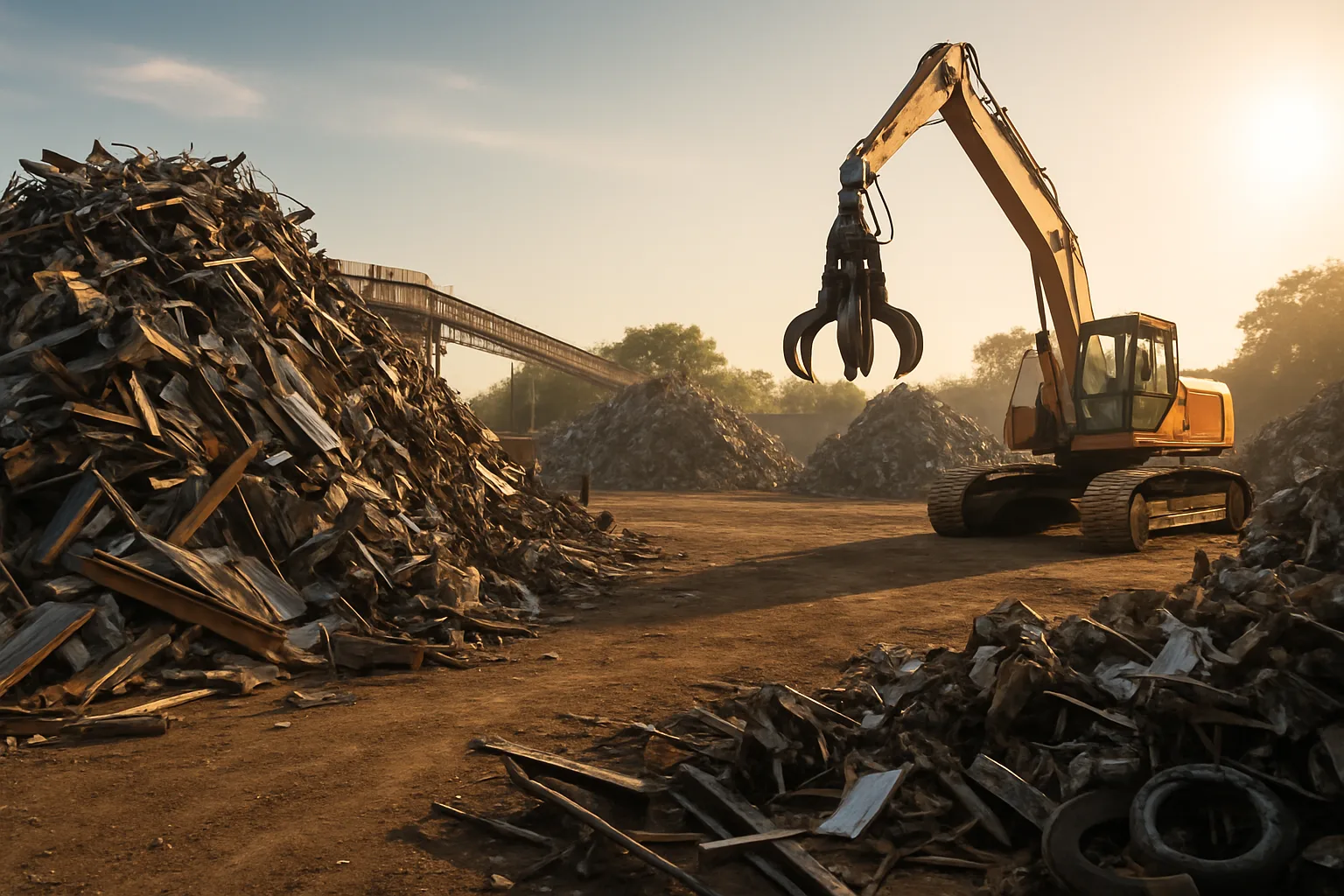
Why Small-Scale Scrap Collectors in Orlando Leave Money on the Table
Most small-scale scrap collectors sell too fast and ask too few questions. You load up the truck, drive to the nearest yard, take whatever price they quote, and move on. That approach works — but it rarely gets you the best return. If you're looking to sell scrap metal Orlando and actually maximize what you walk away with, a few simple habits can make a real difference to your bottom line.
Orlando's construction boom, active HVAC industry, and dense residential market mean there's no shortage of material moving through local yards. The opportunity is there. The question is whether you're capturing it — or leaving dollars on the curb.
Know Your Metal Before You Drive to the Yard
Showing up at a yard without knowing what you have is the fastest way to get underpaid. Yards deal in volume. They're not going to stop and educate you on every grade while a line forms behind your truck. That's your job to do before you arrive.
Start with the basics. Separate your loads by metal type before you go anywhere:
- Copper — #1 bare bright, #2 copper, insulated wire, and copper pipe all carry different rates. Don't mix them.
- Aluminum — Cans, extrusions, cast aluminum, and sheet aluminum are priced differently. The aluminium scrap value per kg varies significantly between grades.
- Steel and iron — Heavy melt, light iron, and cast iron each have their own category. Mixing grades means you get paid for the lowest one.
- Catalytic converters — Never toss these in with your ferrous load. Cats contain platinum group metals. They sell separately and should be documented with serial numbers before you move them.
- Stainless steel — Easy to overlook. Appliance parts, commercial kitchen equipment, and HVAC components often contain stainless that's worth separating out.
Ten minutes of sorting before you load can translate into a meaningfully better return per trip. That's not a small thing when you're running multiple loads a week across Florida.
Track the Aluminum Scrap Price Today — and Time Your Sales When You Can
Scrap metal prices aren't fixed. They move with global commodity markets, regional supply and demand, and seasonal patterns. The aluminum scrap price today could be noticeably different from what it was two weeks ago. If you're collecting consistently, that volatility matters.
You don't need to become a commodities trader. But you should be checking current market rates before you sell a significant load. A few practical habits help:
- Check prices before every major trip. Don't rely on memory or what a yard told you last month. Markets move. Find the best scrap metal prices today before you load the truck.
- Compare at least two yards. In a metro area like Orlando, you have options. One yard's posted rate for aluminum extrusion might be 10–15% higher than another's. That spread adds up over a year.
- Hold non-perishable material when prices are soft. Clean copper and aluminum don't expire. If the market is temporarily depressed and you have storage, waiting a week or two can pay off.
- Watch the copper price closely. Copper is the bellwether of the non-ferrous scrap market. When copper is moving, other metals tend to follow. It's a useful signal for when to sell your mixed loads.
Price awareness is one of the biggest separators between collectors who do okay and collectors who do well. Read the latest scrap metal pricing guides to stay current on where markets are heading.
Document Everything — Especially Cats and Non-Ferrous
Documentation isn't just a legal requirement in Florida — it's also leverage. Yards that buy documented, traceable material with photos, serial numbers, and clean packing lists can process it faster and with less liability on their end. Some will pay a premium for it. At minimum, it protects you from disputes.
For catalytic converters, this is non-negotiable. Florida has tightened regulations around cat sales in recent years, and enforcement isn't soft. Every cat you sell should have:
- A documented serial number or VIN source
- Photo documentation showing condition
- A clear record of where it came from
Platforms like SMASH Scrap — where verified buyers bid on your metal are built around this kind of documentation. Their inventory tool handles serial tracking and photo documentation for cats and non-ferrous loads, which means your material arrives with context that competitive buyers can actually evaluate. That documentation doesn't just keep you legal — it can help reveal the true market value of what you have, because buyers bid with more confidence on documented loads.
For aluminum, copper, and mixed non-ferrous, a basic packing list that identifies grades and approximate weights is enough to set you apart from sellers who just dump and hope.
Stop Selling to One Buyer — Use Competition to Discover Your Real Price
Here's the core problem with the way most small collectors operate: one yard, one quote, done. That yard knows you're going to sell. They know you don't have time to drive across town and get a second number. The result is a price that works for them — not necessarily for you.
Competition changes that dynamic entirely. When multiple vetted buyers are bidding on your material, the market sets the price instead of one buyer's morning mood. More buyers means better price discovery. That's not a theory — it's how commodity markets work at every level.
SMASH was built to bring that competitive pressure to scrap sellers. You list your load, vetted buyers across the network see it and bid, and you see the results in real time. No subscription fees. SMASH only earns when you make a sale — which means the incentive is aligned with getting you a strong outcome, not just a fast transaction.
If you're moving regular volume out of Orlando — HVAC aluminum, construction copper, non-ferrous mixed loads — running those materials through a competitive auction format instead of calling the same yard every week is worth understanding. The best scrap metal prices come from a process where buyers compete, not one where a single buyer sets the terms.
Build Volume and Consistency — Small Lots Have More Power Together
Individual small loads are harder to move at strong prices than consolidated volume. A few hundred pounds of mixed aluminum isn't going to excite most industrial buyers. Five hundred to a thousand pounds of sorted, documented aluminum extrusion? That's a different conversation.
If you're a small-scale collector in the Orlando area, a few strategies help build the kind of volume that gives you real leverage:
- Partner with contractors and HVAC crews. Florida's construction market generates consistent copper and aluminum. Contractors are often happy to have someone handle their scrap removal — and you get the material.
- Set up regular pickup routes. Restaurants, small manufacturers, and apartment complexes generate ongoing non-ferrous scrap. A reliable route gives you predictable volume.
- Store until you have a meaningful lot. Unless you need cash immediately, holding material until you have a full truck load or a clean sorted pallet puts you in a better position with buyers.
- Track your weights by grade. Knowing you have 400 lbs of #1 copper and 800 lbs of aluminum extrusion means you can describe your load accurately to buyers and get sharper quotes up front.
Volume and documentation together are the two things that separate casual collectors from people running a real operation. Neither requires expensive equipment — just discipline and a system.
Use the Right Tools to Check Scrap Metal Prices Before Every Sale
You wouldn't sell a used car without looking up its value first. The same logic applies here. Before every significant load leaves your yard or truck, check current scrap metal prices to understand where the market sits.
Prices for aluminum, copper, steel, and catalytic converters shift with commodity indexes, import/export data, and local supply conditions. What a yard quoted you in January in Orlando may be significantly different from what the market supports in June. Checking takes minutes. The upside of knowing your number before you negotiate is real.
The goal isn't to become an expert trader. It's to walk into every transaction with enough market awareness that you can recognize a fair offer from a lowball one. That knowledge is free. Not using it is what costs you.
Disclaimer: Scrap metal prices fluctuate daily based on commodity markets and regional conditions. Always verify current rates before selling. The price information referenced in this article reflects general market dynamics and should not be taken as a guaranteed price quote.
Frequently Asked Questions
Q: Where can I sell scrap metal in Orlando for the best price?
Orlando has multiple licensed scrap yards operating across the metro area. To get the best return, compare rates from at least two yards before committing to a sale — and consider platforms like SMASH that connect you with multiple vetted buyers bidding on your material competitively. Sorting and documenting your loads before arrival also helps you negotiate from a stronger position.
Q: What is the aluminum scrap price today in Florida?
Aluminum prices vary by grade and change daily based on commodity market conditions. Common grades like aluminum cans, extrusions, and cast aluminum all carry different per-pound rates. Check current market pricing at best-scrap-prices.com before you sell to make sure you're working with a current number, not last month's rate.
Q: Do I need to document catalytic converters before selling in Florida?
Yes. Florida has active regulations around catalytic converter sales requiring sellers to provide identification and documentation at point of sale. Always retain records of where each cat originated and document serial numbers with photos before moving them. Platforms like SMASH include serial tracking and photo documentation tools built specifically for this type of material.
Q: Is it worth separating my scrap before going to a yard?
Absolutely. Mixed loads get paid at the lowest grade in the mix. Separating copper, aluminum, steel, and stainless steel before you arrive means you get the correct rate for each material instead of a blended — and usually lower — rate for the whole pile. Ten minutes of sorting before loading is consistently one of the highest-return activities a small collector can do.
Q: What scrap metal is most valuable for small collectors in Orlando?
Copper consistently delivers the highest per-pound return among common scrap materials, followed by clean aluminum grades and platinum-group metals from catalytic converters. In Orlando's active construction and HVAC market, copper pipe, wire, and aluminum extrusion from HVAC equipment are among the most accessible high-value materials for small-scale collectors working in the region.
---Small-scale collecting in Florida is a real business if you treat it like one. Sort your material, track prices, document your loads, and stop selling to the first buyer who quotes you a number. The best scrap metal prices don't find you — you have to go after them. Start by checking what your loads are worth today at best-scrap-prices.com.
Stay ahead of market moves and scrap metal pricing trends — follow SMASH on LinkedIn for regular industry updates and insights that help you sell smarter.
```