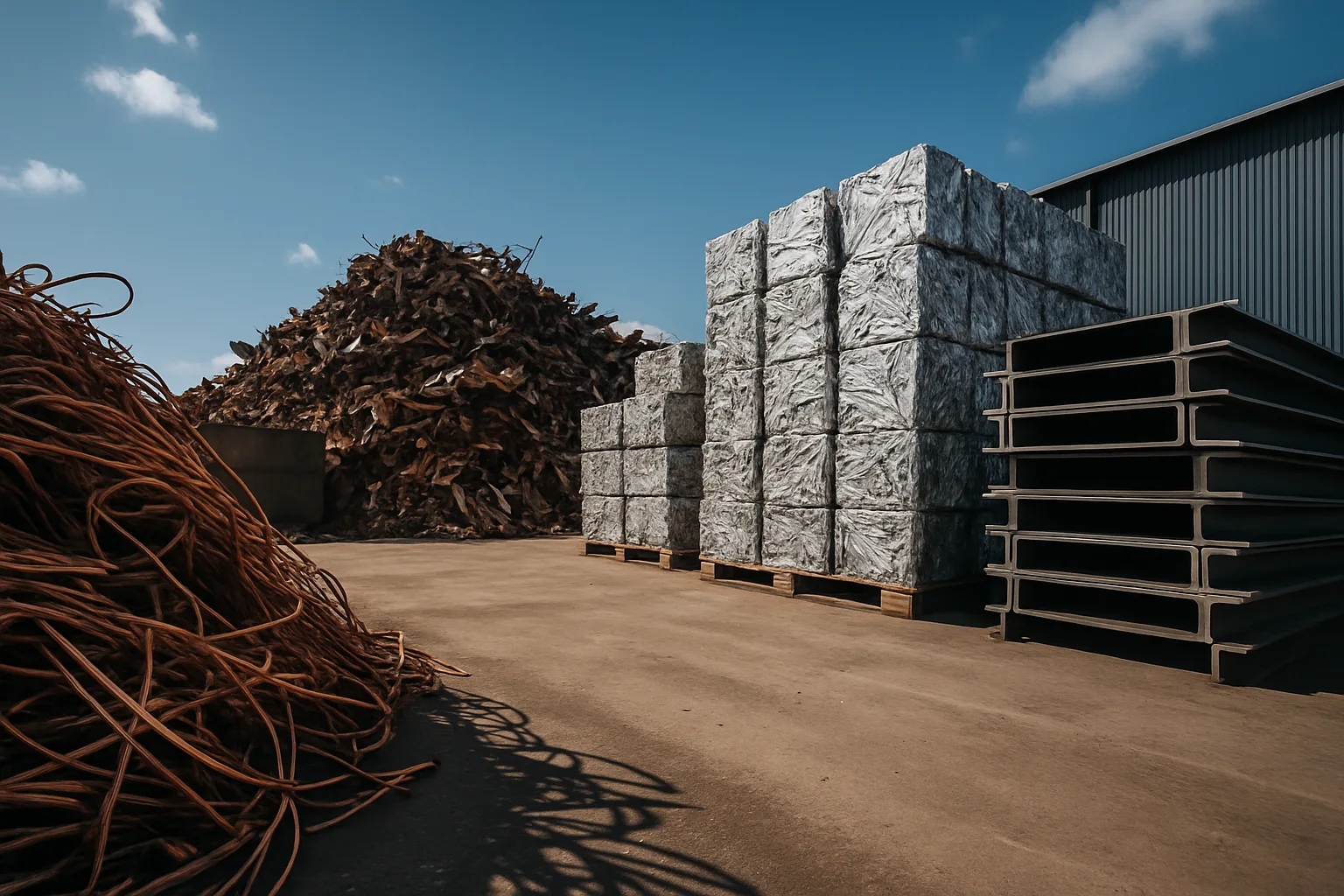
Why Your Scrap Yard Isn't Offering What You Expected — And What to Do About It
You haul in a truck bed full of aluminum, copper pipe, and mixed steel. The yard guy weighs it, punches some numbers, and hands you a ticket that feels way lower than you expected. Sound familiar? Before you assume the yard is lowballing you, you need to understand exactly how recycling yards weigh and grade your scrap metal — because the system isn't arbitrary. But it does heavily favor the yard if you don't know the rules.
If you're trying to sell scrap metal Detroit and walk away with competitive money, knowing how yards assess your load is the difference between leaving satisfied and leaving frustrated. This guide breaks down the process step by step — and shows you where competition and transparency can shift the balance back in your favor.
Step One: How Yards Actually Weigh Your Load
Most large yards use a drive-on scale — also called a truck scale or pit scale. You drive your vehicle onto the platform before and after unloading, and the difference in weight is your net scrap weight. Sounds straightforward. It rarely is.
A few things affect your final weight number that most sellers never think about:
- Moisture content. Wet scrap weighs more — but many yards will discount for moisture in ferrous loads, arguing the water burns off and adds no metal value. Heavy rain on an open load can cost you real money.
- Attached non-metal materials. Rubber insulation on copper wire, plastic housing on aluminum parts, grease on cores — yards subtract estimated non-metal weight, and that estimate is always conservative in their favor.
- Scale calibration. Licensed yards calibrate their scales regularly, but you have the right to ask for the calibration certificate. Most sellers never ask.
- Tare weight accuracy. Your tare (empty vehicle weight) is measured same-day at most yards — but if the yard uses a stored tare from a previous visit, discrepancies creep in.
The takeaway: weight is never just weight. Moisture, contaminants, and how the yard handles tare weight all affect your payout. Documenting your load with photos before you arrive gives you a reference point if a number doesn't look right. North America's B2B scrap metal auction platform builds photo documentation directly into the inventory process — so buyers see exactly what they're bidding on, not an estimated grade.
How Yards Grade Different Metals — and Why Grading Matters as Much as Weight
Grading is where most of the value decisions happen. Weight tells the yard how many pounds you brought. Grade tells them what those pounds are worth. Yards follow industry-standard grades — many based on ISRI (Institute of Scrap Recycling Industries) commodity specs — but they apply those grades with their own discretion. That discretion has a cost to sellers.
Here's how common materials get graded in practice:
Copper
Copper runs a clear grading hierarchy. #1 Bare Bright copper is the top tier — clean, uncoated wire, no solder, no insulation. #1 copper includes clean pipe and soldered fittings. #2 copper covers painted, coated, or slightly contaminated material. Mixed or insulated wire drops further. A single piece of solder or painted fitting in an otherwise clean load can pull your whole ticket down a grade. Yards have no incentive to sort it for you — that's your job before you arrive. If you're tracking copper scrap price today, remember the grade spread between Bare Bright and #2 can be significant, even when the base market is strong.
Aluminum
Aluminum grading splits primarily between cast and extrusion alloys, and then further by cleanliness. Clean 6061 or 6063 extrusion gets a better price than mixed aluminum or cast alloy. Auto parts like engine blocks and wheels are graded separately from sheet and clip. Painted or anodized material typically grades lower than clean extrusion. Checking the aluminum scrap price today is only useful if you also know what grade your material will be classed as — the price difference between grades can be substantial on a large load.
Steel and Ferrous
Ferrous scrap — your steel, iron, and mixed metals — is graded mainly by size, thickness, and contamination. Heavy melt, plate and structural, shredded, and bush all carry different values. Yards in Michigan and across the Midwest grade ferrous heavily based on what their downstream buyer (often a mini-mill or export shipper) is paying for that specific spec that week. Your price for a load of structural steel today could differ from last week even if the scale reads the same weight.
Catalytic Converters
Cats are graded entirely differently. Weight barely matters — the platinum group metal (PGM) content inside is what drives the price. Yards use serial numbers and VIN data to identify the converter type and pull assay averages. High-value cats on diesel trucks and certain imports can carry serious premiums. Low-value aftermarket or cracked cats can be near-worthless. The spread between the best and worst cats in a single load can be enormous. Platforms that use VIN lookup and serial tracking give buyers and sellers real data, not guesswork.
The Yard's Hidden Adjustments — Deducts, Contamination Fees, and Sorting Charges
Beyond the base weight and grade, many yards apply adjustments that can quietly eat into your payout. Knowing these exist — and pushing back where you can — is part of playing the game smart.
Common deductions to watch for:
- Moisture deducts: Often 5–15% on wet ferrous loads. Some yards apply a flat percentage; others assess visually.
- Contamination fees: Mixed loads that require sorting sometimes trigger a processing fee deducted from the ticket.
- Non-metal deducts: Insulated wire, rubber-attached parts, and oily cores get a percentage removed for estimated non-metal content. This is often standardized (50% for insulated wire, for example) but varies by yard.
- Minimum load requirements: Some yards won't buy certain grades under a minimum weight, or they'll price small loads at a lower tier.
The frustrating part: these adjustments happen after you've already arrived. You have no leverage at that point. The better approach is to understand them in advance, prep your load before you pull in, and — when the load is big enough — put it in front of multiple buyers who compete for it. More buyers means better price discovery, and competitive bids expose what the market actually thinks your load is worth. You can find the best scrap metal prices today when you're working with real competition, not a single-buyer take-it-or-leave-it quote.
What Detroit Yards Look for That Other Markets Don't Emphasize as Much
Detroit is not a generic scrap market. Michigan's auto industry heritage means yards here see heavy volumes of automotive-grade aluminum, catalytic converters from older vehicles, copper from industrial teardowns, and specialty alloys from manufacturing facilities. That's both an opportunity and a complication.
Yards that serve Detroit's industrial sellers are often more sophisticated in how they grade auto alloys and cats — but that sophistication also means they have sharper tools for applying deductions. A yard experienced in high-volume automotive scrap knows exactly how to grade your 356 aluminum casting differently from your 319, and they'll price accordingly. If you don't know the difference, you won't know if you're being graded fairly.
For sellers moving larger volumes of automotive scrap, Detroit scrap metal services through platforms like SMASH put documented loads in front of vetted buyers who specialize in exactly this material — auto alloys, cats, non-ferrous industrial. You get bids from buyers who know what the material is worth, not a single yard's internal price sheet. If you want to sell scrap metal Detroit with real price transparency, that competitive structure matters.
Michigan's scrap market also ties closely to regional steel demand, Great Lakes shipping, and export activity through ports like Toledo and Cleveland. When those downstream markets move, local scrap metal prices today move with them — sometimes fast. Sellers who watch those signals are better positioned than those who just show up and accept whatever the board says.
How to Prepare Your Load to Get the Best Grade — Before You Arrive
The single biggest lever you control as a seller is how you prepare your load. Yards grade what they see. Give them clean, sorted, correctly identified material and you pull the grading conversation in your direction. Bring in a jumbled mix of metals with moisture and attached non-metals and you're negotiating from the weakest possible position.
Practical prep steps that actually move the needle:
- Sort by metal type before you leave your facility. Don't mix copper grades in the same bin. Separate ferrous from non-ferrous completely.
- Strip wire where the economics make sense. Bare Bright pays significantly more per pound than insulated wire on large volumes. Run the math before you strip — sometimes the labor cost isn't worth it on short lengths, sometimes it absolutely is.
- Remove obvious contaminants. Plastic end caps, rubber gaskets, attached steel from aluminum parts. The cleaner the load, the less room for discretionary deductions.
- Let wet loads dry before hauling. One day of drying can save you a meaningful moisture deduct on a heavy ferrous load.
- Document with photos. Photograph your sorted load before pickup or delivery. If a grade or deduction surprises you, you have a reference.
- Know your cats. Pull serial numbers or VINs on catalytic converters before presenting them. Understanding whether you have a high-PGM cat or a low-value aftermarket replacement changes how you should negotiate.
Once your load is prepped and documented, you're ready to put it in front of buyers. Read the latest scrap metal pricing guides to understand what the market is doing before you commit to a price. And when the load is ready to move, check current scrap metal prices to calibrate your expectations before any conversation with a buyer.
SMASH gives sellers the structure to do this right — inventory tools, photo documentation, serial tracking for cats, and an auction format that puts your documented load in front of vetted buyers who compete. No subscription fees. The platform wins when you win. That's a different model than showing up to a single yard and hoping the board price is fair today.
Frequently Asked Questions
Q: How do I know if a Detroit scrap yard is weighing my load accurately?
Licensed yards are required to have calibrated, certified scales. You can ask to see the calibration certificate — any legitimate yard will provide it. If you have concerns, you can also weigh your load at a certified public scale before arriving at the yard. Documenting your load with photos before drop-off also gives you a record if numbers look off.
Q: Why did I get a lower price than the posted board price at the yard?
Board prices reflect the best-case grade for a given metal. Your actual payout adjusts for moisture, contamination, mixed grades, and non-metal content. The spread between board price and ticket price is where most sellers feel the gap. Prepping and sorting your load before arrival is the most direct way to close that gap.
Q: What metals get the best prices at Detroit scrap yards right now?
Copper — especially Bare Bright and #1 grades — consistently leads on price per pound. Catalytic converters with high platinum group metal content can also carry strong premiums. Aluminum extrusion grades well above cast aluminum or mixed auto alloy. Steel and ferrous scrap volumes tend to make up for lower per-pound rates on larger loads. Prices fluctuate with the market — always check current rates before hauling.
Q: Does it matter which Detroit yard I take my scrap to?
Yes. Yards set their own buying prices, apply their own grading standards, and assess deductions differently. A load that grades as #1 copper at one yard might grade as #2 at another based on their internal standards. Getting competitive bids — rather than defaulting to a single yard — gives you real price discovery. Platforms like SMASH put your documented load in front of multiple vetted buyers so competition drives the number, not a single yard's preference.
Q: How often do scrap metal prices change in Michigan?
Most yards update prices daily. Non-ferrous metals like copper and aluminum can shift multiple times per week based on commodity markets. Ferrous prices tend to move on a weekly basis tied to mill demand and export market conditions. Checking rates before you haul — especially on larger loads — helps you time your sales and set realistic expectations.
Disclaimer: Scrap metal prices fluctuate daily based on commodity markets, regional demand, and material grade. Always verify current rates before selling. Information in this article is for general guidance only and does not constitute a price guarantee.
The scrap market rewards sellers who understand the process. Know how your load gets weighed, know what grade it will earn, prep it before you arrive, and put it in front of more than one buyer. That's how you stop leaving money on the table. When you're ready to move your next load, find the best scrap metal prices today at best-scrap-prices.com — and let competition do the work.
Follow SMASH on LinkedIn for industry updates, market insights, and scrap metal pricing trends delivered straight to your feed.
```