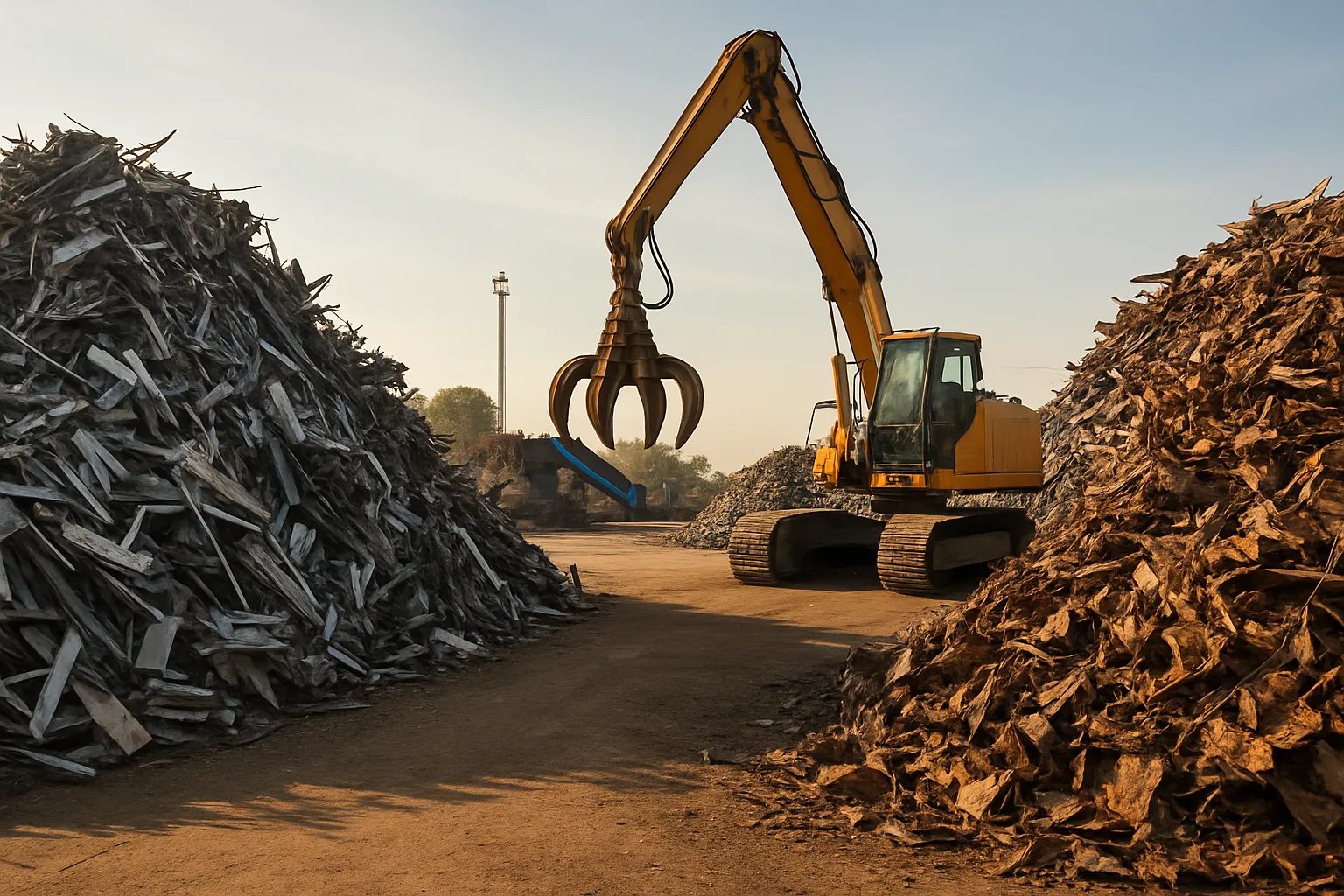
Most scrap sellers focus on copper or aluminum — but steel and iron are quietly moving serious weight at yards across North Carolina. The problem? A lot of sellers don't know the difference between the two, and that confusion costs real money at the scale.
If you've hauled a load to a Charlotte yard and walked away wondering why you got paid less than expected, this is probably why. Steel and iron look similar. They're both ferrous metals. But they price out differently, and knowing how to tell them apart — and which one you're holding — is the first step to find the best scrap metal prices today.
We'll break down the difference, explain what drives the price gap, and show you how to make sure you're getting a fair return on every load — whether you're selling a truckload or clearing out a shop floor.
Steel vs. Iron: What You're Actually Selling
Steel and cast iron are both iron-based alloys, but their composition — and their value — differs significantly. Steel is iron combined with carbon (typically under 2%), plus other alloys like manganese, chromium, or nickel. Cast iron has a higher carbon content (usually 2–4%) and is more brittle. That difference in chemistry matters to mills and foundries buying your scrap, which is why they don't pay the same rate.
Here's a quick breakdown of what each material typically looks like in the real world:
- Steel scrap: Auto body panels, structural beams, rebar, appliances, pipes, machinery frames
- Cast iron scrap: Engine blocks, brake rotors, cookware, old radiators, manhole covers, machine bases
- Wrought iron: Fencing, gates, ornamental pieces — less common but still collectible
The simplest field test: drop it. Cast iron breaks. Steel bends. Cast iron is also heavier for its size and tends to have a grayish, granular fracture surface when broken. Steel usually has a shinier, more uniform texture. Most yards in Charlotte will identify the material for you at drop-off, but if you're sorting at the source, knowing the difference upfront helps you load smarter and negotiate better.
Why the Price Difference Exists — and What Drives It
Steel scrap and cast iron scrap don't just look different — they feed different buyers. Steel goes primarily to electric arc furnace (EAF) mini-mills that melt it down for new structural steel. Cast iron goes to foundries making engine components, pipes, and industrial castings. Those end-markets have different demand cycles, which creates different price dynamics at your local yard.
In general, steel scrap — especially prepared steel (PS) and #1 heavy melt — carries a stronger baseline price. Cast iron tends to trade at a discount because it requires more processing and has fewer buyers actively competing for it. That said, when foundry demand spikes (say, automotive production ramps up), cast iron premiums can close the gap fast.
A few factors that move these prices on any given day:
- Mill demand: When domestic steel mills are running hot, HMS (heavy melt steel) prices rise. Slowdowns in construction or auto production cut demand fast.
- Export markets: Global demand from Asia and Europe affects what U.S. yards can get for ferrous loads. Port activity out of East Coast terminals matters here.
- Scrap grade and prep: A cleanly sorted, properly sized load gets a better price. Mixed or contaminated loads get docked — sometimes heavily.
- Freight costs: Scrap is heavy. Distance to the mill affects the net price your yard can offer you.
The key insight here: steel and iron prices aren't fixed. They move weekly, sometimes daily. That's why it matters to check current scrap metal prices before you pull up to a yard — not after.
Best Scrap Metal Prices Charlotte: How Local Yards Price Ferrous Metal
Charlotte sits in a strong position for ferrous scrap. The region has active industrial, construction, and manufacturing activity — which means both supply and demand are real. Yards in the Charlotte area serve regional mills and brokers, and competition among buyers can create meaningful price variation from yard to yard on the same grade of material.
That variation is the opportunity most sellers miss. If you call one yard and take their number as gospel, you've already left money on the table. The best scrap metal prices in Charlotte don't come from loyalty — they come from knowing what the market is actually doing and having more than one buyer in play.
If you're looking for Charlotte scrap metal services that give you real market data before you show up, that's where platforms like SMASH change the math. Instead of calling three yards and getting three different answers, SMASH puts your load in front of vetted buyers who compete for it. More buyers means better price discovery — that's not a pitch, it's just how markets work.
For ferrous loads specifically, here's what Charlotte yard buyers typically want before they quote you a solid number:
- Material type clearly identified (steel vs. cast iron vs. mixed)
- Weight estimate or scale ticket if available
- Condition — clean, prepared, or mixed/dirty
- Photos of the load if you're selling without a walk-through
- Any relevant documentation for commercial loads (BOLs, packing lists)
Aluminum Scrap Price Today — Don't Overlook Non-Ferrous on the Same Haul
Here's where sellers leave real money on the floor: they focus entirely on the steel or iron and forget that the same load often contains aluminum, copper, or catalytic converters that price out far higher per pound. If you're looking at the aluminum scrap price today, you already know aluminum isn't even close to steel on a per-pound basis — aluminum trades at multiples of what ferrous metal pays.
If your haul includes aluminum radiators, wiring, engine components, or alloy wheels mixed in with steel and iron, sort it before you drop it. Every pound of aluminum pulled out of a ferrous load and sold separately is money you're not leaving on the table. Same goes for copper — wire, pipe, motors — and especially catalytic converters.
Speaking of which: if you're pulling cats off vehicles before crushing, don't assume your local yard is your only option. The ability to sell catalytic converters online through a platform like smashscrap.com means your cats get in front of specialty buyers who actually compete for them — not just a single yard's posted rate. SMASH supports VIN lookup and serial tracking for cats, which gives buyers more confidence and can help you get a better return.
The broader point: when you're selling scrap metal for cash, sort aggressively. Steel in one pile. Cast iron in another. Non-ferrous pulled clean. Cats identified and documented. Every category you sell separately has the chance to clear a better price than if it all goes in as a mixed load.
How to Get the Best Scrap Metal Prices in North Carolina — Practically
Whether you're a yard operator moving volume or an individual seller clearing a property, the process is the same. Know your material, document it, and don't accept the first number you hear.
Here's the practical approach for getting best scrap metal prices North Carolina sellers can actually act on:
- Identify what you have. Steel, cast iron, aluminum, copper, cats — know your grades before you call anyone.
- Photograph everything. A photo of your load tells a buyer more than a verbal description and gives you documentation if there's a dispute.
- Get multiple quotes. Never sell on the first offer. Yard prices vary — sometimes by more than you'd expect on a large load.
- Check market pricing first. Read the latest scrap metal pricing guides before you negotiate. An informed seller gets a better deal.
- Use platforms that create competition. SMASH is built exactly for this — put your load in front of multiple vetted buyers and let price discovery do the work.
- Understand prep requirements. Clean, sized, and sorted material moves faster and prices better. Ask the yard what they need before you load.
The scrap metal near me for cash prices search that brings most sellers to a yard isn't wrong — proximity matters for large ferrous loads where freight eats into margin. But proximity shouldn't be your only filter. Price, buyer reliability, and speed of payment matter just as much.
Frequently Asked Questions
Q: What is the aluminum scrap price today in Charlotte?
Aluminum scrap prices fluctuate daily based on commodity markets, grade, and local demand. Common grades like cast aluminum, aluminum radiators, and extruded aluminum all carry different rates. Check current pricing through a live market tool or contact a vetted buyer platform like SMASH for real-time quotes — posted prices can lag what buyers are actually paying.
Q: Is cast iron worth more or less than steel scrap?
Generally, clean steel scrap (especially heavy melt or prepared steel) prices higher than cast iron at most North American yards. Cast iron has fewer active buyers and requires more processing. That said, prices shift — and a large, clean cast iron load will always beat a contaminated steel load on actual payout.
Q: How do I get the best scrap metal prices in Charlotte?
Sort your material by type, photograph your load, and get quotes from more than one buyer before you commit. Platforms like SMASH put your load in front of multiple vetted buyers who compete — that competition tends to surface better pricing than a single yard quote. Know your grades before you call.
Q: Can I sell catalytic converters online instead of at a local yard?
Yes — and for most sellers, online platforms that specialize in cats return more than local yard posted rates. SMASH supports VIN lookup and serial tracking on catalytic converters, which gives specialty buyers confidence and helps establish accurate value. If you're moving volume, online is worth the comparison.
Q: What's the difference between HMS and cast iron when selling scrap?
HMS stands for Heavy Melt Steel — a common ferrous scrap grade covering thick steel plate and structural pieces over a certain thickness. Cast iron is a separate category entirely, sold to foundries rather than steel mills. If you mix them in the same load without declaring it, you'll likely get the lower of the two prices applied across the board. Sort them separately for best results.
Scrap prices move fast — especially on ferrous material where mill demand and export conditions can shift the market week to week. Before your next haul, find the best scrap metal prices today at best-scrap-prices.com, so you walk into every transaction knowing what the market is actually doing — not just what one buyer wants you to think it's doing.
Follow SMASH on LinkedIn at linkedin.com/company/scrap-metal-auction-sales-hub for ongoing market updates, pricing insights, and scrap industry news you can actually use.
Disclaimer: Scrap metal prices fluctuate based on market conditions, material grade, and buyer demand. All pricing references in this article are general and informational only. Always verify current rates directly with buyers or through a live pricing platform before making selling decisions.