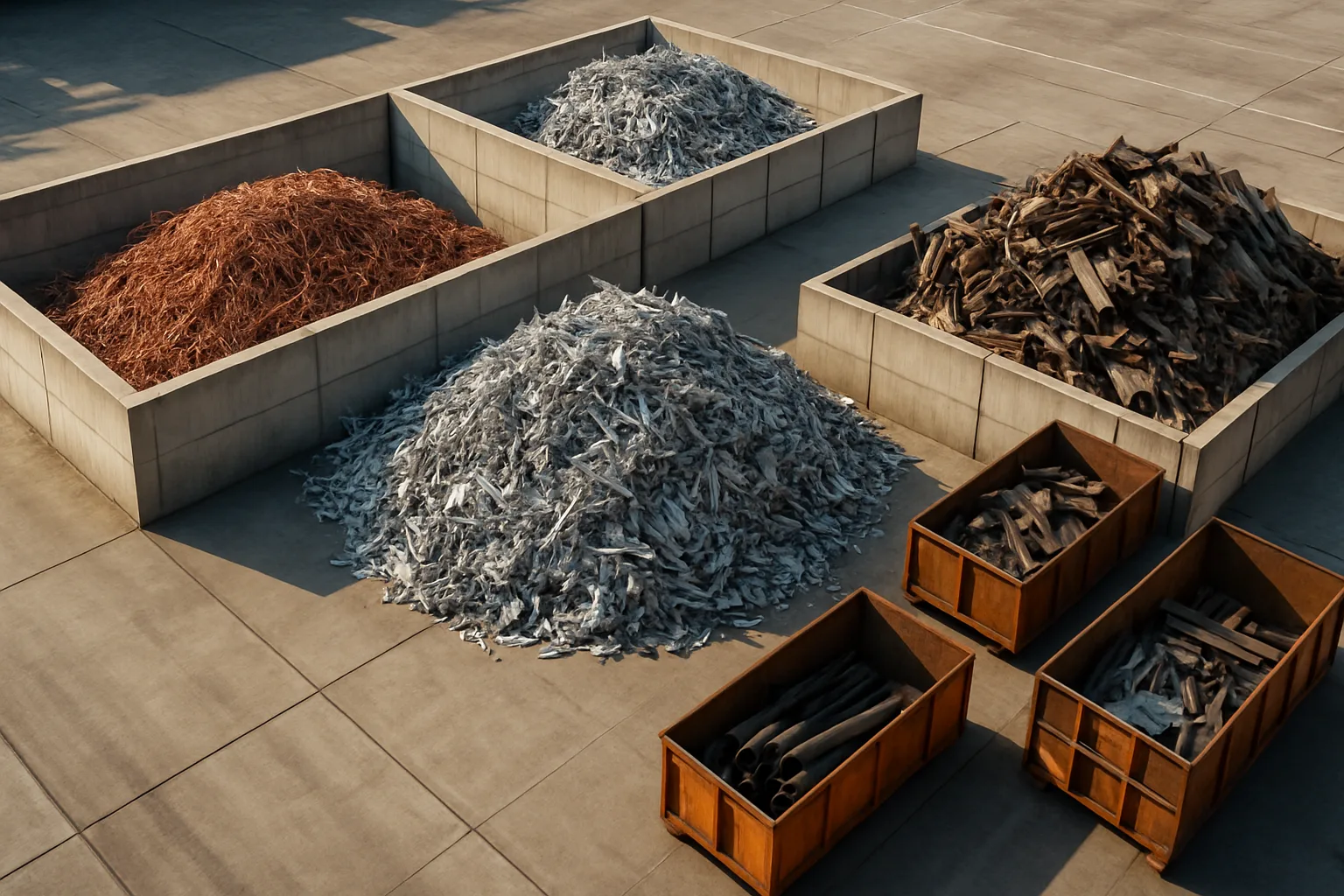
Small-Scale Scrap Collectors: How to Stop Leaving Money on the Table
Most small-scale scrap collectors underestimate what they're sitting on. A pickup bed full of mixed metal, a handful of catalytic converters, or a pile of stripped copper wire — that load is worth more than a single phone call to one yard will ever reveal. The problem isn't the scrap. It's the process.
If you're collecting on your own — clearing job sites, pulling metals from old appliances, or running a side hustle stripping wire — your margin lives or dies on two things: what you bring in, and where you sell it. This guide breaks down how to do both smarter. Whether you're hauling loads in Atlanta or working yards across Georgia, the same principles apply.
Before we get into tactics, one thing to understand up front: a B2B scrap metal marketplace isn't just for large recyclers. It's becoming one of the most practical tools a small collector can use to get better pricing and stop guessing what their load is worth.
Know What You Have Before You Pull Up to the Yard
Showing up to a scrap yard without knowing your material grades is like walking into a negotiation blindfolded. Yards aren't obligated to educate you — and some won't. The more you know about what's in your load, the harder it is for anyone to lowball you on it.
Here's a quick breakdown of what small collectors are typically working with and why grade matters:
- Copper: Bare bright copper commands the highest price. Insulated wire, #1 copper, and #2 copper all trade at different rates. Stripping wire before you sell is almost always worth the time.
- Aluminum: Cast aluminum, extrusions, and mixed aluminum all price differently. Keeping them separated prevents yards from bundling everything at the lowest tier.
- Steel and iron: Low value per pound, but high volume. Knowing the difference between HMS (heavy melting steel) and light iron matters when you're moving large quantities.
- Catalytic converters: This is where small collectors often leave serious money behind. A single cat can range significantly in value depending on the make, model, and PGM (platinum group metal) content. Never sell a cat without knowing what it's worth — and never assume one yard's quote is the market.
Documenting your material before you go — photos, rough weights, and a basic inventory — gives you something to work with. It also positions you better if you're using a B2B scrap metal marketplace to get competing bids rather than settling for one walk-in quote.
Sort, Separate, and Stage Your Load for Maximum Value
Mixed loads get mixed prices. That's the rule. Yards will always price a commingled load to the lowest-value material in it, because sorting is labor for them. You do the sorting, you capture that value.
For small collectors, a few hours of separation work before a sale can measurably shift your payout. Here's what that looks like in practice:
- Strip your copper wire. Insulated wire pays a fraction of bare bright. A wire stripper pays for itself fast.
- Pull the steel from your aluminum. A magnet is your best friend here. Anything that sticks is ferrous. Everything else is non-ferrous — treat it accordingly.
- Keep your cats separate. Never throw catalytic converters into a general pile. They need to be identified individually. VIN lookups and serial tracking tools — the kind built into platforms like SMASH — exist specifically to help you know what each one is worth before you accept a single offer.
- Clean your materials where possible. Brass with attached steel, aluminum with plastic — these get docked. A few minutes of cleaning per piece adds up across a full load.
- Weigh before you go. Know your approximate weights by material category. Cross-reference when you get to the yard. Mistakes happen — and sometimes they're not mistakes.
Staging a clean, sorted load also changes how a buyer perceives you. You're not a random walk-in. You're someone who shows up prepared, and that matters in any negotiation. If you want to find the best scrap metal prices today, the foundation is always the quality and presentation of your load.
Stop Calling One Buyer — Use Competition to Reveal the Market
Here's the core problem with the traditional small-collector approach: you call one yard, they quote you, you drive over. That quote is that yard's offer. It reflects their margin, their current inventory, and whatever they feel like paying that day. It has nothing to do with what the market actually says your load is worth.
Competition changes that equation entirely. More buyers bidding on the same load means better price discovery. That's not a marketing line — it's basic economics. A B2B scrap metal marketplace creates that competition by putting your load in front of vetted buyers who are actively looking for material.
Platforms like find the best price for your scrap on SMASH are built exactly for this. You document your load, it goes to auction, and buyers compete. You see real offers. You don't have to guess whether you got a fair deal — you see the market respond. For collectors running catalytic converters specifically, this matters enormously. A catalytic converter auction format means your cats don't get buried in a mixed load quote. Each unit gets priced based on what buyers actually want to pay for it.
If you're working in the Atlanta area and selling scrap to a single yard by habit, it's worth asking whether that habit is costing you money. The yards in and around Atlanta are competitive, and the spread between a single quote and a market-tested price can be significant — especially on non-ferrous and cats.
Track Your Loads Like a Business, Not a Hobby
Small collectors who treat their operation like a business — even a small one — consistently outperform those who wing it. That doesn't mean complicated systems. It means basic discipline around documentation, pricing history, and load records.
Why does this matter for pricing?
- You can identify which material types are most profitable per hour of collection time. Copper at current market rates yields far more per pound than steel. If your time is limited, that math should direct where you focus.
- You can track price trends and time your sales better. Metal prices fluctuate — sometimes significantly week to week. If you're holding non-ferrous and you see copper climbing, waiting a few days can pay off. Watching the market is only possible if you're tracking it.
- You build a paper trail that protects you. Photo documentation, weight records, and BOLs matter in disputes. They also make it easier to work with platforms and buyers who require documentation — which is increasingly all of them.
For collectors doing business in scrap metal recycling Georgia markets, documentation also helps with compliance. Regulations around catalytic converters and certain metals have tightened across the state, and having clean records keeps you out of problems. You can read the latest scrap metal pricing guides to stay current on what documentation best practices look like in 2026.
Catalytic Converters Deserve Their Own Strategy
If you're collecting cats, treat them differently than everything else in your load. Full stop. The PGM content in a catalytic converter — platinum, palladium, rhodium — drives the price, and that content varies widely by vehicle type, engine size, and manufacturer. A cat off a diesel pickup and a cat off a compact hybrid are not the same thing, and they should never be priced the same way.
Here's what smart collectors do with cats:
- Identify before you sell. VIN lookup tools and serial number tracking exist to help you know what you have. Use them. Don't accept a blanket per-unit price when individual identification can reveal significantly higher value on specific units.
- Never sell them in a mixed load. Yards will bundle them at the lowest common denominator. Separate cats, sell cats separately — ideally through a catalytic converter auction where buyers are competing specifically on that material.
- Watch PGM prices. Palladium and rhodium prices move. If you're sitting on a batch of cats, a week can make a difference. Track the market the same way a scrap yard does.
- Vet your buyers. The cat market has attracted questionable actors over the years. Selling through vetted channels — platforms like SMASH use buyer vetting as a baseline — means you're not just chasing price but also protecting yourself.
If you're in Atlanta and regularly pulling cats off vehicles, this single category might represent more upside than everything else in your load combined. Treat it accordingly. Good Atlanta scrap metal services can help you understand what the local market looks like and point you toward buyers who are actively competing for this material.
Timing, Relationships, and the Long Game
Price is not the only variable in scrap selling — but for small collectors, it's usually the most important one. Getting the price right consistently requires two things: market awareness and reliable access to competition.
Market awareness means watching copper, aluminum, and steel price trends week to week. It means knowing that economic conditions, manufacturing demand, and global trade flows all affect what a yard pays today versus what they paid last month. Metal prices fluctuate — sometimes sharply — so checking current rates regularly is not optional. It's how you time your sales intelligently. Check current scrap metal prices before you move a load, not after.
Access to competition means not relying on a single relationship with a single buyer. Relationships matter in this industry — a yard that knows you will often treat you better than a cold walk-in. But relationship comfort shouldn't cost you price. Using a B2B scrap metal marketplace doesn't mean abandoning relationships. It means having a benchmark so you know when your preferred buyer is being fair and when they're not.
For small collectors across Georgia — and for anyone selling scrap metal in Atlanta — building a sustainable operation means combining both: know the market, use competition, document everything, and sell through channels where buyers have to compete for your material. That's how small operations grow. That's how you stop guessing and start getting paid what your load is actually worth.
Ready to stop settling for the first number you hear? Get the best scrap metal prices — check rates at best-scrap-prices.com and see what your load is really worth before your next sale.
Frequently Asked Questions
Q: What is a B2B scrap metal marketplace and can small collectors use it?
A B2B scrap metal marketplace is a platform where sellers list their scrap loads and vetted buyers compete to purchase them. Yes, small collectors can use them — you don't need to be a large recycling operation. Platforms like SMASH are designed to create competition on any qualifying load, which helps smaller sellers get market-tested pricing instead of a single yard's quote.
Q: How do I get the best price when I sell scrap metal in Atlanta?
The best approach is to sort your load by material type, document it with photos and weights, and get more than one offer before you commit. Atlanta has a competitive scrap market, but walking in with a mixed unsorted load to a single yard almost always leaves money behind. Using a marketplace that puts your load in front of multiple buyers gives you a real price comparison.
Q: What's the best way to price catalytic converters before selling?
Identify each cat individually using VIN lookup or serial number tracking tools — don't accept a blanket per-unit price. Catalytic converter values vary significantly based on vehicle make, model, and PGM content. Selling through a catalytic converter auction format, where buyers compete on specific units, typically produces better outcomes than lumping them into a general load.
Q: Are scrap metal prices different in Georgia than in other states?
Scrap metal prices are influenced by local supply, demand, and the number of active buyers in a region, so yes — prices can vary by market. The underlying commodity prices for copper, aluminum, and steel are set globally, but what a yard actually pays reflects their local margin and competition. More buyer competition in your area generally means better prices for sellers.
Q: Do I need to document my scrap loads legally in Georgia?
Georgia has regulations around the purchase and sale of certain scrap materials — particularly catalytic converters and regulated metals — that require identification and documentation at point of sale. Requirements can change, so check current state and local regulations before you sell. Keeping photo records, weight logs, and transaction receipts protects you regardless of what's legally required.
Stay ahead of the scrap metal market — follow SMASH on LinkedIn for industry updates, pricing insights, and tips for getting the most out of every load you sell.